Definition and Meaning
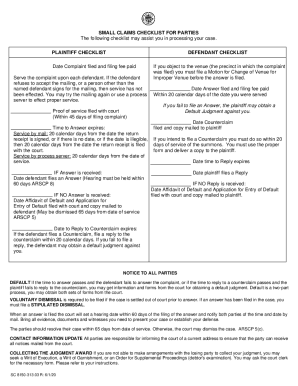
The "QCAT Minor Civil Dispute" refers to a legal process within the Queensland Civil and Administrative Tribunal aimed at resolving minor civil disputes. This includes disputes related to minor debts, consumer or trader issues, dividing fences, property damage, and residential tenancy matters, where the claim amount typically does not exceed a specific monetary limit. QCAT provides a simplified, accessible forum for these disputes, allowing parties to resolve conflicts without the complexities of traditional courtroom procedures.
Steps to Complete the QCAT Minor Civil Dispute
- Download Form 3: Begin by downloading Form 3, the specific document required to file a minor civil dispute application with QCAT.
- Gather Required Information: Collect details about both parties involved, including names, addresses, and contact information. Ensure accuracy to avoid delays.
- Precisely Outline the Claim: Clearly articulate the nature of the dispute and the specific remedy sought. Include amounts claimed, interest calculations, and pertinent dates.
- Prepare Supporting Documents: Attach necessary supporting documents, such as receipts, contracts, and correspondence, to substantiate your claim.
- Submission Options: Submit the completed form and attachments as per the preferred method — online, via mail, or in person at a QCAT service counter.
- Await Processing and Notification: Once submitted, QCAT will process your application and issue notifications regarding the next steps or required actions.
Important Terms Related to QCAT Minor Civil Dispute
- Applicant: The individual or entity initiating the dispute claim in the QCAT process.
- Respondent: The party against whom the claim is made.
- Claim Amount: The financial sum being sought in the dispute, exclusive of interest and costs.
- Supporting Documents: Evidence provided to support the claim, including any contracts, communications, or financial transactions.
- Hearing: A formal meeting conducted by QCAT where both parties present their evidence and arguments.
Legal Use of the QCAT Minor Civil Dispute
The QCAT minor civil dispute mechanism serves as an alternative to the conventional court system, offering a less formal and more expedient process to resolve disputes. The tribunal adjudicates claims involving small sums and practical issues such as tenancy agreements, consumer rights obligations, and neighborhood disputes, ensuring that legal recourse is accessible and efficient for all parties. The decisions rendered by QCAT are legally binding, providing enforceable outcomes while minimizing legal costs.
Required Documents
When filing a dispute with QCAT, ensure the application is accompanied by the required documentation:
- Completed Form 3
- Any relevant contracts or agreements
- Correspondences between parties outlining the dispute
- Financial records, receipts, or proof of payment related to the claim
- Any visual media, e.g., photographs or videos, if relevant to the dispute
Who Typically Uses the QCAT Minor Civil Dispute
The process is primarily used by individuals, small businesses, landlords, and tenants in Queensland seeking resolution for disputes that involve modest financial amounts. It is ideal for those without extensive legal representation due to its streamlined process. Traders and consumers seeking mediation over goods and services also frequently engage QCAT for its accessible and expedited resolutions.


Filing Deadlines / Important Dates
Submission timelines for QCAT disputes are critical. Generally, applications must be lodged within a specific period from when the cause for the claim arose, often within six months. Familiarizing yourself with these deadlines is essential to ensure your dispute is heard. QCAT provides published schedules and filing deadlines to guide applicants, emphasizing timely filing to avoid forfeiting the right to claim.
State-Specific Rules for the QCAT Minor Civil Dispute
While QCAT operates within Queensland, it follows specific state guidelines and regulations. This localization ensures the tribunal adheres to Queensland’s legislative framework and reflects the regional context, economic environment, and community standards. Applicants and respondents should understand these nuances as state-specific rules may affect claim parameters, processes, and potential resolutions. Always verify current practices and applicable fees within the state context.