





Definition and Meaning of Form Online
Online forms serve as digital documents that can be accessed and completed via the internet, providing a modern alternative to traditional paper forms. These forms are integral for various processes, including applications, surveys, registrations, and transactions, across a multitude of sectors like education, healthcare, and business. In the context of DocHub, form online refers to the creation, management, and manipulation of such forms through an integrated platform, ensuring efficiency and broad accessibility. Online forms eliminate the need for physical paperwork, streamlining data collection and processing by centralizing the information in a secure, cloud-based environment.
How to Use the Form Online
To effectively utilize forms online, a structured approach is necessary. First, access the desired form via your preferred web browser, ensuring compatibility with the platform. Users are encouraged to review all sections before beginning to fill out the form, as each field may carry specific instructions or required information. Many online forms include fillable fields such as text boxes, checkboxes, and dropdown menus, guiding users through the submission process.
- For mandatory fields, ensure all details are accurately provided.
- Verify optional fields and assess their relevance to your context; complete these if beneficial.
- Once all sections are filled, review the form for accuracy and completeness before submission.
- Forms often feature a preview or print option, allowing for review or hard-copy storage.
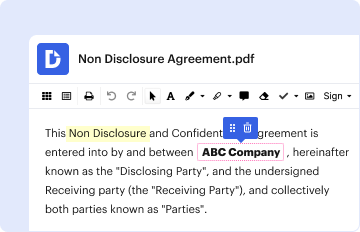
In platforms like DocHub, you can save your progress and return later to complete unfinished sections, providing flexibility for complex or detailed forms.
Steps to Complete the Form Online
Completing an online form comprehensively involves several clear steps:
- Access the Form: Navigate to the platform hosting the form online, such as DocHub, using a secure web browser.
- Familiarize Yourself: Read through all form instructions before starting, noting any requirements or deadlines.
- Fill in Required Fields: Enter information into specified sections, ensuring data accuracy and adherence to format guidelines.
- Add Attachments: Upload any necessary documents if the form requires supporting materials or validation.
- Review for Errors: Before submission, review all entries to ensure completeness with no typographical errors.
- Submit or Save: Choose to submit the form if complete or save progress for later completion.
Adherence to these steps ensures a smooth, error-free completion process, reducing instances of rejected or incomplete submissions.
Key Elements of the Form Online
Understanding the primary elements in online forms aids in efficient handling and processing:
- User Interface: Online forms should have an intuitive design, allowing users to navigate and complete sections effortlessly.
- Field Types: Common elements include text boxes for input, dropdowns for options, radio buttons for single selections, and checkboxes for multiple selections.
- Validation Checks: Forms may incorporate real-time validation to prompt users about errors or missing information.
- Submission Button: A clearly labeled button typically finalizes the submission process.
- Confirmation Message: Post-submission messages often confirm receipt and may provide a summary or reference number.
Knowing these key elements helps users anticipate the form's structure and functionalities, leading to a more streamlined completion experience.
Legal Use of the Form Online
Forms online encompass various legal uses, governed by compliance and security standards. Platforms like DocHub offer features ensuring that electronic submissions meet legal requirements, such as the ESIGN Act for validating digital signatures. Forms executed online can be legally binding when proper procedures are followed:
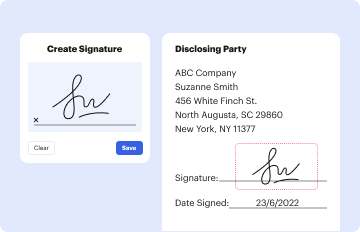
- Signature Authentication: Digital signatures should be securely linked to signers, using tools that capture biometric data or verified identifiers.
- Data Protection: Compliance with data protection laws, including enacting data encryption and secure access protocols.
- Standard Compliance: Forms must adhere to legislative requirements pertinent to their context, such as tax filings needing adherence to IRS guidelines.
Ensuring the legal credibility of form usage online is paramount for businesses and individuals managing sensitive or official transactions.
Required Documents for Completing Forms Online
Completing forms online often necessitates the submission of pertinent documents, depending on the form's context:
- Identification Evidence: Copies of a driver’s license, passport, or social security card.
- Financial Records: Tax returns, pay stubs, or bank statements.
- Proof of Address: Utility bills or rental agreements demonstrating residence.
- Academic Records: Transcripts or diplomas for educational applications.
Gathering necessary documents ahead of time facilitates quicker form completion, minimizing interruptions during the submission process.
Software Compatibility with Online Forms
Compatibility with various software solutions enhances the functionality of online forms. Platforms like DocHub facilitate integration with widely used applications and cloud services:
- Google Workspace, including Google Drive and Gmail, for seamless file transitions and email correspondence.
- Microsoft Office Suite, supporting DOC, XLS, and PPT formats directly.
- File Storage Services: Sync with Dropbox and OneDrive for centralized file management.
Ensuring compatibility with productivity tools allows users to leverage existing workflows while completing forms efficiently.
Examples of Using the Form Online
Online forms have myriad uses across diverse applications:
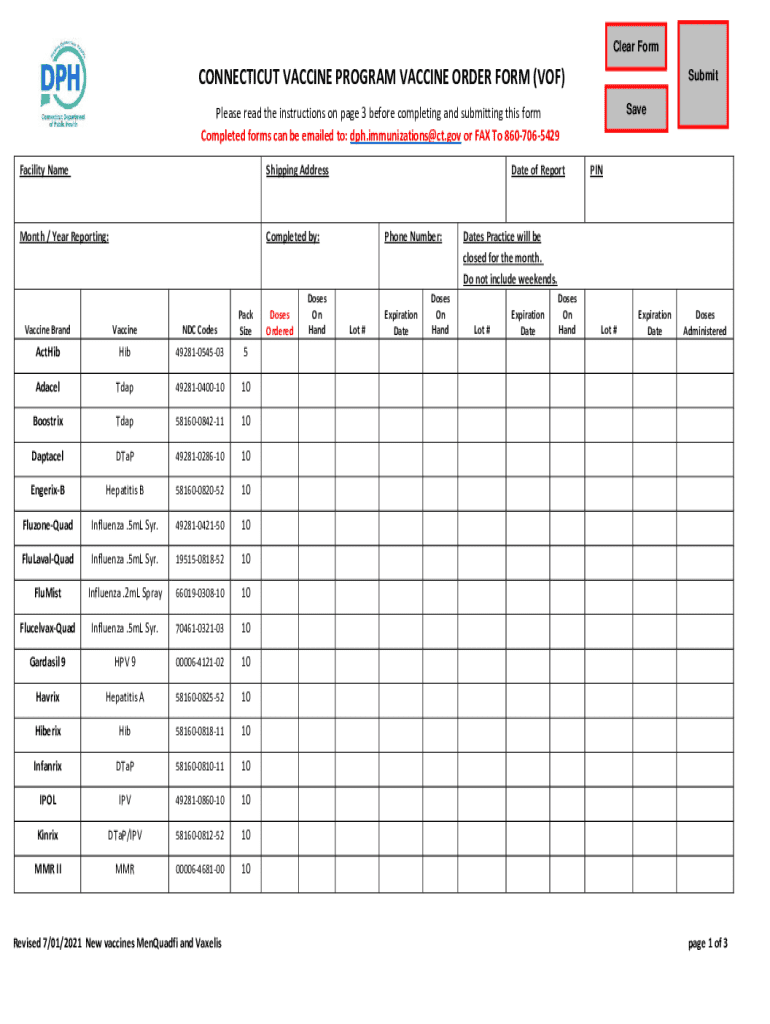
- Vaccine Order Forms: Such as the Vaccine Order Form (VOF) for the Connecticut Vaccine Program, allowing healthcare facilities to manage vaccine inventories.
- Tax Forms: Integration with tax preparation platforms to submit forms like W-9 electronically.
- Job Applications: Streamlined candidate information collection via standardized forms hosted on company portals.
These examples illustrate how online forms optimize efficiencies across different domains, revolutionizing traditional processes.