






Defining Melodic Expectancy: Pitch and Temporal Manipulations
Melodic expectancy pertains to the anticipated continuation of a musical sequence. It is influenced by factors such as pitch and temporal dynamics. In the context of pitch, this involves how notes ascend or descend, contributing to the overall flow and anticipation of the melody. Temporal manipulations refer to the rhythm and timing of notes, which create a sense of movement and pause within the music. Understanding these components is essential for comprehending how listeners predict and perceive musical progressions.
The Role of Pitch in Musical Perception
Pitch, or the perceived frequency of a sound, plays a vital role in shaping melodic expectations. In music, pitch influences how melodies are structured and how they interact with listener expectations. When a melody climbs in pitch, listeners might anticipate a certain resolution based on musical conventions and personal experience. This aspect of music significantly impacts emotional response and cognitive processing, influencing how melodies are remembered and interpreted.
Tonal Hierarchies
Tonal hierarchies are intrinsic frameworks that help in organizing pitches within a scale. These hierarchies determine which tones are perceived as stable or unstable, guiding expectations regarding melodic progression. For instance, in Western music, the tonic serves as the most stable note, around which other pitches arrange themselves hierarchically.
Temporal Manipulations and Metric Hierarchies
Temporal manipulations involve the organization of time in music, contributing to the rhythm and pace of a melody. Metric hierarchies play a critical role in how rhythms are understood, often dictating the strong and weak beats within a phrase. Variations in tempo and rhythm can enhance or disrupt listener expectations, creating tension or resolution.
Impact on Listener Anticipation
Changes in rhythm and tempo can either align with or contradict listener expectations, impacting how a melody is perceived. Familiar rhythmic patterns tend to generate predictable anticipations, while unexpected variations may create surprise or intrigue, influencing how music is experienced emotionally.
Psychological Study Insights
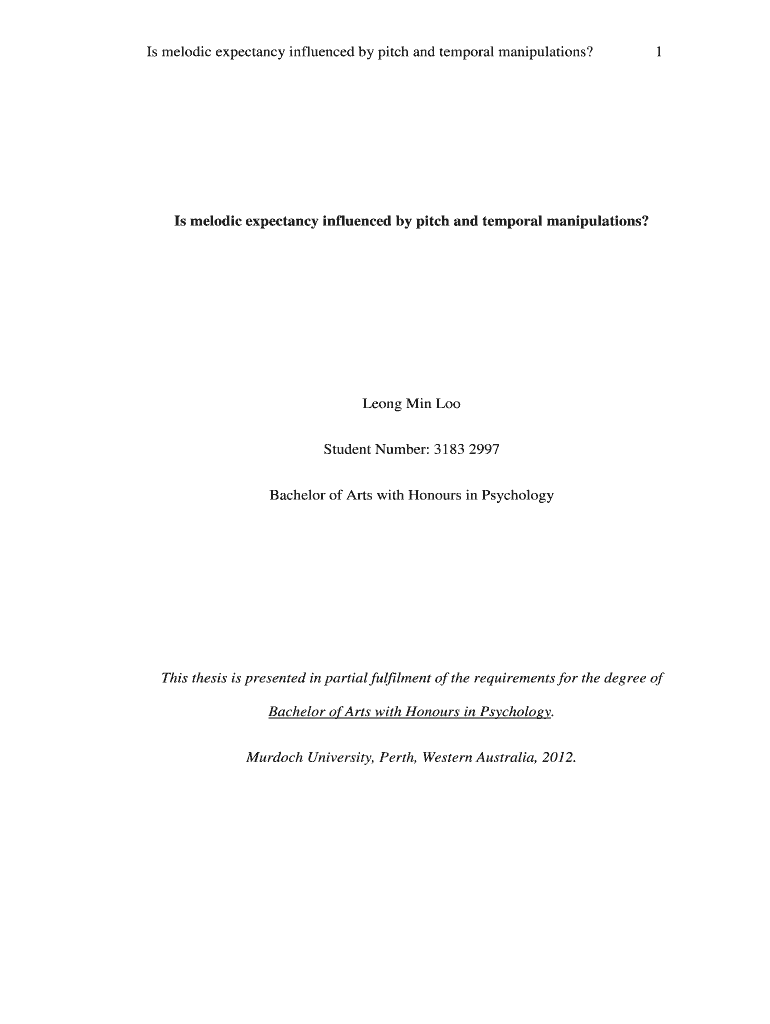
The thesis by Leong Min Loo examines the influence of pitch and temporal manipulations on melodic expectancy, revealing how these factors shape musical perception. Through research involving participants rating melodies under varying conditions, the study highlights the complex interaction between pitch and time, emphasizing the importance of both in forming musical expectations.
Importance of Organizational Frameworks Over Surface Structures
Listeners rely on deep-seated organizational frameworks rather than surface-level features to form melodic expectations. These frameworks include tonal and metric hierarchies, which provide a structured approach to predict musical sequences. The cognitive reliance on these frameworks demonstrates the intricacies involved in musical understanding and appreciation.
Collecting Melodic Expectancy Data
The study's methodology involved participants listening to melody variations with pitch and temporal adjustments. These conditions aimed to measure how attention to different musical elements affected expectancy ratings. Such research methods highlight the importance of controlled environments in music perception studies, allowing for precise tracking of listener responses to specific musical cues.
Examples of Pitch and Temporal Manipulations in Practice
Utilizing pitch and temporal manipulations can have significant effects in various musical genres. For example, jazz often employs complex temporal variations and unexpected pitch shifts, creating distinctive and engaging listening experiences. In classical music, composers might use anticipated cadences to fulfill listener expectations, demonstrating the interplay between predictability and surprise.
Advantages of Understanding Melodic Expectancy
For musicians, composers, and music educators, understanding melodic expectancy can enhance the creation and teaching of music. By acknowledging how listeners anticipate melodic sequences, professionals can craft more engaging and emotionally impactful music. Additionally, this knowledge aids in music therapy, where predictable patterns can be used therapeutically to induce relaxation or stimulate cognitive processing.
Educational Implications
Music education benefits from incorporating the principles of melodic expectancy, aiding students in comprehending the emotional and cognitive effects of music. Such insights encourage a deeper exploration of music theory and practice, fostering a comprehensive understanding of how music communicates across different contexts.