Freedom of Information Decision 2025

Get Form
Freedom of Information Decision Preview on Page 1

Here's how it works

01. Edit your form online
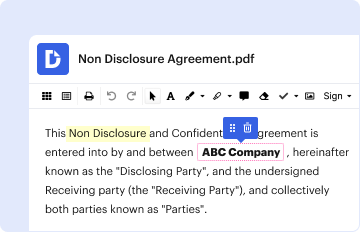
Type text, add images, blackout confidential details, add comments, highlights and more.
02. Sign it in a few clicks
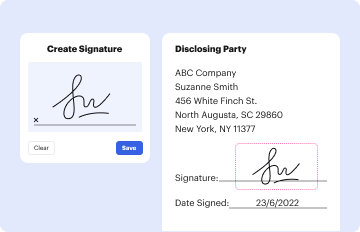
Draw your signature, type it, upload its image, or use your mobile device as a signature pad.
03. Share your form with others
Send it via email, link, or fax. You can also download it, export it or print it out.

How to use or fill out Freedom of Information Decision with our platform

Form edit decoration
9.5
Ease of Setup
DocHub User Ratings on G2
9.0
Ease of Use
DocHub User Ratings on G2
  1. Click ‘Get Form’ to open the Freedom of Information Decision document in the editor.
  2. Begin by reviewing the sections that outline the decision and reasons for the decision. Familiarize yourself with terms like 'personal information' and 'non-personal information' as they are crucial for understanding your rights.
  3. Fill in your personal details in the designated fields, ensuring accuracy to avoid any delays in processing your request.
  4. In the section regarding requested documents, clearly specify what documents you seek access to, referencing dates and types of documents as outlined in your application.
  5. If applicable, include any third-party authorizations necessary for accessing non-personal information related to your request.
  6. Review all entries for completeness and clarity before submitting. Utilize our platform’s features to save your progress or make edits as needed.

Start using our platform today to streamline your Freedom of Information requests for free!

be ready to get more

Complete this form in 5 minutes or less

Get form

Got questions?

We have answers to the most popular questions from our customers. If you can't find an answer to your question, please contact us.
Contact us
Information/data that is NOT covered by the Freedom of Information Act (FOIA) includes: Non-agency records and personal records. Public requests for access to physical artifacts or scientific samples (e.g. core samples, sediment, rocks, fossils, specimen samples, blood samples).
The FOIA Improvement Act of 2016 codified the Rule of 3 for posting frequently requested records. Agencies shall make available for public inspection in an electronic format copies of all recordsthat have been requested 3 or more times.
FOIA Exemptions. The exemptions protect against the disclosure of information that would harm: national security, the privacy of individuals, the proprietary interests of business, the functioning of the government, and other important recognized interests.
The Freedom of Information Act (FOIA) gives any person the right to request access to records of the Executive Branch of the United States Government. The records requested must be disclosed unless they are protected by one or more of the exempt categories of information found in the FOIA.
There are four basic elements to a FOIA request letter: The letter should state that the request is being made under the Freedom of Information Act. The letter should identify the records that are being sought as specifically as possible. The name and address of the requester must be included.
be ready to get more

Complete this form in 5 minutes or less

Get form

People also ask

The Freedom of Information Act (FOIA) is a federal statute that allows any person to request access to federal agency records, except to the extent records are exempt from the Acts disclosure requirements under one or more of the nine (9) exemptions of the Freedom of Information Act.

Related links