






Definition & Meaning
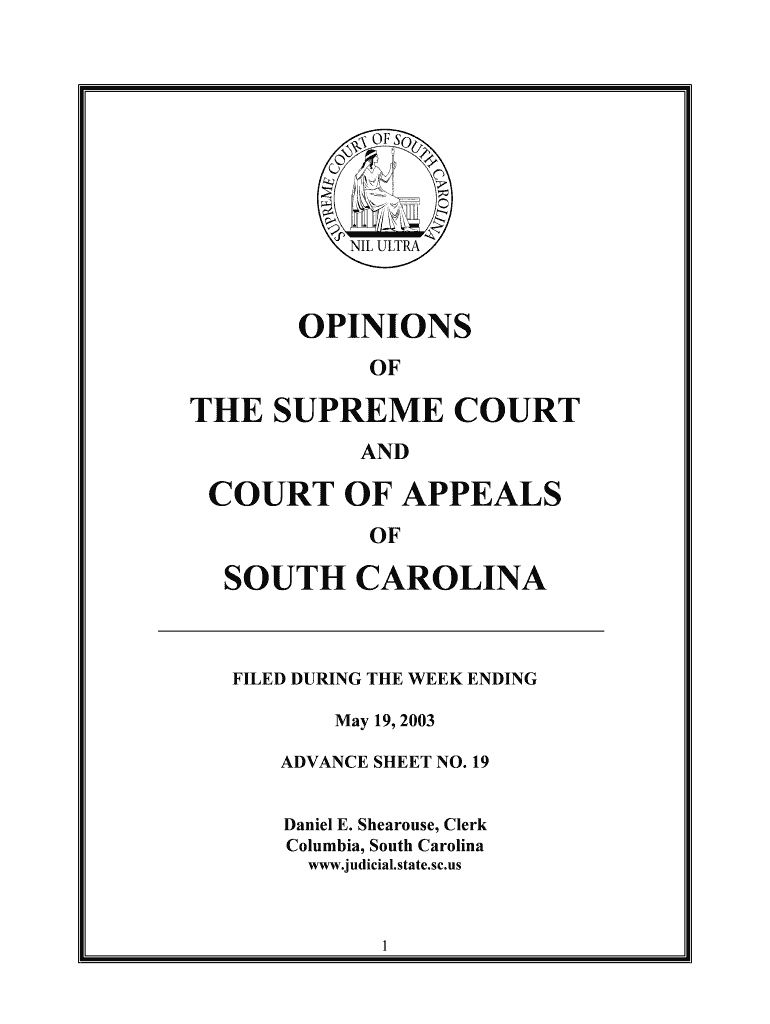
The Columbia, South Carolina - South Carolina Judicial Department is an integral part of the judicial system, responsible for interpreting state laws and ensuring justice. This department encompasses major courts such as the Supreme Court and the Court of Appeals, which handle significant cases within the state. The judicial state of South Carolina plays a crucial role in upholding legal standards and distributing justice fairly, interpreting the laws through a well-structured legal framework based in Columbia.
Key Functions and Roles
- Court System Structure: The judicial department includes various levels of courts, each tasked with specific types of cases, from minor legal disputes to major constitutional questions.
- Jurisdictional Authority: It has jurisdiction to hear appeals and make decisions on important cases that affect citizens, businesses, and the state government.
- Legal Interpretation: Its role involves interpreting and applying laws, guiding the judicial process in South Carolina.
Important Terms Related to the Judicial System
Understanding certain key terms within the South Carolina Judicial Department enhances clarity when navigating judicial processes.
Common Terminology
- Appeals: A process by which decisions from lower courts can be reviewed by higher courts.
- Disbarment: An action taken against attorneys who fail to adhere to professional conduct, resulting in the loss of the right to practice law.
- Jurisdiction: The authority given to the court to hear cases and make decisions.
How to Use the Judicial System
Interacting with the South Carolina Judicial Department involves several processes, whether it’s for filing cases or seeking information.
Practical Application
- Filing Cases: Individuals or businesses can file cases by submitting the required documentation to the appropriate court.
- Access to Opinions: Past opinions and orders issued by the courts are available for public access, providing valuable legal precedents.
- Judicial Rulings: Understanding how to interpret court rulings can guide legal actions and compliance.
How to Obtain Court Documents
Accessing documents within the South Carolina Judicial Department is facilitated by specific procedures designed to maintain an organized legal process.
Process Overview
- Online Searches: Many documents, including opinions and orders, can be accessed online through the department’s official portal.
- Request Protocol: Requests for physical copies of documents may require formal application or visiting the courthouse.
- Tracking: Digital systems allow tracking the status of pending requests or ongoing cases.
Steps to Complete Processes
Engaging with the judicial system involves a clear understanding of procedural standards to ensure compliance and efficacy.
Step-by-Step Guidance
- Initial Inquiry: Start by understanding the nature of your legal issue or requirement.
- Documentation Preparation: Gather all necessary documents, following guidelines for specific form submissions.
- Form Submission: Submit forms through designated channels as applicable—either online, by mail, or in person.
Legal Use and Compliance
Abiding by rules within the judicial framework ensures legitimacy and accountability.
Legal Framework
- Understanding Regulations: Familiarity with state-specific legal requirements is crucial for compliance.
- Professional Conduct: Adherence to professional standards by legal practitioners is mandatory.
- Formal Appeals: Ensure all appeal processes are in line with procedural requirements to avoid dismissals or rejections.
State-Specific Rules for South Carolina
South Carolina's legal processes and requirements may differ from other states, necessitating specific compliance criteria.
Unique Regulations
- Jurisdiction-Specific Protocols: Certain procedures and laws might be unique to South Carolina.
- Legal Documentation: Verification of document requirements specific to South Carolina’s courts to ensure legality.
Examples of Judicial Cases
Illustrations of legal cases handled by the South Carolina Judicial Department provide insight into its operations and decisions.
Case Study Insights
- M.B. Kahn Construction Co., Inc. v. Three Rivers Bank & Trust Co.: A case discussing personal jurisdiction in construction disputes.
- James W. Breeden, Jr. v. TCW, Inc.: Focuses on workers' compensation claims, showcasing the judicial department's role in resolving such disputes.
These blocks cover key aspects of the Columbia, South Carolina - South Carolina Judicial Department, offering a comprehensive understanding of its roles, processes, and legal implications.