




Definition and Meaning of Authorization to Release Information
An "Authorization to Release Information" form is a legal document that gives permission for certain information to be shared with third parties. It typically pertains to sensitive or confidential information and allows individuals or entities to disclose specific details as permitted by the form's signer. These forms are essential across various sectors, such as healthcare, law enforcement, finance, and employment, where legal and ethical guidelines necessitate explicit consent for information sharing. Notably, the form's scope is defined within its clauses, specifying what information can be released and to whom.
Purpose in Different Contexts
- Healthcare: Patients grant permission to disclose medical records to other healthcare providers or insurers.
- Law Enforcement: Officers allow the disclosure of training, certification, and disciplinary records.
- Employment: Employees agree to share background check results with prospective employers.
Legal Framework and Compliance
The authorization form must comply with applicable federal and state laws, such as the Health Insurance Portability and Accountability Act (HIPAA) for medical information or privacy laws governing personal data. The integrity of this document ensures that information is shared legally and ethically, protecting both the provider and the recipient from potential legal consequences.
Key Elements of the Authorization to Release Information
The effectiveness of the Authorization to Release Information largely depends on its specific components. Each segment must be carefully crafted to ensure comprehensive and clear consent from the signer. Here are the critical elements that these forms typically include:
Identification of Parties
- Information Holder: The entity or individual who currently possesses the information.
- Recipient: The party authorized to receive the information.
Information Scope
- Type of Information: Specifies whether the data pertains to medical, professional, or personal records.
- Extent of Disclosure: Defines whether the disclosure is complete or restricted to certain areas.
Timeframe and Validity
- Effective Dates: The period during which the authorization is valid.
- Expiration Date: When the permission to disclose information ends, either by a specified date or event.
Clauses for Revocation
- Revocation Rights: The process through which authorization can be withdrawn.
- Revocation Procedure: Any formal steps a signer must take to revoke access.
How to Use the Authorization to Release Information
Successfully utilizing the Authorization to Release Information involves various steps to ensure that you are legally covered and the process aligns with your requirements. Adhering to these procedures ensures both parties understand the scope and limitations of the disclosure.
Steps to Complete the Form
- Review Requirements: Understand the legal parameters governing the information you wish to disclose, taking note of any state-specific regulations.
- Complete Form Details: Fill in personal and recipient information, detailing the type of information to be released.
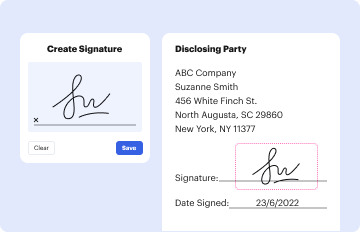
- Sign the Document: Provide a signature to affirm your consent; this can often be done electronically in a digital workflow like DocHub.
- Submit the Form: Deliver the completed form via the chosen method, whether it be online, via mail, or in-person.
Real-World Use Cases
- Employment: When new hires sign this form as part of a background check process.
- Medical: To facilitate the transfer of patient history between medical facilities.
- Education: Allowing the release of transcripts between educational institutions.
State-Specific Rules for Authorization Forms
Different states may have unique regulations regarding the Authorization to Release Information. Understanding these variations is crucial, as they often impact the form's validity and usage across jurisdictions. Laws may differ based on industry, type of information, and the parties involved.
Examples of Variations
- California: More stringent privacy laws apply, especially concerning consumer data.
- New York: Extended protections for employee records in the labor sector.
- Texas: Detailed guidelines on releasing educational records under FERPA.
Being vigilant about state regulations ensures that the Authorization to Release Information adheres to local legal standards and mitigates the risk of non-compliance.
Legal Use and Compliance Guidelines
The legal use of Authorization to Release Information must be carefully managed. The form serves as a protection for all parties involved, particularly when dealing with sensitive data. Ensuring this document is completed, stored, and used correctly can prevent potential lawsuits or breaches of confidentiality.
Key Compliance Considerations
- Ensure Explicit Consent: The signer must acknowledge their understanding of what is being disclosed.
- Maintain Proper Documentation: Keep records of all authorizations and any related communications.
- Monitor Expiry and Revocation: Track the validity of the form and honor any revocation requests promptly.
Failure to follow these guidelines can lead to significant legal consequences, such as fines or reputational harm.
Who Typically Uses the Authorization to Release Information
Various entities and individuals utilize Authorization to Release Information forms, adapting them to their specific needs within different fields.


Common Users
- Healthcare Providers: To manage patient information lawfully.
- Educational Institutions: For the transfer of student records and transcripts.
- Law Enforcement Agencies: To verify officer credentials and history.
- Businesses: During due diligence processes or internal audits.

Practical Scenarios
- A law firm needs client authorization to release case files to a consulting expert.
- A hospital requires patient permission to send medical records to a specialist.
Understanding who benefits from these forms broadens the understanding of their importance across multiple industries.
Examples and Scenarios of Using Authorization Forms
Exploring real-world applications of Authorization to Release Information helps illuminate the form's versatility and essential role in everyday transactions.
Illustrative Cases
- Medical: A patient transferring to a new healthcare provider authorizes the release of medical history for continuity of care.
- Legal: An attorney receiving client permission to disclose case details to a new counsel.
- Finance: A bank seeking consent to access a customer's credit report for loan eligibility.
Through these examples, it becomes apparent how integral this form is to seamless and authorized information exchange.
Important Terms Related to Authorization to Release Information
Understanding key terminology associated with Authorization to Release Information aids in grasping the form's nuances. This clarity ensures all parties are on the same page regarding the document's intent and function.
Terminology Breakdown
- Consent: Agreement by the individual allowing their information to be shared.
- Disclosure: The act of making the information known or accessible.
- Third Party: Any entity or individual that is not the original holder of the information but receives it through authorization.
- Confidentiality: A principle ensuring private information remains protected against unauthorized access.
Grasping these terms enables a rounded comprehension of the form's purpose and functionality.