





Definition and Purpose of Online Forms
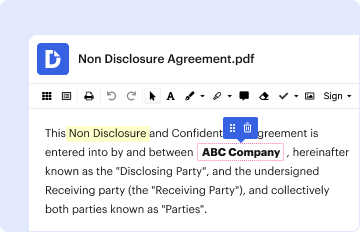
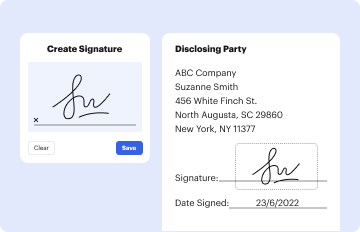
Online forms are digital documents designed to collect and organize user information efficiently. These forms encompass a vast array of uses, from simple surveys to complex applications such as tax filings or legal agreements. The main advantage of using an online form is the simplification of data collection, allowing for easier submission and processing compared to traditional paper forms.
Comprehensive Examples
Examples of online forms include application forms for job positions, registration forms for events, government forms like the U.S. Citizenship and Immigration Services applications, and financial forms such as the IRS's Internal Revenue tax forms. The versatility of these forms permits organizations across various sectors to handle a wide array of administrative tasks effectively.
Key Advantages
- Efficiency: Streamlined data entry and retrieval.
- Accessibility: Users can fill out forms anywhere with internet access.
- Accuracy: Minimizes errors common with manual data entry.
- Speed: Data submission and processing are instantaneous, facilitating faster decision-making.
How to Use an Online Form
Navigating and completing online forms requires a few strategic steps to ensure that the information is accurate and submitted successfully.
Steps for Form Completion
- Access the Form: Visit the designated website where the form is hosted.
- Read Instructions: Carefully review any guidelines or instructions provided to understand the information required.
- Enter Information: Input your data accurately in the required fields, following specified formats where indicated.
- Review and Verify: Double-check all entries for correctness, paying close attention to mandatory fields marked by asterisks.
- Submit the Form: Once all information is confirmed, submit the form by clicking the 'Submit' button or its equivalent.
Tips for Successful Submission
- Save Progress: If the form allows, periodically save your progress to prevent data loss.
- Use Clear Contact Information: Ensure your contact details are correct for any necessary follow-ups.
- Seek Clarification: If confused by any section, use provided help guides or contact support for assistance.
How to Obtain an Online Form
Access Points
Online forms can be accessed through various channels depending on their nature and purpose.
- Official Websites: For government and legal forms, start with the relevant official websites such as IRS.gov for tax forms.
- Company Portals: Access employment or registration forms directly from an organization's website.
- Email Links: Organizations may email direct links that allow users to fill out forms specific to their account or application needs.
Considerations
- Secure Connections: Always ensure forms are accessed via secure websites (https) to protect your data.
- Compatibility: Check whether the form is compatible with your device's operating system or if it requires specific software, such as Adobe Reader for PDFs.
Steps to Complete the Form Online
Completing an online form systematically ensures all necessary data is included and accurate.
Detailed Breakdown
- Set Up: Ensure you are in a quiet space with a stable internet connection.
- Gather Information: Assemble all necessary documents or information required for input, such as identification numbers or personal details.
- Enter Data: Type data into each field, using dropdowns, checkboxes, and text areas as necessary.
- Attachments: Upload required documents like identification proof or photographs, as requested by the form.
- Submit Confirmation: Post-submission, look for a confirmation screen or email noting the successful receipt of your form.
Why Should You Use Forms Online?
Utilizing online forms offers significant benefits in terms of time, cost, and sustainability.
Benefits Explored
- Time Savings: Reduces the need for physical meetings or mail exchanges.
- Cost Efficiency: Decreases the use of paper, printing costs, and postage.
- Environmental Impact: Contributes to environmental conservation by lowering paper waste.
- Convenience: Forms can be accessed and submitted 24/7, accommodating various schedules.
Who Typically Uses Online Forms
Online forms are applied across multiple fields and used by various individuals and organizations.
Primary Users
- Businesses: For client data collection, feedback, and lead generation.
- Students and Educators: For submissions of assignments and evaluations.
- Job Seekers: To apply for positions through digital application forms.
- Government Agencies: To streamline public service applications and renewals.
Key Elements of an Online Form
Understanding the main components of an online form ensures each section is filled out correctly.
Components Breakout
- Header: Displays the form title and purpose.
- Field Labels and Inputs: Instructions for which data to enter and where.
- Navigation Buttons: Allows users to move between pages or sections and submit the form.
- Help Icons: Provides quick access to assistance via tooltips or links.
State-Specific Rules for Online Forms
Certain forms may have state-specific requirements, particularly those involving legal or governmental processes.
Variations and Considerations
- Legal Compliance: Ensure the form adheres to your state’s laws or regulations.
- Documentation Variabilities: Be aware of different rules around ID requirements or proof of residency.
- Submission Protocols: Understand differences in submission methods stipulated by state authorities, such as electronic versus in-person filing.
Understanding these critical facets of online forms can maximize their effectiveness, ensuring efficient data collection and compliance with applicable requirements.