Definition and Meaning of the AARP Tax-Aide Incident Reporting Form
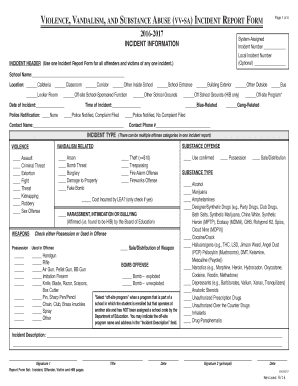
The AARP Tax-Aide Incident Reporting Form is a document used to record details of incidents that occur at tax sites managed by the AARP Tax-Aide program. It serves as a critical tool for documenting unforeseen events, ensuring proper follow-up, and maintaining a safe and professional environment for both volunteers and clients. These incidents can involve accidents, disputes, or any unforeseen occurrences that disrupt the normal workflow or pose potential risks. The form is integral for maintaining accountability and improving service quality, as it helps the AARP not only track issues but also implement solutions to prevent future occurrences.
Why Use the AARP Tax-Aide Incident Reporting Form?
Using the AARP Tax-Aide Incident Reporting Form is essential for several reasons:
- Accountability: Provides a written record of incidents, ensuring transparency and accountability for the involved parties.
- Risk Management: Helps in identifying patterns that may indicate larger systemic issues, allowing for timely intervention.
- Legal Considerations: Protects the organization by documenting incidents that might lead to legal inquiries or actions.
- Volunteer Safety: Ensures that the safety of volunteers and clients is prioritized by mandating the documentation of incidents.
How to Use the AARP Tax-Aide Incident Reporting Form
Filling out the AARP Tax-Aide Incident Reporting Form requires careful detail to ensure all necessary information is captured. Here is a step-by-step guide to using this form effectively:
- Collect Basic Information: Start by recording the date, time, and location of the incident. This generates a precise context for the event.
- Identify Involved Parties: List all individuals involved in the incident, including their names and contact information. This may include volunteers, clients, or bystanders.
- Describe the Incident: Provide a comprehensive account of what transpired. Include details about the nature of the incident, actions of involved parties, and any immediate response taken.
- Contact Local Authorities: Indicate whether local authorities were contacted and provide details of their response if applicable.
- Follow Reporting Protocols: Submit the completed form to the State Coordinator within the prescribed 24-hour window for timely processing and resolution.
Steps to Complete the AARP Tax-Aide Incident Reporting Form
Completing the AARP Tax-Aide Incident Reporting Form correctly is crucial for its effectiveness. Here's a detailed breakdown of the steps involved:
- Access the Form: Obtain the form from your local AARP Tax-Aide site or download it from the AARP's official resources.
- Fill in the Header: Include essential information such as the date of the report, the site code, and the name of the site.
- Document the Incident: Use the dedicated section to describe in detail what happened. Be thorough to ensure clarity for those reviewing the report later.
- Record Witness Statements: Capture statements from witnesses to provide additional perspectives and corroborate the incident details.
- Review and Sign: Double-check the form for accuracy. Ensure that all required fields are filled before signing the document.
- Submit the Form: Follow the procedure to send the form to the appropriate coordinator or supervisor. It is recommended to keep a copy for your records.
Key Elements of the AARP Tax-Aide Incident Reporting Form
The AARP Tax-Aide Incident Reporting Form contains several crucial elements that ensure comprehensive reporting:
- Incident Overview: Briefly summarizes the incident's fundamental aspects for quick reference.
- Involved Parties: Identifies all persons related to the occurrence.
- Detailed Incident Description: Allows for a full narrative of events, supporting thoroughness in reporting.
- Authorities Notified: Indicates interaction with emergency or law enforcement officials.
- Follow-up Actions: Suggests or records actions taken post-incident to mitigate impact or prevent reoccurrence.
Important Terms Related to the Form
Understanding specific terms related to the AARP Tax-Aide Incident Reporting Form is important for accurate completion:
- State Coordinator: The individual responsible for overseeing incident reports and facilitating appropriate actions at the state level.
- Site Code: A unique identifier for the location of the AARP Tax-Aide service site where the incident occurred.
- Volunteer Resources: Materials and instructions provided to volunteers to aid in reporting and responding to incidents.
Legal Use and Compliance
The AARP Tax-Aide Incident Reporting Form serves as an official record with potential legal implications in serious incidents. Compliance with form completion and submission guidelines helps ensure:
- Adequate Documentation: Maintaining accurate records for potential investigation or legal review.
- Policy Adherence: Confirming that organizational protocols are followed precisely.
- Legal Safeguards: Protecting the organization by showing diligence in handling incidents.
State-Specific Rules and Considerations
It's important to note that each state may have specific rules governing the submission and handling of the AARP Tax-Aide Incident Reporting Form. While the core purpose of the form remains the same, variations may exist in terms of submission processes or additional required documentation. Always verify your state's requirements to ensure compliance.
Examples of Using the AARP Tax-Aide Incident Reporting Form
Real-world scenarios where the AARP Tax-Aide Incident Reporting Form is useful include:
- Accidental Falls: A volunteer trips during setup, prompting immediate medical attention and form completion to document the incident.
- Disruptive Behavior: A client causing a disturbance, requiring intervention and documentation for potential follow-up.
- Data Breach: A breach in data security necessitating an incident report to track and address potential risks.
Filing Deadlines and Important Dates
Strict adherence to filing deadlines is crucial when dealing with the AARP Tax-Aide Incident Reporting Form. Reports must be submitted within 24 hours of the incident to ensure prompt handling and investigation. Keeping track of this timeline helps facilitate effective resolution and prevents administrative delays.
Required Documents for Filing
To ensure a complete submission, you may need additional documents such as:
- Witness Statements: For corroborating accounts of the incident.
- Medical Reports: In cases of injury where medical intervention was required.
- Photographic Evidence: If applicable, to provide a visual account of the incident’s context or aftermath.
These documents help enrich the form's content, providing a more comprehensive view of the incident.