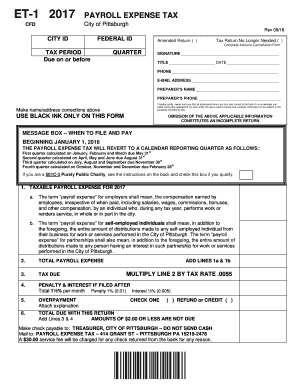
TEXAS HOME IMPROVEMENT DEED OF TRUST (Second Lien) 2026

Get Form
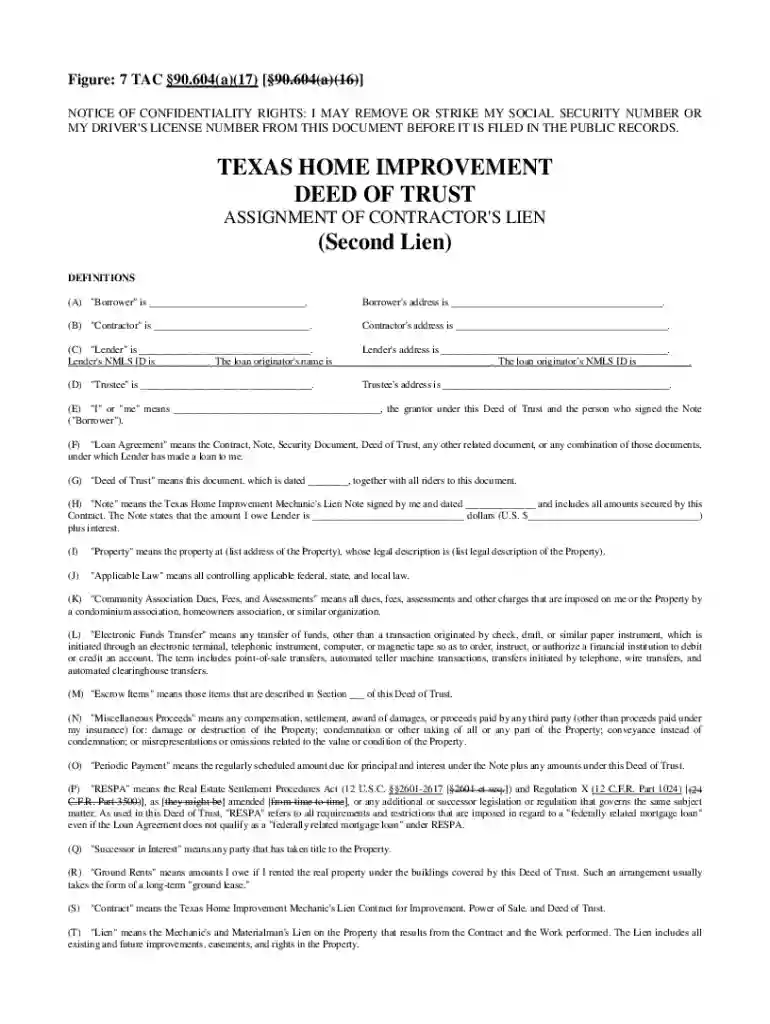
TEXAS HOME IMPROVEMENT DEED OF TRUST (Second Lien) Preview on Page 1

Here's how it works

01. Edit your form online
Type text, add images, blackout confidential details, add comments, highlights and more.

02. Sign it in a few clicks
Draw your signature, type it, upload its image, or use your mobile device as a signature pad.

03. Share your form with others
Send it via email, link, or fax. You can also download it, export it or print it out.

Definition & Significance

A Texas Home Improvement Deed of Trust (Second Lien) is a legal document used to secure a loan for property enhancements, serving as an agreement between the borrower, contractor, lender, and trustee. This deed of trust details the terms and conditions under which the loan is granted and safeguarded, essentially placing a secondary lien on the improved property. Its importance stems from providing a structured framework for managing home improvement investments, ensuring that all parties are aware of their rights and obligations.

  • Borrower: The property owner using the loan for improvements.
  • Contractor: The party responsible for carrying out the improvements.
  • Lender: The entity providing the second lien loan.
  • Trustee: The neutral third party managing the trust agreement.

Understanding this document is crucial for both homeowners and financial institutions, as it clearly defines the legal and financial obligations involved in property improvement loans.

Utilization of the Texas Home Improvement Deed of Trust (Second Lien)

This form is instrumental where homeowners seek a loan to upgrade their property. Homeowners initiate the process by negotiating loan terms, which are then formalized within this legal document. Here’s how the form is typically used:

  1. Agreement Formation: Establishes the agreement terms between the borrower, lender, and contractor.
  2. Lien Placement: Details the creation of a secondary lien, subordinated to the first mortgage lien.
  3. Payment Schedule: Outlines how and when the borrower will repay the loan.
  4. Security Assurance: Protects the lender against default by securing the lien against the property.

The process requires comprehensive understanding and agreement among all parties, ensuring clarity and adherence to Texas legal standards.

Steps to Complete the Texas Home Improvement Deed of Trust (Second Lien)

Completing this form involves several critical steps, each demanding careful attention to detail:

  1. Review Loan Terms: Analyze and agree to the loan's specific terms, including amount, interest rate, and repayment schedule.
  2. Prepare the Document: Fill out the form with accurate details regarding all parties involved, the property, and the loan specifics.
  3. Include Legal Provisions: Ensure inclusion of all required legal clauses that protect involved parties' interests.
  4. Obtain Signatures: Collect signatures from the borrower, lender, contractor, and trustee to validate the agreement.
  5. Recording the Document: File the completed deed of trust with the county recorder to formalize and enforce its terms.

Each step must be carefully executed to uphold the integrity and enforceability of this legal instrument.

Key Elements of the Texas Home Improvement Deed of Trust (Second Lien)

This deed of trust encompasses several essential components ensuring comprehensive protection and agreement:

  • Loan Details: Specifics about the loan including principal amount, interest, and terms.
  • Parties' Identification: Detailed information about all parties involved.
  • Scope of Work: Clear description of the property improvements.
  • Payment & Maintenance Obligations: Provisions detailing how payments are to be made and property maintenance undertaken.
  • Default Consequences: Defines repercussions if the borrower defaults on the agreement.
  • Transfer of Rights: Outlines conditions under which rights in the property may be transferred or adjusted.

Understanding these elements ensures compliance and preparedness for all eventualities throughout the agreement's lifecycle.

Legal Use of the Deed of Trust

This document serves specific legal purposes:

  • Securing Loans: It allows lenders to offer financing based on property value, reducing risk through a secondary lien.
  • Enforcing Payment: Establishes legal avenues for lenders to seek recourse in case of payment default.
  • Facilitating Property Improvements: Legally empowers homeowners to periodically upgrade property value while ensuring lender protection.

Drafted under Texas law, it incorporates state-specific requirements that protect both lenders and borrowers from potential disputes.

State-Specific Rules for the Deed of Trust

In Texas, there are several unique aspects to bear in mind:

  • Lien Priority: Establishes that the improvement deed of trust operates as a second lien, taking backseat priority to any first lien.
  • Recording Requirements: Must be recorded in the appropriate county office where the property is located to ensure enforceability.
  • Regulatory Compliances: Must comply with the Texas Property Code and related statutes, which determine the form's legality and enforceability.

Familiarity with these rules is vital to ensure the form’s adherence to local legal standards.

Required Documents for Completion

Accompanying documentation is crucial to validate the Deed of Trust, including:

  • Loan Agreement: Official document specifying the terms of the loan.
  • Property Title: Proof of ownership for the property being improved.
  • Contractor Agreement: Documentation of the agreement between the borrower and contractor.
  • Borrower and Lender Identifications: Valid identification for all involved parties.

These documents collectively support the accurate and legal completion of the deed, safeguarding against potential legal challenges.

Examples of Using the Deed of Trust

Illustrative scenarios of its application can provide valuable insights:

  • Home Renovations: A homeowner obtains a second lien loan to fund a kitchen remodel, using the Deed of Trust to secure the lender's interests.
  • Energy-Efficient Upgrades: Utilized for loans covering costs of solar panel installation, ensuring improvements align with sustainability goals.
  • Major Repairs: When structural improvements require significant financing, the Deed is critical to protect lender investments.

By understanding practical examples, stakeholders can better appreciate the value and necessity of this legal document within Texas property law.

be ready to get more

Complete this form in 5 minutes or less

Get form

Got questions?

We have answers to the most popular questions from our customers. If you can't find an answer to your question, please contact us.
Contact us
Thus, in practical effect, if not for legal parlance, a deed of trust is a lien on the property. (Robin v. Crowell (2020) 55 Cal.
The Deed of Trust must be in writing, signed by the property owner, and filed in the County Clerk property records. The Deed of Trust should describe the loan amount, name a Trustee, and describe the collateral securing the loan. A correct legal description of the property is essential for a valid Deed of Trust.
Trust Deed - An instrument used to create a mortgage lien by which the mortgagor conveys his or her title to a trustee, who holds it as security for the benefit of the note holder (the lender); also called a Deed of Trust.

Security and compliance

At DocHub, your data security is our priority. We follow HIPAA, SOC2, GDPR, and other standards, so you can work on your documents with confidence.
Learn more
ccpa2
pci-dss
gdpr-compliance
hipaa
soc-compliance
be ready to get more

Complete this form in 5 minutes or less

Get form