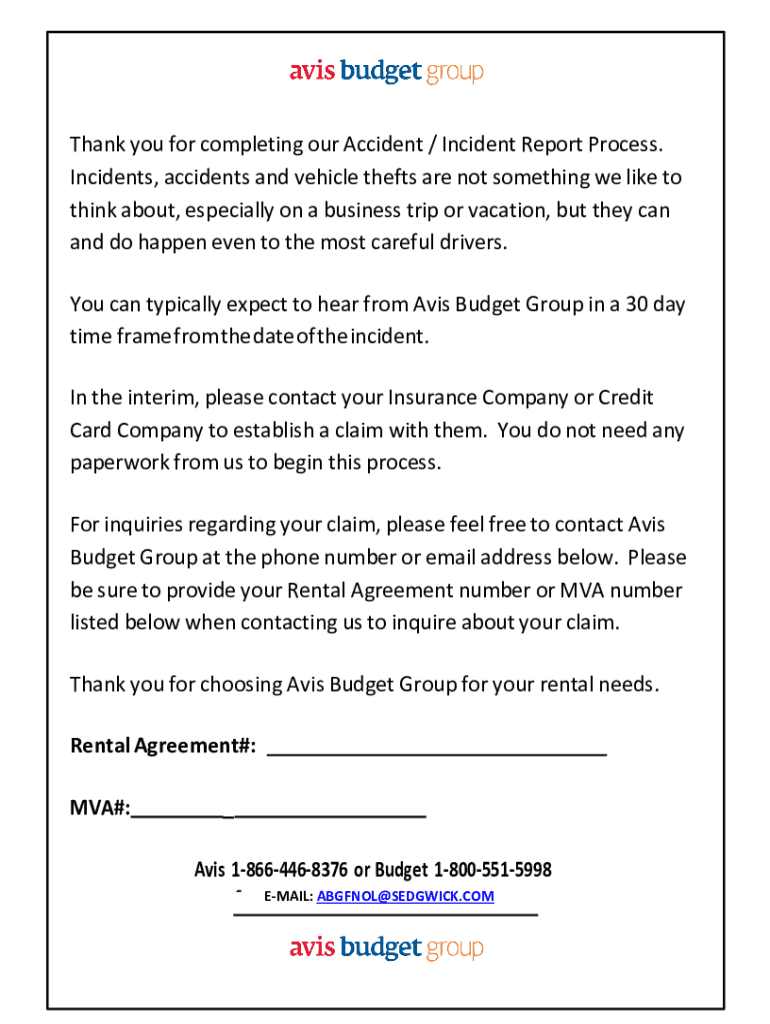







Definition & Purpose of the After an Accident - North Carolina Department of Insurance
The "After an Accident - North Carolina Department of Insurance" form is designed to facilitate the process following a vehicular accident within North Carolina, ensuring proper reporting and adherence to state insurance regulations. This form also serves as an official record of the incident, detailing the involved parties, circumstances of the accident, and subsequent actions taken. Its primary function is to assist drivers, passengers, and other stakeholders in effectively communicating with insurance providers and related authorities, streamlining claims, and reducing processing delays.
How to Use the After an Accident Form
To use the "After an Accident - North Carolina Department of Insurance" form effectively, you should first ensure that all relevant information is accurately gathered at the scene. This includes personal details of all involved parties, vehicle information, and any immediate observations or evidence. Once you have this information, you can utilize the form to systematically record each detail. It's important to maintain clarity and precision when entering data, as inaccuracies can complicate insurance claims. Submitting the form to the necessary entities, such as insurance companies or legal advisors, ensures that all parties stay informed throughout the resolution process.
Step-by-Step Guidance
- Collect Basic Details: Obtain names, contact information, and insurance details of all drivers and passengers involved.
- Record Incident Facts: Describe the accident succinctly, noting the location, time, and any contributing factors such as weather conditions or road hazards.
- Document Vehicle Information: Provide specifics about each vehicle, including model, make, and registration numbers.
- Submit to Insurer: Once completed, the form should be promptly submitted to the insurance company to initiate claims processing.
How to Obtain the Form
The "After an Accident - North Carolina Department of Insurance" form is typically available through the North Carolina Department of Insurance official website. Insurance companies operating within the state often provide versions of this form directly to policyholders as well. It may also be accessible through local DMV offices or through legal professionals who specialize in vehicular accident cases. Obtaining an electronic version allows for efficient and secure submissions, aligning with modern digital practices.
Steps to Complete the Form
Completing the After an Accident form involves a systematic approach to ensure all necessary details are covered.
- Personal Information: Fill in your full name, contact information, and insurance policy details.
- Incident Description: Provide a detailed account of the accident's circumstances, including time and location.
- Witness Statements: If applicable, include contact information and statements from any witnesses.
- Police Report: Attach or reference the police report number if law enforcement was involved.
- Submit Properly: Depending on the form's requirements, submission might be through mail, email, or an online portal.
Key Elements of the Form
Key elements of the "After an Accident - North Carolina Department of Insurance" form include comprehensive sections for personal data, a clear incident narrative, and insurance coverage details. Each section must be filled out with accurate and current information. Moreover, the form should capture the sequence of events leading to the accident, immediate actions taken, and any first-hand accounts from witnesses. This thorough documentation supports accurate insurance assessments and legal evaluations.
State-Specific Rules and Considerations
North Carolina has specific regulations that might affect how the "After an Accident" form is utilized. The state follows contributory negligence laws, meaning that if you are found to be even partially at fault for the accident, you may not be able to claim damages. Therefore, accurately reporting details in the form is critical. Additionally, drivers must report accidents to the DMV if they involve substantial property damage or personal injury, underlining the necessity of having a completed form ready for such communications.
Digital vs. Paper Versions
Both digital and paper versions of the "After an Accident - North Carolina Department of Insurance" form are available, providing flexibility in submission. Digital forms offer advantages such as easier dissemination and quicker processing times. They ensure legibility and can be directly transmitted to insurance providers and legal entities. Paper versions remain vital for those who prefer or require physical documentation and may be distributed at relevant local offices or by insurance agents.
Eligibility and Legal Implications
Not all accident scenarios require the use of this form, but it is often recommended for incidents involving significant property damage, personal injury, or legal disputes. Legal implications may arise if the form is incorrectly completed or if essential information is omitted. Accurate and truthful reporting should align with North Carolina's legal standards to avoid penalties or insurance complications, highlighting the importance of thoroughness and attention to detail.
By following these structured approaches, individuals can navigate the aftermath of an accident with confidence and clarity, ensuring all responsible steps are taken within the legal framework of North Carolina.