





Definition and Meaning of Form Online
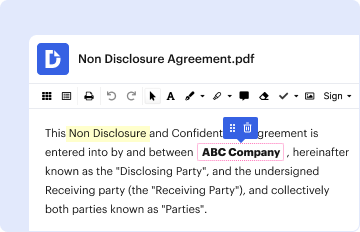
Understanding the concept of a form online involves recognizing its digital nature and functionality. An online form refers to an electronic or digital version of a document, designed to collect data in an organized manner over the internet. Unlike traditional paper forms, these are accessible via web browsers and can capture information through various input fields such as text boxes, radio buttons, and drop-down menus. The digital nature allows for real-time data validation, ensuring the accuracy and completeness of the submitted data.
Features of Online Forms
- Ease of Access: Available 24/7 from any location with internet access.
- Automated Data Collection: Reduces manual entry errors and speeds up the data-gathering process.
- Real-Time Validation: Ensures required fields are completed and data is formatted correctly before submission.
How to Use the Form Online
Engaging with an online form is typically a straightforward process. Here's how users can navigate and fill out these forms effectively:
- Access the Form: Locate the form on the relevant website or platform.
- Read Instructions Carefully: Understand what information is required.
- Fill Out Required Fields: Use provided input fields to enter data, ensuring all mandatory sections are completed.
- Review Your Information: Double-check entries for accuracy and completeness.
- Submit the Form: Click the 'Submit' or 'Send' button to complete the process.
Practical Tips
- Ensure a stable internet connection to prevent data loss.
- Use the 'Save' option if available, to avoid losing information due to unforeseen issues.
- Contact support if any technical difficulties arise during form submission.
Steps to Complete the Form Online
Completing an online form involves several steps to ensure all necessary information is thoroughly provided:
- Locate the Form: Knowing where to find the form is the first step. This might be on a government or business website.
- Prepare Required Documents: Assemble any documents or references needed to accurately fill out the form.
- Fill Out the Form: Enter information into each field, ensuring all mandatory fields are correctly filled.
- Attach Additional Documents: If necessary, upload any supporting documents.
- Submit and Receive Confirmation: Submit the form and save or print the confirmation message or email.
Important Terms Related to Form Online
Navigating online forms typically involves understanding specific terminologies:
- Mandatory Fields: Sections of the form that must be filled out before submission.
- Validation: A process ensuring that the data entered into the form meets specific requirements.
- Captcha: A security feature used to differentiate between human users and bots.
Clarification on Key Terms
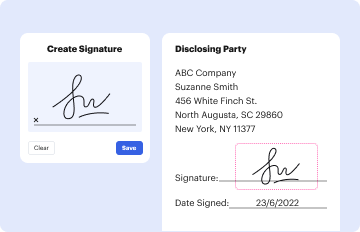
- E-Signature: Electronic method of signing a form, recognized as legally binding.
- Encryption: Protects data submitted in the form from being accessed by unauthorized users.
Legal Use of the Form Online
Online forms often comply with legal standards and provide a secure method for submitting sensitive or legally-binding information:
- Electronic Signatures in Global and National Commerce Act (ESIGN): Federal law empowering electronic records and signatures.
- Compliance with Data Protection Laws: Ensures user data privacy and security, such as GDPR or CCPA in applicable jurisdictions.
Legal Scenarios
Forms online can be used in various legal contexts, such as signing contracts or filing tax returns. They often incorporate security measures like encryption and secure access protocols.
Key Elements of the Form Online
Understanding the components of an online form helps users engage more effectively:
- Input Fields: Allow users to enter data such as names, addresses, and other specific details.
- Drop-Down Menus: Provide options from which a user can select.
- Submit Button: Finalizes the data entry and sends the form to the server for processing.
Additional Components
- Error Messages: Guide users in correcting invalid entries.
- Preview Option: Allows users to view their completed form before submission.
Examples of Using the Form Online
Online forms are versatile tools used across different scenarios:
- Job Applications: Candidates provide personal and professional information for employment opportunities.
- Surveys: Collect feedback or opinions from a target audience.
- Registration Forms: Used for events, courses, or memberships to collect necessary participant information.
Real-World Applications
Educational institutions use online forms for course enrollments, while businesses use them for onboarding processes. These forms enable efficient data collection and management.
Required Documents for Form Online
Online forms may require users to attach or reference specific documents:
- Identity Verification: Passport or driver's license may be needed for identity confirmation.
- Financial Records: Bank statements or tax documents when necessary.
Document Guidelines
Ensuring proper document format and size is crucial for successful uploads. Common accepted formats include PDF, DOCX, and JPEG. Keep these guidelines in mind to avoid submission errors.