






Definition & Meaning
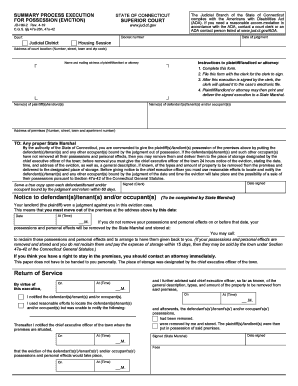
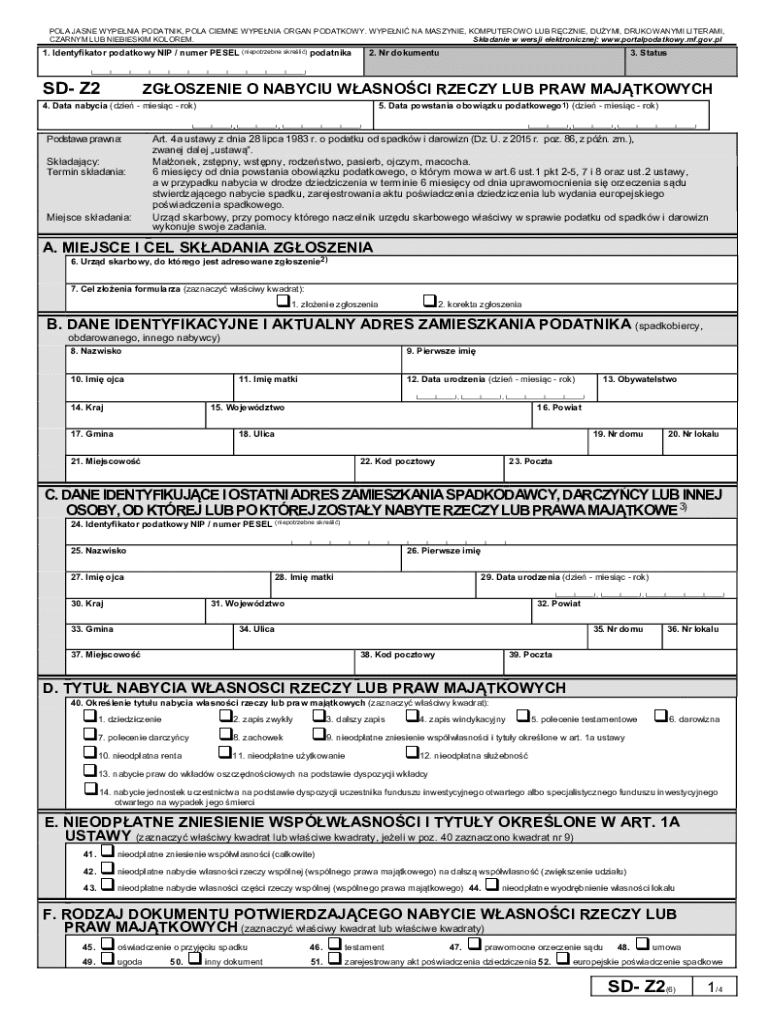
The SD-Z2 06 014 form is a tax document essential for reporting the acquisition of property or rights. It serves a pivotal role for taxpayers who must clearly articulate the specifics of their transactions, including personal identification, details of the acquired assets, and the buyer-seller relationship. This succinctly outlines its importance in tax compliance and legal reporting frameworks.
Purpose and Context
- Tax Compliance: The form ensures accurate reporting to align with federal and state tax laws.
- Legal Clarity: Provides a legal basis for property and rights acquisition documentation.
- Accuracy Requirement: Emphasizes the need for precision to prevent potential legal consequences for misreporting.
How to Use the SD-Z2 06 014
Using this form requires careful attention to detail to ensure all necessary information is communicated effectively.
Step-by-Step Usage
- Gather Personal Information: Start by filling out the sections for personal and contact information. This typically includes name, address, and taxpayer identification number.
- Detail Acquired Assets: Specify the properties or rights acquired, including descriptions and any relevant transaction details.
- Explain Relationships: Clearly state the relationship between the buyer and seller to establish transaction legitimacy.
- Review and Validate: Before submission, double-check all entries for completeness and accuracy to avoid errors.
Practical Examples
- An individual purchasing stock options would detail the transaction specifics, including seller information, purchase price, and number of options acquired.
Steps to Complete the SD-Z2 06 014
Completing the form involves a systematic approach to ensure each part of the form is correctly filled out.
Comprehensive Steps
- Access Form: Obtain the form through official tax authority websites or financial institutions.
- Understand Instructions: Carefully review the accompanying instructions to understand nuances.
- Fill Required Fields: Input the necessary data in each section, ensuring clarity and accuracy.
- Double-check Information: Verify all data entries to prevent inaccuracies.
- Sign and Date: Authenticate the document with your signature and date it appropriately.
- Submit Form: Choose a submission method that suits you, whether online, mail, or in-person.
Considerations
- Digital Signature: For electronic submissions, ensure your digital signature is legally compliant.
- Submission Deadlines: Pay attention to deadline requirements to avoid late filing penalties.
Required Documents
Certain documents are typically required to support the entries in the SD-Z2 06 014.
Necessary Supporting Documents
- Identification Proof: A government-issued ID to verify the identity.
- Transaction Evidence: Purchase agreements or contracts that outline the transaction specifics.
- Financial Statements: Documents that provide a financial snapshot, supporting claims made in the form.
Document Organization Tips
- Keep Originals Safe: Always store originals in a secure location.
- Upload Clear Copies: For online submissions, ensure document scans are clear and legible.
Legal Use of the SD-Z2 06 014
Correct legal use of the SD-Z2 06 014 is crucial for meeting compliance standards.
Key Legal Aspects
- Compliance Requirement: Adheres to local and federal tax requirements.
- Accuracy Obligation: Taxpayers are expected to provide truthful and accurate representations.
- Legal Consequences: Inaccuracies can lead to fines, audits, or legal repercussions.
Legal Reference
- ESIGN Act Compliance: If submitting electronically, ensure compliance with electronic signature regulations.
Penalties for Non-Compliance
Failing to comply with requirements for the SD-Z2 06 014 can lead to significant penalties.
Types of Penalties
- Fines: Monetary penalties for inaccurate or late submissions.
- Audits: Increased likelihood of audits if discrepancies are detected.
- Legal Action: Potential legal action for intentional misrepresentation.
Preventing Non-Compliance
- Timely Submission: Ensure prompt filing to avoid penalties.
- Accurate Recording: Verify all entries and supporting documents for correctness.
- Consult with Experts: Engage tax professionals to navigate complex tax situations.
Filing Deadlines / Important Dates
Adhering to filing deadlines is necessary for maintaining tax compliance.
Key Dates to Consider
- Annual Deadlines: Typically align with tax year end dates, such as April 15 for individual taxes in the U.S.
- Extension Opportunities: Possibility to file for extension if more time is needed, ensuring forms are submitted without penalties.
Date Management Strategies
- Calendar Alerts: Use digital calendars to set reminders for crucial tax dates.
- Professional Guidance: Tax advisors can provide specific deadline management insights and support.
Examples of Using the SD-Z2 06 014
Understanding real-world applications helps in contextualizing form usage.
Scenario Illustrations
- Small Business Acquisition: A partnership acquiring new office space may utilize the form to report the transaction, detailing seller information, property address, and the romanticized value of the acquisition.
- Rights Acquisition: An individual acquiring broadcasting rights would need to document the nature of the rights, the purchasing entity, and the regulatory provisions applicable to the transaction.
Additional Context
- Educational Use Cases: Universities acquiring intellectual property rights might use this form to report acquisitions for tax and audit purposes.
In summary, the SD-Z2 06 014 form is crucial for accurately reporting property and rights transactions. With careful preparation, adherence to deadlines, and ensuring legal compliance, taxpayers can effectively use this form to meet their reporting requirements.