




Definition & Meaning
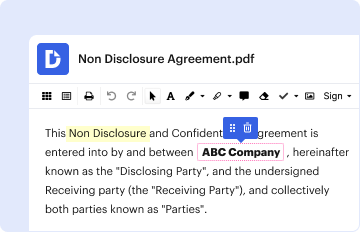
In the context of digital documentation, "form online" refers to electronic forms that can be created, filled out, and submitted via the internet. These forms offer a user-friendly way to collect information, allowing individuals and businesses to process data efficiently. Online forms can mimic the layout and function of traditional paper forms, but they also include interactive elements such as dropdown menus, checkboxes, and signature fields.
Variations and Use Cases
- Surveys and Feedback: Organizations frequently use forms to gather opinions or feedback. These typically feature multiple-choice questions and comment sections.
- Application Forms: Job applications or membership forms that require several pieces of information can be processed more smoothly online.
- Registration Forms: Often used for events or services, these forms collect necessary participant information efficiently.
How to Use the Form Online
Using an online form begins with accessing the platform that hosts the form. You can either start with a template or a blank slate, depending on the form's complexity.
Access and Interaction
- Initial Steps: Log in to the cloud-based platform where the form is hosted.
- Form Navigation: Use intuitive navigation tools to move through the form, filling out fields as required.
- Submission Instructions: Once completed, follow the platform's instructions to submit or save the form.
Tips for Efficient Use
- Pre-fill Options: Some platforms offer auto-fill capabilities using previously saved data.
- Save Progress: Many platforms allow you to save your progress, letting you return to complete the form at a later time.
Steps to Complete the Form Online
Completing an online form requires careful attention to each section to ensure all required fields are filled in correctly and completely.
Step-by-Step Process
- Access: Open the online form from a secure link or through a platform such as DocHub.
- Review Instructions: Read through all the instructions before starting.
- Fill in Basic Information: Begin with personal or company information as needed.
- Add Necessary Documentation: Attach or upload required documents via designated sections.
- Review and Edit: Double-check inputs for accuracy and make use of revision tools to correct any mistakes.
- Finalize and Submit: Once all sections are complete, follow submission protocols, which might include clicking a ‘Submit’ button or digitally signing the form.
Common Errors to Avoid
- Skipping Required Fields: Ensure all mandatory fields are completed to avoid rejection.
- Missing Deadlines: Be aware of submission cut-off dates to ensure timely submission.
Why Should You Form Online
The advantages of using online forms are manifold, especially in terms of efficiency and accuracy.
Benefits of Online Forms
- Convenience and Accessibility: Forms can be accessed and submitted at any time and from any location with internet access.
- Error Reduction: Automated error checking can prevent common mistakes.
- Time Saving: Pre-filling and data storage options reduce repetitive data entry.
Real-World Scenarios
- Remote Workplaces: Teams can operate seamlessly, sharing and submitting forms without needing physical office space.
- Cross-Border Business: Online forms eliminate the need for postal services by providing instant submission methods.
Important Terms Related to Form Online
Understanding key terminology associated with online forms can facilitate smoother interactions.
Glossary of Key Terms
- Fillable Field: An interactive section of the form that allows for data entry.
- Encryption: The method of securing data in the transmission process to protect privacy.
- Responsive Design: A design approach ensuring forms are easily accessible on various devices.
Related Compliance Terms
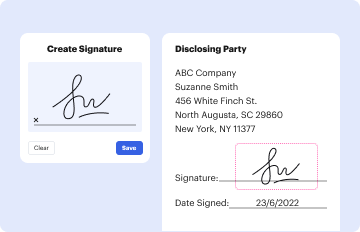
- Electronic Signature (e-signature): A legally valid method of signing documents digitally.
- Authentication Protocols: Security measures ensuring only authorized users access sensitive forms.
Legal Use of the Form Online
Using online forms comes with legal considerations, especially regarding confidentiality and data protection.
Compliance Requirements
- ESIGN Act: Provides e-signatures the same legal standing as handwritten signatures.
- Data Privacy Laws: Compliance with regulations like GDPR or CCPA to protect users' personal information.
Legal Scenarios
- Contractual Agreements: Secure forms allow for binding agreements to be executed fully online.
- Document Verification: Legal entities can verify documents through encrypted and authenticated means.
Key Elements of the Form Online
Creating effective online forms involves using the right components to enhance functionality and user experience.
Core Components
- Interactive Fields: Include a variety of fields, like text, dropdowns, and checkboxes, ensuring all required information is gathered.
- Conditional Logic: Use logic to show or hide fields based on user responses, streamlining the process.
- Validation Settings: Implement checks to ensure data entered meets specific criteria (e.g., correct date format).
Design Elements
- User Interface: Design forms to be clean and intuitive to enhance user engagement and completion rates.
- Accessibility: Ensure forms are compatible with screen readers and other assistive technologies to widen access.
Examples of Using the Form Online
Understanding how different organizations implement online forms can illustrate their diverse applications.
Case Studies
- Educational Institutions: Use forms for student enrollment, which allows for easier data management and reduced paperwork.
- Healthcare Providers: Patient intake forms can be completed before appointments, improving office efficiency and patient experience.
- Corporate Settings: HR departments use forms for onboarding new employees, ensuring a standardized and legally compliant process.
Practical Examples
- Non-Profit Organizations: Volunteer sign-up forms streamline the coordination process by consolidating information into a single database.
- Event Planners: Registration forms provide organizers with participant data, facilitating smoother event execution.