Definition & Meaning
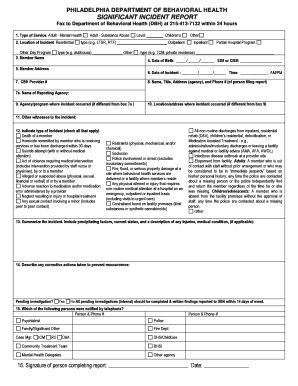
The phrase "improperly or missing the member or responsible party signature will not be" refers to the essential requirement of having a complete and accurate signature on certain official documents. This signature requirement ensures that the document is legally binding and that all parties acknowledge their agreement or provision of information. Without the necessary signatures, the document may not be considered valid or processed appropriately, potentially causing delays or requiring resubmission.
Steps to Complete the Signature Requirement
-
Identify the Required Signatories: Determine who the mandatory signatories are for the document. This could include the member, a responsible party, a legal guardian, or a business representative.
-
Ensure Proper Documentation: Make sure each signatory has access to the correct version of the document that requires their signature. Verify that no sections are missing or incorrectly filled out.
-
Provide Clear Signature Instructions: Offer explicit directions on where and how signatories need to sign. This may involve indicating specific pages or sections within the document.
-
Check Accessibility: Ensure the document is delivered in a format that each signatory can access. Digital formats should be compatible with systems like DocHub to allow electronic signing.
-
Review for Completeness: Double-check each completed signature for proper names, dates, and placement to avoid common pitfalls of missed or incorrect signing.
Who Typically Uses This Documentation
Documents requiring thorough signature processes are commonly used by a variety of individuals and entities. These include:
- Healthcare Providers and Members: For applications or changes to healthcare coverage.
- Legal Entities: To validate contracts or agreements.
- Business Partnerships: For establishing or modifying business agreements.
- Educational Institutions: When updating records or consents for students.
- Government Agencies: For various applications that require accountability and affirmation from relevant parties.
Key Elements of Signature Compliance
- Proper Identification: The signatory’s identity must be verifiable to ensure authenticity.
- Clear Intent: The signature should reflect the signatory's clear intent to agree or acknowledge the document's contents.
- Appropriate Placement: Signatures need to appear in designated areas within the document to avoid confusion.
- Timeliness: Signatures should be acquired within specified timelines to prevent invalidation or processing delays.
Legal Use of Signature Documentation
Document signatures hold legal weight when collected and managed appropriately. Adhering to laws such as the ESIGN Act in the U.S. ensures that electronic signatures are as valid as handwritten ones. This legal recognition is crucial for agreements to be enforceable in court, thus protecting the rights and expectations of the signing parties.
State-Specific Rules for Signatures
Different states may have specific rules governing document signatures, especially in areas such as real estate, healthcare, and employment:
- California and New York: Have strict electronic signature laws with specific consumer protection protocols.
- Texas and Florida: Often require notarization for certain documents even if electronically signed.
- Illinois: Requires electronic signatures to comply with specific security measures to be valid.
Importance of Proper Execution
The correct execution of documents by securing all required signatures is vital for several reasons:
- Validity and Enforceability: Without a complete set of signatures, documents could be invalidated, leading to legal complications or financial loss.
- Risk Mitigation: Accurate documentation helps in reducing disputes or misinterpretations later.
- Efficiency in Processing: Properly signed documents pass through administrative processes more smoothly, ensuring timely execution of agreements or changes requested.
Examples of Non-Compliance Penalties
Failure to meet the signature requirement can result in various penalties, including:
- Rejection of Request: Document submissions missing signatures may be rejected, necessitating re-submission and causing delays.
- Fines or Legal Repercussions: In cases where timely documentation is critical, missing signatures could lead to fines or other legal actions.
- Suspension of Services: For healthcare coverage and certain legal agreements, services may be halted until compliance is met.
Form Submission Methods
- Online: Using platforms like DocHub ensures secure and rapid electronic signature collection.
- Mail: Physical forms may be sent via postal services with wet signatures required.
- In-Person: Certain documents may still necessitate in-person signatures, especially when notarization is required.