





Definition and Purpose of Form Online
The term "form online" typically refers to digital forms available on various platforms that users can fill out, submit, and manage over the internet. These forms are designed to streamline administrative tasks across numerous sectors, including legal, educational, and governmental applications. By digitizing forms, organizations can increase efficiency, reduce paper waste, and enable data to be processed and analyzed more swiftly.
- Applications: Common applications include tax submissions, legal certifications, and business filings.
- Types: These forms can range from simple contact forms to complex legal documents.
- Advantages: Reduction in processing time, elimination of physical storage needs, and enhanced accessibility.
How to Use Form Online
Using a form online involves several key steps, which ensure the submission is accurate and complete. Here’s a breakdown of how to effectively utilize these forms:
-
Accessing the Form: Locate the required form on the specific website.
- Use search tools if necessary.
- Check that the form is up-to-date and appropriate for your needs.
-
Filling Out the Form:
- Provide accurate information in each field.
- Use drop-down menus and checkboxes where applicable.
-
Reviewing the Data: Cross-check all entered details to ensure accuracy and completeness.
- Double-check for typographical errors.
- Verify any legal names or numbers.
-
Submitting the Form: Follow the prompts to submit your form online.
- Ensure you receive an acknowledgment of submission.
- Save a copy of your form if possible.
Steps to Complete the Form Online
Completing a form online requires a systematic approach to ensure that all necessary details are provided correctly:
Step-by-Step Process
- Gather Information: Have all necessary documents and data on hand before starting.
- Log in or Register: Access the platform, which may require account creation or sign-in.
- Enter Data: Methodically fill in fields, ensuring no omissions.
- Attach Documents: Upload any supporting documentation if required.
- Preview: Use the preview function to review the entire form.
- Submit: Confirm submission, ensuring you follow any specific submission guidelines.
Who Typically Uses Forms Online
Forms online are utilized by a wide range of individuals and organizations, including:
- Businesses: Submitting tax forms, applying for licenses, and compliance documentation.
- Individuals: Completing applications for educational programs or government services.
- Legal Professionals: Filing legal documents and certifications.
- Government Agencies: Facilitating citizen interactions through streamlined processes.
Why You Should Form Online
Opting to fill forms online provides numerous benefits that make this method increasingly preferable over traditional paper forms:
- Efficiency: Quick completion and instant submission reduce processing times.
- Convenience: Access from anywhere with internet capabilities, including mobile devices.
- Environmentally Friendly: Reduces the need for printed forms, lowering paper consumption.
- Accessibility: Easy access to past submissions and forms, with the ability to correct errors speedily.
Key Elements of Form Online
Several critical elements ensure that an online form functions effectively:
- User Interface (UI): An intuitive UI facilitates easier navigation and completion.
- Validation Tools: Automatic checks to verify input data accuracy and completeness.
- Security Features: SSL encryption and secure authentication to protect data integrity.
- Integration Capabilities: Ability to interface with software like CRM systems for seamless data transfer.
Legal Use of Form Online
Using forms online often involves legal considerations to ensure compliance:
- Legally Binding: Many online forms are legally binding upon submission, particularly in contexts like contracts and government submissions.
- Privacy Laws: Must comply with data protection statutes such as GDPR for European individuals or CCPA in California.
- Consent Requirements: Most forms require explicit consent for processing of personal data.
Examples of Using Form Online
Real-world scenarios illustrate the variety of forms that can be handled online:
- Tax Filing: Individual taxpayers submit annual tax documents like the W-9 electronically using platforms such as the IRS e-File.
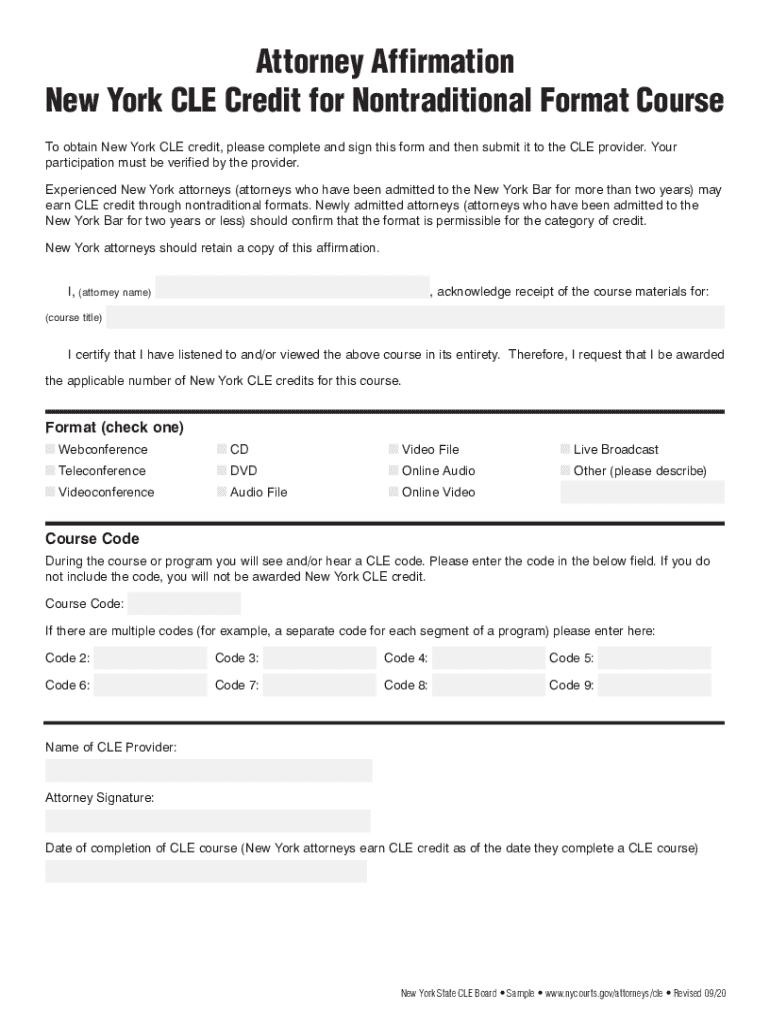
- Legal Declarations: Attorneys use digital affirmation forms to certify their CLE credits.
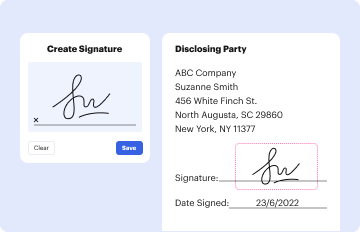
- Partnership Agreements: Corporations execute legally binding contracts through electronic signatures and digital submissions.
These diverse applications underline the adaptability and efficiency of online forms, highlighting their value across multiple domains.