Understanding The Role of Non-Profit Hospital Charity Care
Non-profit hospital charity care in Illinois serves as a critical component of the publicly-funded health care safety-net. This mechanism is designed to provide medical services to uninsured individuals who otherwise cannot afford healthcare. Non-profit hospitals are tasked with bridging the gap left by government spending on public health care, making charity care a vital service for countless residents throughout the state.
Driving Factors Behind Charity Care
- Rising Uninsured Rates: As health insurance becomes financially inaccessible for increasing numbers of individuals, the role of charity care grows. Hospitals need to accommodate these patients to maintain public health standards.
- Tax Benefits in Return: Non-profit hospitals receive substantial tax exemptions due to their role in providing charity care, which aims to offset the costs of uninsured patient care.
Steps to Complete Charity Care Applications
Patients requiring charity care at a non-profit hospital in Illinois must navigate the application process:
- Initial Consultation: Seek advice from the hospital’s financial assistance office to understand specific requirements and gather information on eligibility.
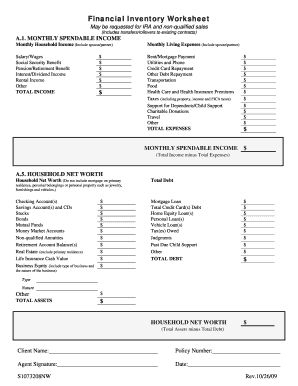
- Documentation Submission: Prepare necessary documents, including proof of income, residency, and any current healthcare coverage.
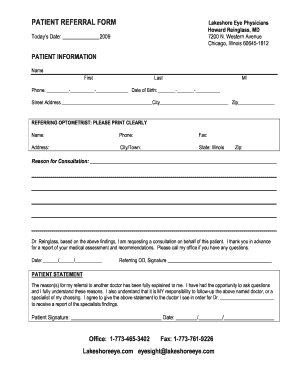
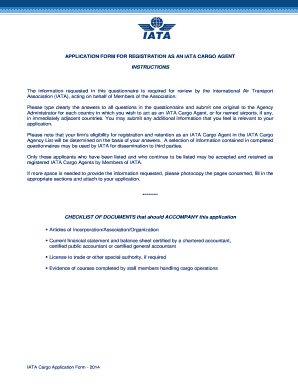
- Application Form Completion: Fill out the hospital's charity care application form meticulously, ensuring every required field is complete.
- Review and Follow-Up: After submission, the application is reviewed by the hospital administration. Additional information might be requested, so be prepared to provide further evidence as required.
- Receiving a Decision: The hospital will contact you with their decision and outline the level of assistance you can expect.
Eligibility Criteria for Receiving Charity Care
Several criteria must be met to qualify for charity care:
- Income Levels: Typically, assistance is based on a sliding scale relative to the federal poverty level.
- Residency Requirements: Proof that you are a resident of Illinois may be necessary.
- Lack of Insurance: Demonstrating that you do not qualify for other insurance or governmental healthcare programs.


Key Elements of Non-Profit Hospital Charity Care
Understanding the core elements shaping charity care is crucial:
- Tax-Exempt Status: Non-profit hospitals' eligibility for federal tax exemptions on the condition of providing a certain level of charity care.
- Transparency and Accountability: Obligations to total charitable care compared to tax relief benefits are subject to scrutiny, emphasizing the need for fulfilling public service commitments.
Legal and Regulatory Frameworks
The provision of charity care is guided by both federal and state regulations. In Illinois, hospitals must comply with state laws that dictate minimum thresholds for charity care and reporting procedures to ensure compliance and transparency.
Compliance Risks and Penalties
Non-compliance with charity care obligations carries significant risks:
- Loss of Tax-Exempt Status: Hospitals failing to provide the necessary level of charity care risk losing their tax-exempt designation.
- Financial Penalties: Potential fines or other financial implications for not meeting required charity care provision levels.
Examples of Charity Care in Action
Instances illustrating the role of charity care in real-world scenarios:
- Emergency Services: Patients requiring immediate life-saving treatment without the means to pay are often beneficiaries of charity care.
- Chronic Conditions Management: Nonprofits frequently assist uninsured patients with ongoing medical needs, such as diabetes, by subsidizing costs for regular check-ups and medications.
State-Specific Rules and Differences
Illinois presents a unique framework for managing charity care, reflecting certain regional nuances:
- Mandatory Reporting: Specific quarterly or annual reporting mandates on the charity care services provided.
- Unique Eligibility Standards: Variations from other states in defining what constitutes eligibility based on demographics and economic conditions.
Practical Scenarios and Case Studies
- Urban Hospitals vs. Rural Clinics: Differences in the volume and nature of charity care provided, with urban settings often experiencing a higher volume of uninsured patients.
- Impact Studies: Analyses of the fiscal benefits to hospitals versus the community health improvements derived from effectively administered charity care programs.