






Definition and Meaning
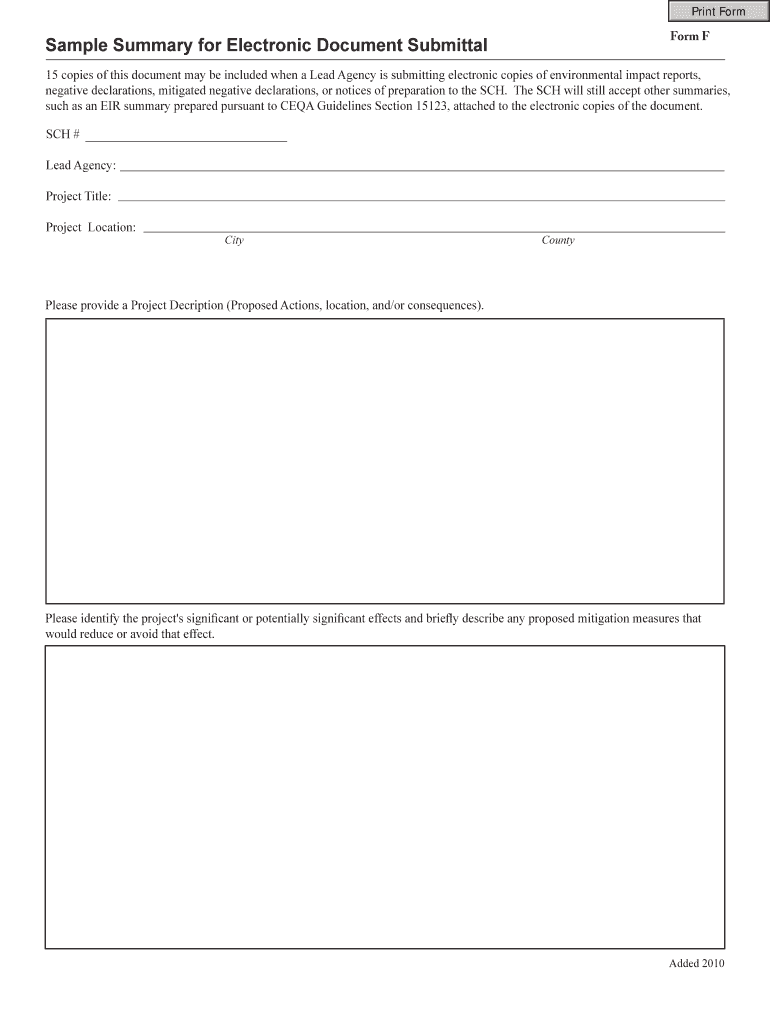
"Form F" is often utilized in various administrative and compliance settings to standardize data collection and submission. In many cases, this form helps streamline processes by ensuring all necessary information is captured accurately and consistently. Commonly, the form includes fields for identification, financial data, and compliance-related disclosures, which are crucial for fulfilling legal and regulatory requirements. Its purposes vary depending on the context, ranging from tax reporting to business registrations, reflecting its adaptability to different uses.
How to Use the Form F
Using Form F involves several key steps to ensure accurate completion and submission. Initially, individuals or entities should thoroughly review the form instructions to understand the required information and its purposes. Typically, users will need to provide personal or organizational details, as well as any supplementary documentation specified in the form’s guidelines. Once completed, the form must be checked for accuracy, ensuring all fields are filled correctly to avoid processing delays. In some cases, submission of Form F will require additional signatories or endorsements, particularly when legal validation is necessary.
- Verify that you have the latest version of Form F.
- Gather all necessary documents and information needed to fill the form.
- Complete each section as per the instructions, ensuring no required field is omitted.
Steps to Complete the Form F
Completing Form F involves a series of steps that should be followed meticulously to avoid errors:
-
Review Instructions: Begin by downloading the latest instructions for Form F to understand the details required and the form's purpose.
-
Gather Required Information: Collect all necessary documents, such as identification numbers, financial statements, or other specific data sets mentioned in the form's instructions.
-
Fill Out the Form: Enter your data into each relevant section, ensuring accuracy and completeness. Use supplementary sheets if needed for additional information.
-
Confirmation and Signatures: Verify the correctness of every entry and, if required, procure signatures from authorized individuals.
-
Submission: Follow the recommended submission procedure, which may involve mailing, delivering in person, or submitting electronically via an approved platform.
Who Typically Uses the Form F
Form F is often utilized by a diverse range of entities, both individuals and corporate organizations. It is frequently required by:
- Corporations and LLCs: For regulatory filings and compliance reporting.
- Non-Profits: To maintain good standing with governmental organizations.
- Individuals: In particular scenarios, such as real estate transactions or personal legal matters, requiring formal documentation submissions.


Legal Use of the Form F
The legal implications associated with Form F are significant, as it often serves as an official record of intent, compliance, or application. Users of Form F must ensure that all information provided is truthful and accurate; submitting false or misleading information can lead to penalties, legal repercussions, or invalidated applications. Understanding the legal context of using Form F helps avoid unintended consequences and ensures that the form’s submission aligns with regulatory standards and practices.
Key Elements of the Form F
Form F typically comprises several crucial sections that users must complete. These often include:
- Identification and Contact Information: Fields capturing the principal details of the individual or organization submitting the form.
- Financial Information: Sections requiring detailed financial data, such as income statements or asset valuations.
- Declaration and Certifications: A portion where applicants affirm the truthfulness of the information and agree to specified terms under penalty of law.
Each element is designed to capture comprehensive data pertinent to the form's purpose and achieves compliance with relevant standards.
Required Documents
Submission of Form F usually necessitates the inclusion of supplementary documents that provide additional context or verification of the data submitted. These might include:
- Proof of Identity: Such as copies of government-issued IDs.
- Financial Statements: Recent tax returns, balance sheets, or income reports to support claims made within the form.
- Supporting Legal Documents: Contracts, agreements, or licenses that validate the application's context and purpose.
Before submission, ensure these documents are organized and authenticated as necessary.
Form Submission Methods
The methods for submitting Form F can vary based on administrative guidelines and may include:
- Online Submission: Using an electronic platform provided by a governmental agency or private service ensures a quicker review and processing time.
- Mail: Traditional postal services can be used when electronic submissions are not an option, though this method often requires additional time for form processing.
- In-Person Delivery: Directly handing the completed form to a designated office can sometimes be necessary for more sensitive or critical submissions.
Understanding the preferred method ensures timely and correct processing of the form.
Penalties for Non-Compliance
Non-compliance with the requirements of Form F can lead to several penalties. These may involve fines, suspension of licenses, or legal action in severe cases. For business entities, failure to submit the form accurately or on time can result in reputational damage or operational disruptions. Retaining a detailed checklist of form requirements and deadlines helps mitigate these risks and ensures adherence to regulatory obligations.