Definition & Meaning
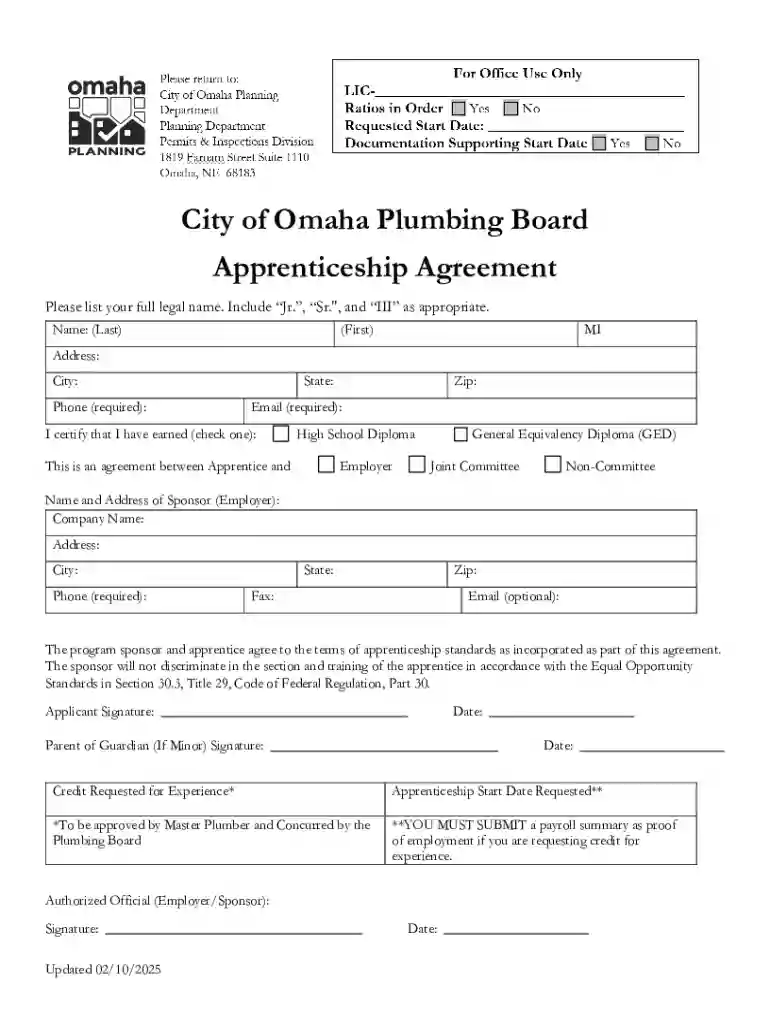
The Apprenticeship Agreement is a formal contract that outlines the terms and conditions between an apprentice and their employer. This agreement serves as the legal framework for the apprenticeship, detailing the roles and responsibilities of both parties. It includes essential information such as the duration of the apprenticeship, the nature of the training to be provided, and the expectations regarding competency development. In the United States, apprenticeship agreements are integral to ensuring that apprentices receive structured and equitable training opportunities in various trades and vocations.
Key Elements of the Apprenticeship Agreement
Understanding the key components of an Apprenticeship Agreement is crucial for both apprentices and employers. The agreement typically includes:
- Personal Information: Details such as the apprentice's name, address, and contact information.
- Certification of Education: Verification of the apprentice’s educational background, which can influence the type of training and duration required.
- Employer Details: Information about the employer, including business name, location, and contact person.
- Training Description: A comprehensive outline of the training program, including specific skills and competencies that the apprentice will acquire.
- Duration: The length of the apprenticeship, often defined by a combination of hours, months, or years required to complete the training.
- Wage Structure: Details about compensation, including starting wages and any scheduled increases as the apprentice meets training milestones.
- Compliance Clauses: Statements that the agreement adheres to state and federal labor laws, including equal opportunity standards.
How to Use the Apprenticeship Agreement
Before entering into an apprenticeship, both parties must review and understand the agreement's terms. The purpose of the document is to clarify responsibilities and expectations:
- Review Requirements: Employers and apprentices should carefully read through the agreement to understand their obligations.
- Discuss Modifications: If there are any terms that need clarification or adjustment, this should be addressed before signing.
- Sign the Document: Once both parties are in agreement, signatures must be obtained to make the contract legally binding.
- Submit to Relevant Authorities: Depending on the industry or state requirements, the signed document may need to be submitted to a regulatory body for registration.
- Retain Copies: Both parties should keep a copy for their records, maintaining a reference to the outlined obligations and rights.
Steps to Complete the Apprenticeship Agreement
Completing the Apprenticeship Agreement involves several structured steps that ensure accuracy and compliance:
- Gather Information: Collect all necessary personal and educational details from the apprentice and the contact information of the employer.
- Review Training Plan: Outline the specific skills and competencies that the apprentice will be trained in, ensuring alignment with industry standards.
- Discuss Wages and Benefits: Agree upon starting wages and determine any incremental wage increases throughout the apprenticeship.
- Include Legal Clauses: Ensure that the agreement includes clauses regarding compliance with labor laws and any additional industry-specific requirements.
- Finalize and Sign: Both parties need to review the completed document, make any necessary adjustments, and then sign to formalize the agreement.
Legal Use of the Apprenticeship Agreement
The Apprenticeship Agreement serves as a legally binding document that holds both the apprentice and the employer accountable to their respective commitments. Its legal foundation is critical in:
- Ensuring Compliance: It must meet state and federal standards for apprenticeship programs, including fair labor practices and safety regulations.
- Providing Legal Protection: Both parties are protected should disputes arise, with the agreement serving as the primary reference.
- Documenting Commitments: Clearly states the training and employment terms, minimizing miscommunication and assumptions about roles.
Important Terms Related to Apprenticeship Agreement
Familiarity with key terminology related to the Apprenticeship Agreement can aid in understanding its scope and applicability:
- Apprentice: The individual receiving training and education in a particular trade or profession.
- Journeyman: An experienced individual who has completed their apprenticeship and is fully qualified to work in their trade.
- On-the-Job Training (OJT): Practical, hands-on experience provided as part of the apprenticeship program.
- Mentorship: Guidance and oversight provided by a skilled professional to support the apprentice's learning and development.
State-Specific Rules for the Apprenticeship Agreement
Different states in the USA have specific regulations governing apprenticeships, which may impact the structure and implementation of the agreement:
- Licensing Requirements: Some professions require state-level licensing, influencing the duration and content of the apprenticeship.
- Wage Standards: Minimum wage requirements for apprentices can vary widely across states.
- Training Standards: States may have additional rules regarding the types of training and assessments required as part of the apprenticeship.
Understanding these variations ensures compliance and maximizes the training benefits for apprentices and employers alike.