





Definition and Meaning of "Form Online"
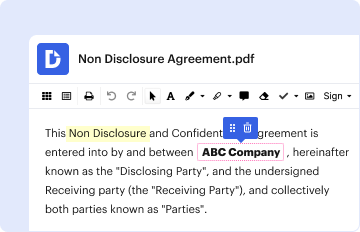
Forms online, also referred to as digital forms, are electronic documents that users can fill out and submit over the internet without the need for physical paperwork. These forms can be used across various sectors, including business, education, and government. By offering a structured method for data collection, forms online streamline processes like application submissions, surveys, and information requests. They often feature digital fields for inputting text, selecting from drop-down menus, and checking boxes, enhancing user interaction and data accuracy.
Features of Forms Online
- Fillable Fields: Enable users to input data into designated areas.
- Interactivity: Typically includes elements like checkboxes and drop-down menus.
- Automatic Submissions: Directly send data to a designated recipient or system.
- Accessibility: Accessible from any internet-enabled device.
Steps to Complete the Form Online
Filling out a form online typically involves several straightforward steps that vary depending on the platform or system being used. Here's a general guide:
-
Access the Form: Visit the website hosting the form. Links might be sent via email, or embedded on a webpage.
-
Fill in Personal Information: Start by entering personal details in the designated fields.
-
Complete Specific Sections: Address all the required sections relevant to the purpose of the form.
-
Ensure Accuracy: Double-check entries for typos or incorrect information.
-
Submit the Form: Click the submit button to send the information to the recipient.
-
Receive Confirmation: Most platforms will provide a confirmation message or email, indicating successful submission.
Tips for Effective Completion
- Ensure All Required Fields Are Filled: Forms will often have mandatory fields highlighted.
- Use Correct Formatting: Date and phone number formats vary; ensure they match the form's requirements.
Why Should You Use Forms Online
Using online forms offers several benefits over traditional paper forms, primarily due to enhanced efficiency and convenience.
- Time-Saving: Allows for instant data collection and processing, reducing the time spent on manual entry.
- Cost-Effective: Eliminates the need for printing, mailing, or physically handling paper forms.
- Environmentally Friendly: Reduces paper consumption, aiding sustainability efforts.
- Enhanced Data Management: Facilitates easier data storage, retrieval, and analysis.
Real-World Applications
- Business: Streamlines processes like onboarding, feedback collection, and order forms.
- Education: Used for student registrations, surveys, and feedback.
- Government and Compliance: Simplifies applications for permits and licenses.
Important Terms Related to Forms Online
Understanding certain terms can enhance the efficient use of online forms.
- Fillable Field: A section of the form where users input data.
- Submit Button: The function used to send the completed form.
- Data Encryption: Ensures that information inputted into forms online is secure.
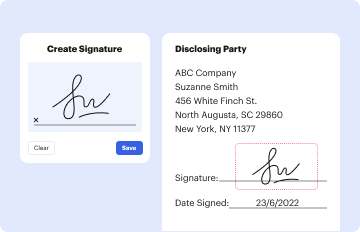
- Digital Signature: An electronic form of a signature, ensuring authenticity.
Legal Use of Forms Online
Online forms can be used to complete a variety of legal processes, provided they comply with regulations like the ESIGN Act in the United States, which gives electronic signatures the same legal standing as handwritten ones.
Compliance Guidelines
- Data Protection: Ensure that forms comply with data protection laws, such as GDPR or CCPA.
- Signature Verification: Use platforms that provide legally recognized electronic signatures.
State-Specific Rules for Forms Online
State regulations can influence the way forms are used and submitted online. It's important to understand these differences for compliance purposes.
Examples of State-Specific Guidelines
- Tax Forms: Some states have specific filing requirements and deadlines.
- Business Registrations: The forms and processes for registering a business vary by state.
Digital vs. Paper Version
While both digital and paper versions serve the same purpose, their features and benefits widely differ:
Digital Forms
- Immediate Submission: Data is sent instantly to the receiving party.
- Error Reduction: Built-in checks can alert users to missing required fields.
- Convenience: Filled out and submitted remotely.
Paper Forms
- Manual Submission Required: Must be mailed or delivered physically.
- Potential for Errors: Prone to manual input errors.
- Not Environmentally Friendly: Increases paper usage.
Integration with Software Tools
Online forms often integrate with software solutions like QuickBooks or DocHub, enabling seamless data management.
Benefits of Integration
- Automatic Data Transfer: Streamlines accounting or CRM processes by directly inputting form data into systems.
- Enhanced Workflow Efficiency: Reduces the need for repetitive data entry tasks.
- Consistent Data Storage: Centralizes information for easier access and analysis.
Examples of Using the Form Online
Real-world examples showcase the versatility of online forms across different industries.
Business Scenario
- Employee Onboarding: Use forms to collect personal details, tax information, and consent forms from new hires.
Education Scenario
- Enrollment Forms: Schools use online forms to handle student applications efficiently.
Government Scenario
- Permit Applications: Citizens apply for building permits or business licenses through state-run online portals.