Screening, Brief Intervention and Referral to Treatment ( 2026

Get Form
Screening, Brief Intervention and Referral to Treatment ( Preview on Page 1

Here's how it works

01. Edit your form online
Type text, add images, blackout confidential details, add comments, highlights and more.

02. Sign it in a few clicks
Draw your signature, type it, upload its image, or use your mobile device as a signature pad.

03. Share your form with others
Send it via email, link, or fax. You can also download it, export it or print it out.

Definition and Meaning of Screening, Brief Intervention, and Referral to Treatment (SBIRT)

Screening, Brief Intervention, and Referral to Treatment (SBIRT) is a comprehensive, integrated, public health approach designed to provide early intervention and treatment services for individuals with substance use disorders and those at risk of developing these disorders. The primary goal of SBIRT is to identify and intervene with individuals engaged in potentially risky behaviors related to substance use. The process involves three main components:

  • Screening: Quickly assesses the severity of substance use and identifies the appropriate level of treatment.
  • Brief Intervention: Focuses on increasing the individual's motivation to change their behavior through targeted, short-term counseling.
  • Referral to Treatment: Provides those identified with more serious substance use issues with access to substance abuse specialists and more appropriate care.

This approach supports individuals through multiple stages of addressing substance use concerns, aiming to prevent the more severe consequences associated with substance abuse.

Steps to Complete the Screening, Brief Intervention, and Referral to Treatment (SBIRT)

Conducting an SBIRT involves several key steps to ensure effective identification and intervention. Here’s a detailed breakdown of the process:

  1. Preparation for Screening:

    • Ensure confidentiality to create a secure environment for honest disclosure.
    • Obtain patient consent, emphasizing the voluntary nature of participation.
  2. Conducting the Screening:

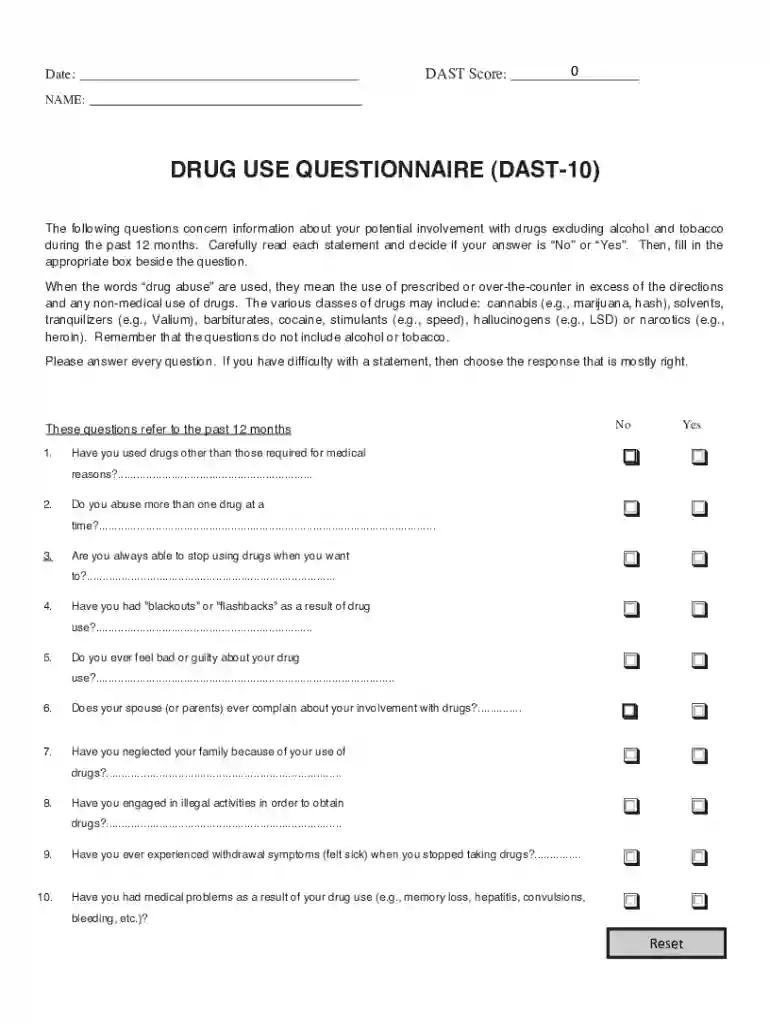
    • Use standardized screening tools (like AUDIT or DAST-10) to determine the level of risk associated with the individual’s substance use.
    • Administer the screening in a manner that is respectful and non-judgmental.
  3. Interpreting Screening Results:

    • Evaluate the results to determine the extent of risky behavior or substance use disorder.
    • Classify the risk level, from no risk to high risk, based on score thresholds.
  4. Providing a Brief Intervention:

    • Engage in a brief dialogue with the individual, focusing on feedback related to screening results.
    • Use motivational interviewing techniques to encourage a change in behavior.
  5. Referral to Treatment:

    • For individuals requiring more intensive support, refer them to specialized treatment programs.
    • Collaborate with healthcare providers to facilitate a seamless transition to formal treatment as needed.

Who Typically Uses the Screening, Brief Intervention, and Referral to Treatment (SBIRT)

SBIRT is commonly utilized by a range of healthcare professionals across various settings due to its versatility and effectiveness in addressing substance use issues. Typical users include:

  • Primary Care Providers: Family doctors, pediatricians, and internists often use SBIRT during routine health check-ups.
  • Emergency Department Staff: Nurses and physicians in emergency settings employ SBIRT for patients presenting with injuries or illnesses related to substance use.
  • Behavioral Health Professionals: Counselors and psychologists integrate SBIRT into therapeutic settings to address underlying substance abuse issues.
  • Community Health Workers: These professionals apply SBIRT in community-based interventions to reach individuals in non-clinical environments.

SBIRT's adaptability makes it a valuable tool for detecting and addressing substance use in various contexts, allowing for early intervention and support.


decoration image ratings of Dochub

Key Elements of the Screening, Brief Intervention, and Referral to Treatment (SBIRT)

Understanding the vital components of SBIRT enhances its implementation and effectiveness. Below are the key elements:

  • Efficient Screening Processes: Utilizes validated tools to quickly identify at-risk individuals.
  • Integrative Approach: Combines screening, intervention, and referral within a single systemic framework.
  • Motivational Interviewing: Employs techniques designed to evoke behavior change by helping individuals explore and resolve ambivalence.
  • Referral System: Establishes clear pathways for transitioning individuals to specialized care for more severe cases of substance misuse.

Each element works synergistically to deliver a cohesive and comprehensive intervention plan, benefiting individuals and the broader healthcare system.

Legal Use of the Screening, Brief Intervention, and Referral to Treatment (SBIRT)

SBIRT compliance with legal standards is crucial when implementing the program. Important considerations include:

  • Privacy and Confidentiality: Adhering to HIPAA regulations when handling patient information gathered during the screening and intervention process.
  • Informed Consent: Ensuring participants understand their rights and acknowledge their willingness to participate.
  • Documentation Requirements: Accurate and thorough recording of each step within the SBIRT process for accountability and future reference.

These legal requirements help maintain ethical standards and protect patient rights while enabling effective interventions in substance use disorders.

Software Compatibility for Screening, Brief Intervention, and Referral to Treatment (SBIRT)

Utilizing technology can enhance the efficiency and accessibility of SBIRT. Key compatibility considerations include:

  • Electronic Health Records (EHR): Integration with EHR systems for real-time documentation and information-sharing capabilities.
  • Screening Tools on Digital Platforms: Use of apps and online systems to conduct screenings and deliver interventions, ensuring wider reach to patients.
  • Telehealth Platforms: Facilitates remote implementation of SBIRT, especially useful in areas with limited access to healthcare services.

These technological advancements support the seamless delivery of SBIRT initiatives, broadening their scope and impact.

Examples of Using the Screening, Brief Intervention, and Referral to Treatment (SBIRT)

SBIRT has been effectively utilized across various scenarios. Examples include:

  • College Health Services: Screening students during health evaluations to identify risky drinking behaviors and provide early interventions.
  • Workplace Wellness Programs: Employers incorporating SBIRT in health assessments to support employee well-being and productivity.
  • Veteran Health Care: Conducting SBIRT interviews in VA hospitals to address issues of substance abuse common among veterans, ensuring timely referrals to appropriate treatment facilities.

Each example showcases how SBIRT offers tailored support to diverse groups, enhancing community health outcomes.

State-Specific Rules for the Screening, Brief Intervention, and Referral to Treatment (SBIRT)

Implementation of SBIRT can vary based on state regulations and guidelines. Important state-specific considerations include:

  • Funding Provisions: Availability of state funds or grants to support SBIRT programs in healthcare facilities.
  • Regulatory Guidelines: Variation in state policies concerning confidentiality and mandatory reporting when engaging in SBIRT processes.
  • Training Requirements: State-specific certifications or educational requirements for healthcare providers administering SBIRT.

Recognizing these differences is essential for ensuring compliance and maximizing the effectiveness of SBIRT across state lines.

be ready to get more

Complete this form in 5 minutes or less

Get form

Got questions?

We have answers to the most popular questions from our customers. If you can't find an answer to your question, please contact us.
Contact us
The 5 Ps Integrated Screening Tool is a quick, non-threatening, and effective screening tool for pregnant persons that asks about use of alcohol and drugs as well as depression, violence, and tobacco. It provides clear guidelines for use and follow up recommendations.
SBIRT is a comprehensive, integrated, public health approach to the delivery of early intervention and treatment services for persons with substance use disorders, as well as those who are at risk of developing these disorders.
- Detects health problems related to at-risk substance use at an early stage before acute or chronic disease result. - Provides the opportunity to reinforce positive behavior by persons who screen negative. - Prompts assessment of persons who screen positive for at-risk substance use.
THE PHASES OF SBIRT Example of a SBIRT Conversation Phase 1. ESTABLISH RAPPORT AND ADMINISTER ASSESSMENTS. Phase 2. ELICIT THEIR THOUGHTS. PROVIDE FEEDBACK AND EDUCATION. Phase 3. ASSESS AND ENHANCE MOTIVATION USING THE READINESS RULER. Phase 4. NEGOTIATE A PLAN, SUMMARIZE AND END ON A POSITIVE NOTE.
This screening tool consists of frequency of use questions to categorize substance use by adolescent patients into different risk categories. The accompanying resources assist clinicians in providing patient feedback and resources for follow-up.

Security and compliance

At DocHub, your data security is our priority. We follow HIPAA, SOC2, GDPR, and other standards, so you can work on your documents with confidence.

Learn more
ccpa2
pci-dss
gdpr-compliance
hipaa
soc-compliance

People also ask

Brief intervention includes screening or identification whereby a persons drinking risk level is assessed using a validated tool such as the Alcohol Use Disorders Identification Test (AUDIT). This is then followed by some degree of feedback on this assessment.
The six common elements of BIs are summarized by the acronym FRAMES, consisting of Feedback, Responsibility, Advise, Menu for change, Empathy, and enhancing Self-efficacy.
The person delivering the brief intervention is usually trained to be empathic, warm, and encouraging rather than confrontational. Brief interventions are typically conducted in face-to-face sessions, with or without the addition of written materials such as self-help manuals, workbooks, or self-monitoring diaries.
The five major steps to intervention are the 5 As: Ask, Advise, Assess, Assist, and Arrange. Ask - Identify and document tobacco use status for every patient at every visit.
The six common elements of BIs are summarized by the acronym FRAMES, consisting of Feedback, Responsibility, Advise, Menu for change, Empathy, and enhancing Self-efficacy. BI has also been strategically combined with referral to appropriate treatment services.

Related links