Definition & Meaning
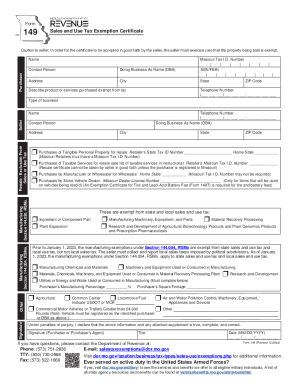
The "tc 721a" is a Sales and Use Tax Exemption Affidavit provided by the Utah State Tax Commission. This form allows purchasers to apply for a tax exemption on certain purchases, including vehicles, boats, trailers, or outboard motors, which are not registered in Utah. The form is used to certify eligibility for the exemption under specific conditions, while ensuring that the intended use aligns with the criteria set forth by the state. Primarily, it acts as a legal document facilitating tax-related compliance for qualifying transactions outside Utah.
Purpose and Utilization
The form serves as an official exemption request, enabling individuals or businesses to avoid paying Utah sales tax on qualifying purchases. To avail of this benefit, applicants must demonstrate that the items in question are used in a manner that complies with the established guidelines. For example, if a business purchases an outboard motor for exclusive use in another state, a properly completed tc 721a certifies exemption from Utah sales tax.
How to Use the TC 721A
To effectively utilize the tc 721a, you must first determine if your purchase qualifies for a sales tax exemption. The form is straightforward, but requires careful attention to detail to ensure compliance and avoid processing delays.
Step-by-Step Completion Process
-
Gather Necessary Information: Ensure you have all required details, including purchaser and seller information, as well as complete descriptions of the items involved in the transaction.
-
Complete Purchaser Details: Fill out your personal or business information accurately, including the name, address, and contact details.
-
Describe the Property: Provide a detailed description of the property being purchased. This should include make, model, serial number, and any other relevant identifiers.
-
Select Exemption Reason: Check the applicable exemption reason that justifies your claim. Ensure it aligns with the usage provisions outlined by the Utah State Tax Commission.
-
Certification: Sign the affidavit at the designated space, certifying that all statements are correct, and you meet the exemption criteria.
-
Submission: Submit the form to the relevant sales office or tax authority as dictated by your point of purchase.
How to Obtain the TC 721A
The tc 721a form is easily accessible through several channels, ensuring convenience for applicants.
Where to Find the Form
- Online Download: Visit the Utah State Tax Commission website to download the form directly. Ensure you download the latest version to stay compliant with any updates.
- Physical Copies: Forms can be obtained in person at Utah State Tax Commission offices or authorized dealership locations selling exempted items like vehicles or boats.
Steps to Complete the TC 721A
The process of filling out the tc 721a form requires diligence to guarantee the application is comprehensive and error-free.
Detailed Guidelines
- Proof Reading: Double-check all entries to avoid typographical errors, which could lead to delays.
- Accurate Descriptions: Ensure descriptions are thorough, providing less room for ambiguity or misinterpretation.
- Attach Necessary Documentation: Supporting documents such as bills of sale or purchase agreements should be included if specified under exemption criteria.
- Follow State-specific Instructions: Each state may have unique guidelines that dictate how forms are filled; always consult the latest directives from the Utah State Tax Commission.
Who Typically Uses the TC 721A
Understanding the typical users of the tc 721a can help emphasize its importance and utility.


Common User Profiles
- Businesses: Companies that purchase vehicles or equipment for out-of-state use commonly employ this exemption to manage costs.
- Dealerships: Auto and marine dealers may use the form when selling to buyers qualifying for an exemption.
- Frequent Travellers: Individuals who frequently move or operate across state lines may complete this affidavit for motor vehicles acquired in Utah but used outside.
Real-World Scenarios
Consider a construction firm expanding projects across state lines; by accurately filing the tc 721a, it avoids unnecessary tax liabilities on specific equipment meant for out-of-state use.
Important Terms Related to TC 721A
The form comes with specific language and terminologies that users must understand for proper execution.
Key Terminology
- Exemption: The removal of the obligation to pay sustained on demonstrating compliance with certain legal requirements.
- Affidavit: A sworn statement of fact voluntarily made by an affiant or deponent under an oath or affirmation administered by a person authorized to do so by law.
- Tax Commission: The authoritative body responsible for enacting tax legislation and monitoring compliance in Utah.
This understanding aids in the meticulous preparation and submission of the form, boosting approval chances.
Key Elements of the TC 721A
For an effective affidavit submission, certain elements of the tc 721a must be meticulously accounted for.
Critical Parts of the Form
- Accuracy of Applicant's Information: Complete and precise filling of personal or business information ensures associational clarity.
- Clear Exemption Justification: The reason selected for exemption must be coherent and supported by pertinent documentation.
Supporting Documentation
- Proof of Out-of-State Operation: Such as contracts, letters of intent, or project lists showing intended out-of-state use.
Understandably, these elements form the foundation for an error-free application process.
State-specific Rules for the TC 721A
Each state may have distinctive regulations that impact the use of the tc 721a. It's crucial to recognize these to ensure proper adherence.
Utah Guidelines
- Compliance with Utah Tax Codes: Verify that your unique circumstance aligns with Utah's exemption criteria, potentially requiring consultation with a tax professional if necessary.
Variations in Other States
- Out-of-State Operations: Consider that while the form pertains to Utah purchases, the tax codes in your state of residence must be factored into any long-term compliance strategies.