01. Edit your form online
Type text, add images, blackout confidential details, add comments, highlights and more.

Type text, add images, blackout confidential details, add comments, highlights and more.

Draw your signature, type it, upload its image, or use your mobile device as a signature pad.

Send it via email, link, or fax. You can also download it, export it or print it out.
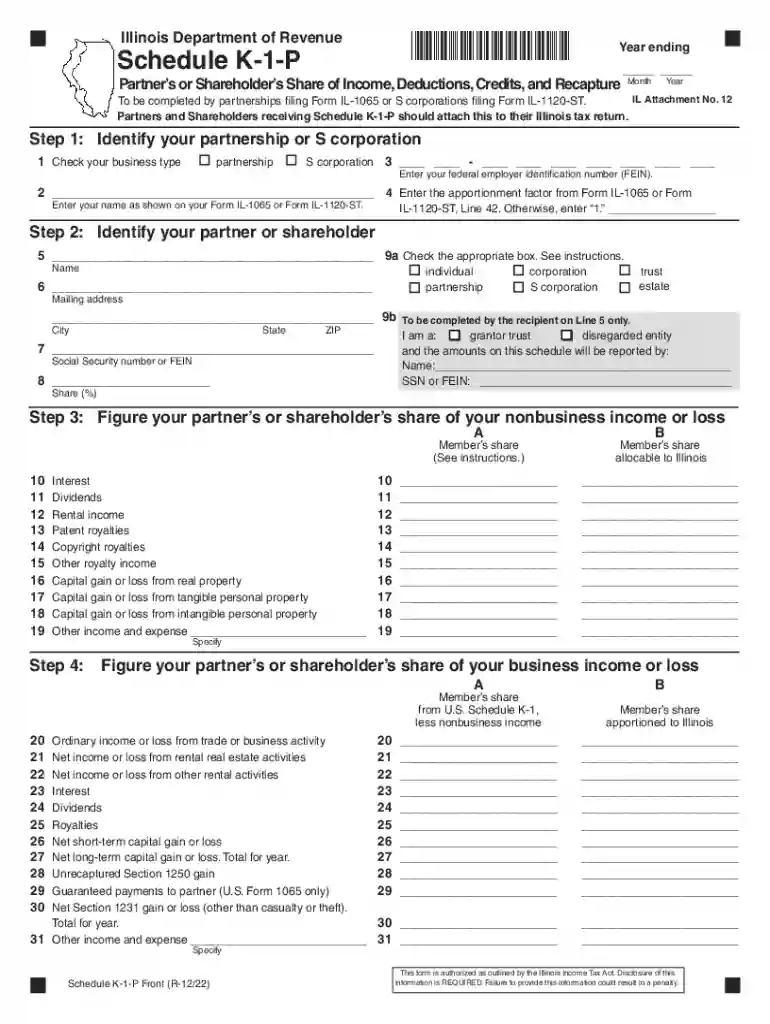
Form EG-13-B, issued by the Illinois Department of Revenue, is a certification document used by businesses to claim exemptions from certain taxes. This form is a vital tool for businesses seeking to ensure compliance with tax regulations while leveraging specific exemptions that may ease their overall tax burden. It primarily serves corporations or other business entities operating within Illinois, allowing them to certify their eligibility for tax relief under specified conditions.
Businesses can acquire Form EG-13-B directly from the Illinois Department of Revenue’s official website. The form is available in both digital and paper formats. For those who prefer to complete forms digitally, downloading a PDF version allows for electronic completion and submission, which can save time. Alternatively, businesses may contact the department by phone or visit a local office to request a physical copy. Ensuring that the latest version of the form is used is critical, as tax laws and form requirements are subject to changes.
Filling out Form EG-13-B requires careful attention to detail to accurately reflect the business’s eligibility for tax exemptions. Follow these steps:
Completing all sections accurately is crucial for the form's acceptance and the validation of the claimed exemptions.
The primary users of Form EG-13-B are businesses operating within Illinois. These entities can range from small sole proprietorships to large corporations. Typically, companies engaged in manufacturing, retail, or other sectors where specific transactions may be exempt from sales tax are frequent users. Nonprofit organizations may also use this form to certify their tax-exempt status on applicable purchases or income.


The Form EG-13-B consists of several critical components which must be accurately filled out:
Each element of the form is designed to ensure that businesses can effectively communicate the basis of their exemption claim.
Legally, Form EG-13-B must be used in adherence to the guidelines set forth by the Illinois Department of Revenue. Misrepresentation or inaccuracies in the form could result in penalties, including fines or revocation of the claimed exemptions. It is imperative for businesses to ensure that all details are correct and truthful, and that the form is submitted within the specified deadlines to avoid legal repercussions.
Illinois has particular regulations governing the use of Form EG-13-B, influencing how tax exemptions are applied. These can include limitations on the types of transactions eligible for exemption and conditions under which exemptions can be granted. Understanding state-specific rules is essential, as they dictate the form's applicability and affect business compliance. Consultation with a tax professional or legal advisor familiar with Illinois tax law can provide clarity and help avoid unwarranted pitfalls.
Failure to comply with the requirements for Form EG-13-B may result in significant penalties. These can vary based on the severity of the non-compliance, ranging from financial penalties to the retroactive nullification of claimed exemptions, resulting in additional tax liabilities. The Illinois Department of Revenue may also subject businesses to audits or legal actions if they find discrepancies in reported information. Timely and accurate completion of the form is non-negotiable to avoid these adverse outcomes.
Timeliness is key when filing Form EG-13-B. The Illinois Department of Revenue sets specific deadlines by which the form must be submitted to qualify for exemptions in the applicable tax period. Missing these deadlines can negate the benefits of the exemption, resulting in unexpected financial liabilities. It's advisable for businesses to mark these dates on their calendar to ensure they remain compliant and maintain their tax benefits.
We've got more versions of the Form EG-13-B - Illinois Department of Revenue form. Select the right Form EG-13-B - Illinois Department of Revenue version from the list and start editing it straight away!
At DocHub, your data security is our priority. We follow HIPAA, SOC2, GDPR, and other standards, so you can work on your documents with confidence.