




Definition and Meaning of Form Online
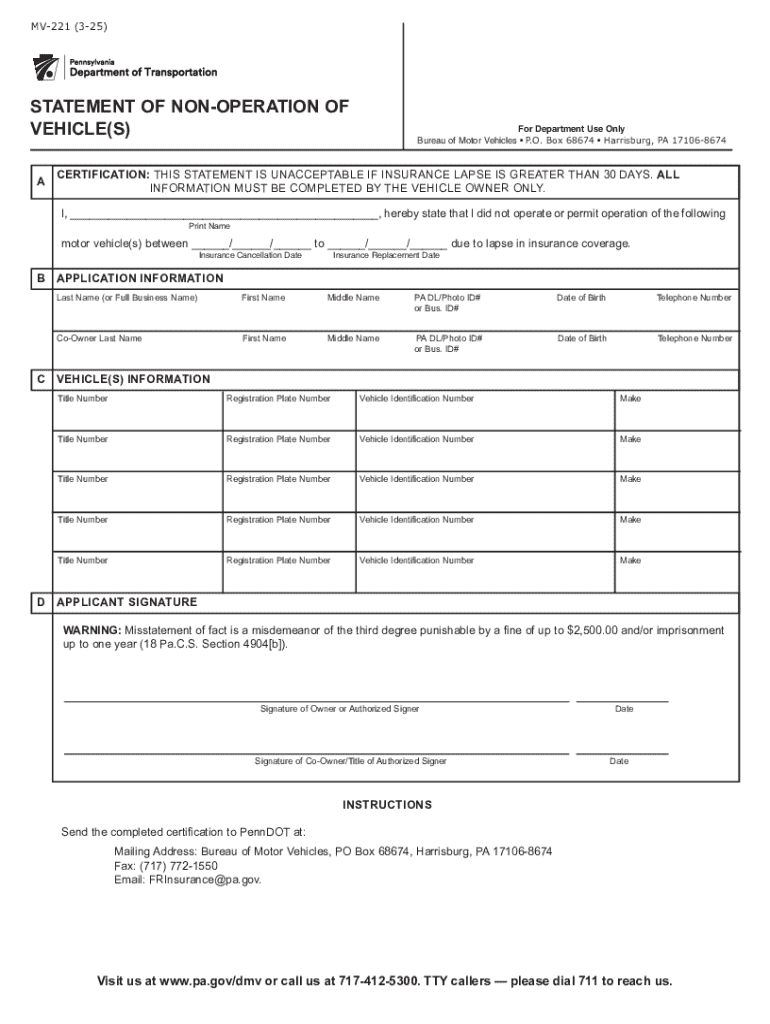
The term "form online" refers to a digital document or template that can be accessed, filled out, and submitted through an internet platform. This digital transformation of traditional paper forms allows for easier data entry, more efficient handling, and quicker processing. Forms can range from simple surveys to complex legal documents, accommodating various purposes across different industries and sectors.
Steps to Complete the Form Online
- Access the Form: Locate the form you need on the relevant website or document management platform.
- Fill Out Required Fields: Enter all necessary information in the specified fields. Pay close attention to ensure accuracy and completeness, as incomplete forms may be rejected.
- Attach Required Documents: If the form requires supporting documents, upload these files directly on the platform.
- Review and Verify: Carefully review all entered information for correctness before finalizing the form.
- Submit the Form: Once verified, submit the form through the online system. Confirmation of submission is typically provided via email or webpage notification.
How to Obtain the Form Online
Securing the right online form involves a few straightforward steps:
- Identify the Source: Determine the authoritative source that provides the form you need, such as a government agency’s website or a document management service like DocHub.
- Search for the Form: Use search functionality on the platform or browse specific categories to locate the required form.
- Download or Open: Some platforms may allow you to download the document for offline use, while others enable direct editing and submission within the browser.
Legal Use of the Form Online
Filling out forms online is legally recognized and offers numerous advantages:
- Efficient Record-Keeping: Digital forms provide an easily accessible audit trail, crucial for compliance with legal standards.
- Enhanced Security: Platforms utilize encryption and secure authentication methods to protect sensitive data during form submission.
- Legal Compliance: Many platforms comply with laws such as the Electronic Signatures in Global and National Commerce Act (ESIGN Act), ensuring that electronic signatures and submissions are as legally binding as their paper counterparts.
Why Should You Form Online
Choosing to form online offers several benefits:
- Time Savings: Online forms can be completed and processed more quickly than traditional paper forms, reducing the overall time commitment.
- Cost Efficiency: Eliminating paper reduces printing and postage costs, and decreases the time spent on manual data entry.
- Access Anytime, Anywhere: Unlike paper forms, online forms can be filled and submitted from any location with internet access, providing flexibility for remote work or multi-location operations.
Important Terms Related to Form Online
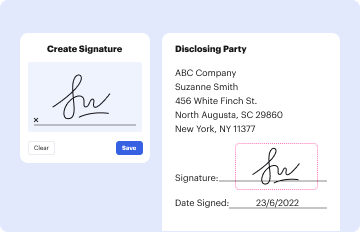
- Digital Signature: An electronic method of signing a form that ensures the authenticity and integrity of the document.
- Encryption: A security measure used to protect data transmitted via online forms.
- Interactive Template: A digital document design that allows for user input and adapts based on this input.
- OAuth 2.0: An authorization framework that enables secure access to user data, often used in form submission platforms.
State-Specific Rules for the Form Online
Each state may have specific regulations and requirements for using and submitting forms online:
- Submission Requirements: States may dictate precise formats for online submissions, such as specific file types or electronic signatures.
- Data Protection Laws: Varying state laws impact how data collected through online forms is to be handled and stored.
- Regulatory Compliance: Specific forms, especially legal or tax-related, must comply with distinct state statutes and guidelines.
Key Elements of the Form Online
Online forms typically include several key components:
- Header Information: Includes form title, date, and identification number.
- Instruction Section: Provides guidance on how to fill out the form correctly.
- Form Fields: Sections for user input, such as text boxes for personal information, checkboxes, and dropdown selections.
- Submission Button: A feature that, when clicked, submits the form to the appropriate party.
Taxpayer Scenarios: Self-Employed and Students
Different user groups may have specific interactions with online forms:
- Self-Employed Individuals: Often use online forms for tax filings, business registration, and contract agreements.
- Students: May encounter online forms for applications, financial aid, and compliance-related submissions such as health records.
In each situation, online forms offer streamlined processes, improved accuracy in data collection, and more efficient communication with governing entities or institutions.