





Definition & Meaning
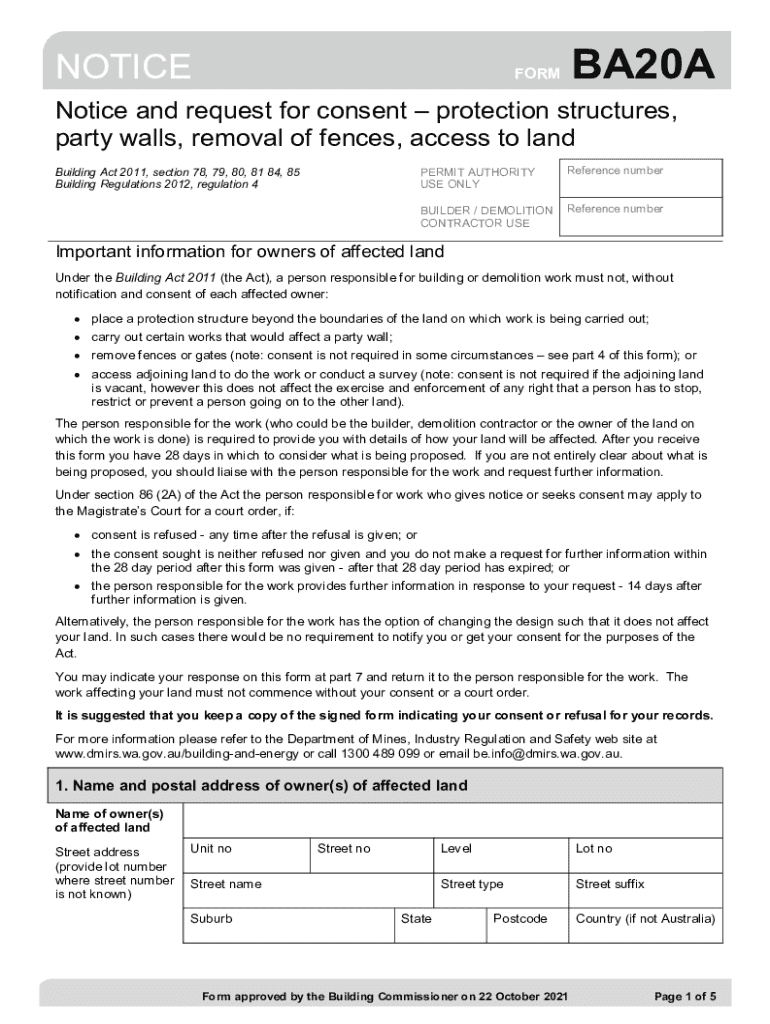
The concept of "form online" refers to electronic versions of documents that individuals or businesses complete and submit through the internet. These forms can range from simple contact information submissions to complex legal and regulatory documents. The transition from paper to online forms streamlines processes by reducing manual entry errors and processing time. Online forms are widely used across various sectors, including finance, healthcare, education, and government, providing a convenient and efficient way to collect and manage data.
How to Obtain the Form Online
Obtaining a form online typically involves several straightforward steps across different platforms:
- Visit the Relevant Website: Identify and navigate to the website of the organization that issues or hosts the form.
- Search for the Needed Form: Use the website’s search functionality or browse through categories to locate the specific form you need.
- Download or Fill Out Directly: Many forms can be filled out directly on the website or downloaded for offline completion. Ensure your software is compatible if you choose to download.
- Create an Account if Required: Some forms may require you to sign up or log in to an existing account to access or submit the form. This step offers added layers of customization and tracking for your submissions.
Steps to Complete the Form Online
Completing a form online involves several key steps to ensure accuracy and successful submission:
- Gather Necessary Information: Before starting, ensure you have all required details at hand, such as personal identification numbers, addresses, and any supporting documents.
- Access the Form: Open the form using an updated web browser or compatible software if the form requires special handling.
- Fill in the Fields: Input the required information in each field. For fields you’re unsure about, check the form’s instructions or frequently asked questions (FAQs) section.
- Review Your Entries: Double-check all information for accuracy. Pay special attention to auto-populated fields, as they may need manual correction.
- Submit the Form: After ensuring all information is correct, click the submit button. Keep a confirmation or receipt of submission if available.
Why Should You Form Online
The advantages of completing forms online are manifold, providing benefits that largely outweigh traditional methods:
- Efficiency: Online forms are quicker to fill out and submit than paper forms, reducing turnaround times for completion and acceptance.
- Error Reduction: Digital forms often include validation features that prevent errors by verifying entries before submission.
- Cost-Effectiveness: There is no need for printing and mailing, reducing costs significantly.
- Convenience: Forms can be accessed and submitted at any time and from any location with internet access, providing flexibility that paper forms cannot match.
Legal Use of the Form Online
Using forms online complies with various legal standards that ensure they are as valid as their paper counterparts. Key aspects include:
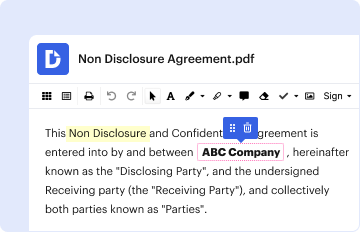
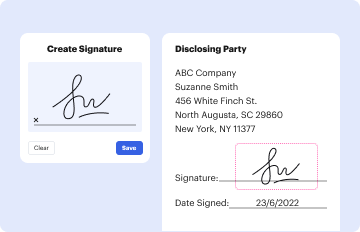
- Electronic Signatures: Forms that require signatures can be electronically signed, which are legally binding under laws such as the ESIGN Act.
- Data Protection: Organizations providing online forms often adhere to strict data privacy laws to protect the information submitted.
- Audit Trails: Many platforms retain comprehensive logs of form submission activities, providing a record of actions taken, which can be useful for legal verification.
Key Elements of the Form Online
Forms online generally consist of several integral components:
- Input Fields: Areas where you provide necessary information, such as names, dates, and numbers.
- Instructions and Tooltips: Guides and tips scattered throughout to help users understand what is required.
- Submit and Reset Buttons: These allow users to send completed forms or clear entries to start over.
- Confirmation Messages: Notifications that inform users whether submission was successful or if there’s a need to correct entries.
Examples of Using the Form Online
Online forms are essential in various scenarios, facilitating different processes:
- Tax Filings: Online tax submissions through forms like the IRS 1040 streamline compliance with tax regulations.
- Job Applications: Companies commonly use online forms for applicants to submit their credentials efficiently.
- Event Registrations: Forms enable streamlined registration processes for conferences, webinars, and other events.
- Surveys and Feedback: Online forms are frequently used to gather opinions and suggestions from clients or employees.
Software Compatibility
Compatibility with various software platforms ensures that online forms can be easily accessed and completed:
- Common Integration with Tools: Platforms like TurboTax and QuickBooks frequently support direct form filing, easing tax-related tasks.
- Web Browser Requirements: Ensure your browser is up-to-date for the best user experience, as outdated browsers might not support certain features.
- PDF Readers: Forms often come in PDF format, requiring robust PDF software for full functionality, such as Adobe Acrobat Reader or similar tools.
State-Specific Rules for the Form Online
Different states may have varying rules for online form submissions, impacting their completion and submission:
- State Regulations: Some forms require compliance with specific state laws affecting data handling or submission requirements.
- Variations in Required Information: Information requested may differ based on local regulations or administrative needs.
- Submission Portals: States might have distinct portals for form submission, and accessing these in the correct jurisdiction ensures compliance.
Penalties for Non-Compliance
Failing to correctly complete or submit online forms within the stipulated guidelines can result in:
- Fines and Penalties: Non-compliance can attract financial penalties, especially for tax-related forms.
- Processing Delays: Incomplete or incorrect forms may extend processing times, delaying the benefits they provide.
- Legal Repercussions: For critical documents, incorrect submissions may lead to legal challenges or responsibilities.
Digital vs. Paper Version
Both digital and paper versions have distinct features, but online forms are increasingly preferred:
- Accessibility and Storage: Online forms can be saved and accessed easily in digital archives, whereas paper forms require physical storage.
- Environmental Impact: Digital forms reduce paper use, benefiting environmental conservation efforts.
- Real-Time Updates: Online versions can be updated in real time, allowing immediate access to the latest templates and instructions, unlike static paper forms.