





Definition and Meaning of Form Online
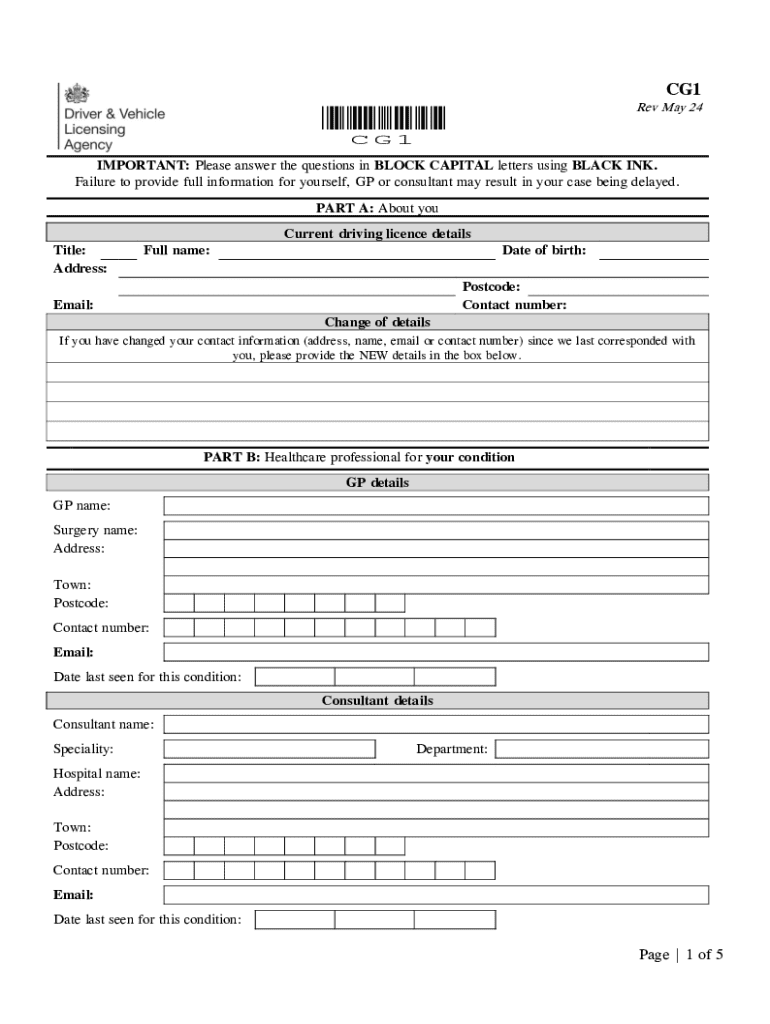
Form online refers to any document-based format that can be completed, submitted, or processed over the internet. This transition from traditional paper-based processes to digital platforms is redefining how individuals and businesses interact with various types of forms. The advent of online forms facilitates faster data entry, more accessible distribution, and efficient data management. These forms can range from simple contact information sheets to complex government documents, accommodating diverse needs across different sectors. By allowing integration with tools like DocHub, online forms help streamline workflows and support broader file compatibility, simplifying how forms are handled.
How to Use the Form Online
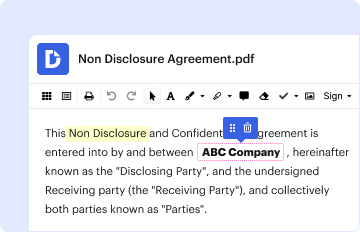
Using an online form involves accessing, completing, and submitting it digitally. Start by opening the relevant form via a platform like DocHub, which provides a user-friendly interface for editing and submitting forms. Ensure you have all necessary information on hand to complete the form accurately. The software typically offers tools for filling text fields, checking boxes, and inserting signatures directly online, enhancing ease of use. After completing the form, you can review all entries for accuracy and completeness before submission. Many platforms also allow saving a copy of the filled form for your records, ensuring that you retain proof of submission.
How to Obtain the Form Online
To obtain a form online, you typically need to visit the website of the issuing body or service provider, such as a government agency or business platform like DocHub. Most organizations provide downloadable PDFs or interactive forms that can be saved directly onto your device or cloud storage. Some forms might be accessible through specific portals requiring user credentials. Once downloaded, these forms can be filled in using document-editing software or web-based applications. Ensure that your device is compatible with the file format, such as DOC or PDF, to facilitate smooth access and editing.
Steps to Complete the Form Online
- Access the Form: Visit the relevant website or portal to locate and open your online form.
- Fill In Required Fields: Use an editor like DocHub to insert information into designated fields.
- Check for Completeness: Ensure all mandatory sections are filled and review for any errors.
- Add Attachments if Necessary: Certain forms may require additional documents; attach these as instructed.
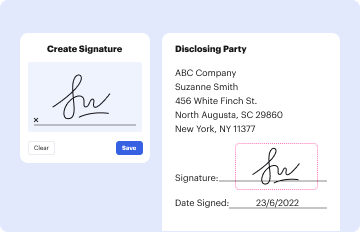
- Sign the Form: Use electronic signature tools to sign where required, ensuring legal compliance.
- Submit the Form: Once thoroughly reviewed, submit the form through the designated online platform.
- Save a Copy: Download or save a version of the completed form for your records.
Benefits of Using Form Online
Opting to form online provides numerous advantages over traditional paper forms. The primary benefit is the increased efficiency in handling and processing data. Online forms reduce errors associated with manual data entry and offer immediate validation for required fields. Environmental considerations, such as decreasing paper use, also play a role in favoring digital forms. Furthermore, online forms facilitate easier collaboration among multiple users, supporting real-time updates and ensuring everyone accesses the most current version. These features make them particularly beneficial for businesses and organizations that require frequent form submissions and approvals.
Legal Use and Compliance of Form Online
Online forms are designed to meet legal standards and provide a compliant method for collecting information, especially when they involve sensitive data such as electronic signatures. Adherence to regulations, like the Electronic Signatures in Global and National Commerce (ESIGN) Act in the United States, ensures that digital signatures are legally binding. Platforms like DocHub incorporate robust authentication methods and encryption to safeguard data integrity and privacy. When dealing with forms related to legal, financial, or governmental matters, ensuring compliance with specific legal requirements is essential to uphold the legitimacy and enforceability of the collected information.
Key Elements of the Form Online
Online forms typically consist of a few key elements that facilitate their completion and submission:
- Text Fields: Areas for inputting personal or business details, such as names, addresses, or service descriptions.
- Check Boxes and Radio Buttons: Options that allow for multiple-choice selections, used for confirming certain conditions or choices.
- Dropdown Menus: Predefined option lists enabling users to select specific responses.
- Signature Fields: Sections designated for electronic signatures, validating the submitter's identity.
- Upload Buttons: Features that allow the addition of necessary documents or supporting files.
Each of these elements is customizable, making it possible to tailor forms to specific purposes while maintaining usability and clarity.
State-Specific Rules for the Form Online
Different states may have varying regulations and conditions for completing and submitting online forms, especially concerning government-related documentation. It's crucial to be aware of state-specific requirements that might affect the form's legal validity and acceptance. For example, tax forms or legal documents might have unique submission guidelines or deadlines dependent on state laws. Using an online form platform that provides guidance or pre-fills certain fields based on geographic location can simplify this process. Remaining informed about these variations ensures compliance and reduces the risk of rejection due to procedural errors.
Examples of Using the Form Online
Practical examples of using online forms span across various industries and applications. Businesses often use them for processing client information, contract agreements, or employee onboarding documents. In healthcare, online forms streamline patient intake, consent agreements, and medical history documentation. Educational institutions leverage online forms for student enrolment, feedback surveys, and assessment submissions. In government settings, they facilitate streamlined tax filings, license applications, and census data collection. Each example illustrates how online forms enhance efficiency and data accuracy, reducing the administrative burden associated with traditional paper-based processes.