





Definition and Meaning of Form Online
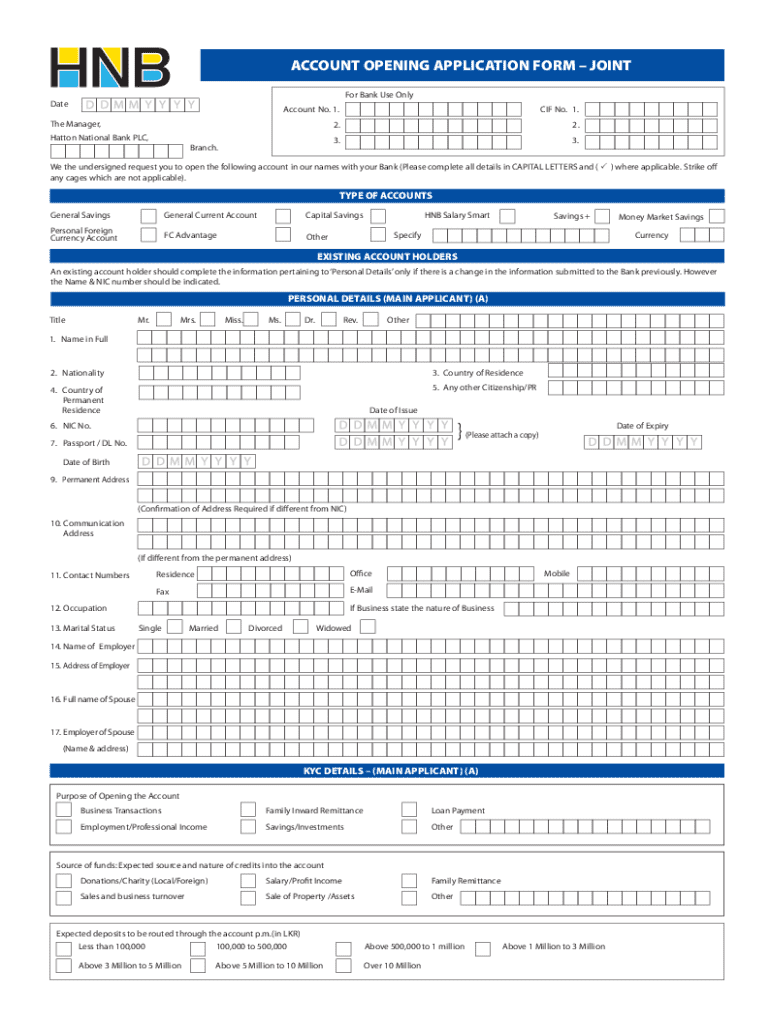
"Form online" refers to the electronic method of acquiring, completing, and submitting various forms—such as tax documents, application forms, or legal papers—via an internet-enabled platform. These forms enable users to perform actions traditionally conducted on physical paper, offering the convenience of being accessed from anywhere. Online forms are designed for a broad array of purposes, allowing individuals and businesses to manage essential documentation efficiently. Whether you're filing taxes or applying for a service, filling forms online streamlines the process, often integrating functionalities like electronic signatures and automated data entry.
Benefits of Using Forms Online
- Accessibility: Forms can be filled out and submitted from any location, provided there's internet access.
- Efficiency: Saves time compared to traditional methods, eliminating the need to mail or hand-deliver paper forms.
- Environmentally Friendly: Reduces paper use, contributing to sustainability efforts.
- Cost-Effective: Often reduces or eliminates postage and printing costs.
How to Use the Form Online
When using an online form, it's essential to interact with the digital interface correctly to ensure accurate data submission. Users should begin by accessing the platform hosting the form. For instance, on a platform like DocHub, users can easily input their information into predefined fields.
Steps to Use an Online Form
- Access the Platform: Navigate to the document-hosting platform, such as a bank's website or a government portal.
- Select the Form: Locate the specific form needed, using search tools if necessary.
- Input Information: Enter data directly into the designated fields, ensuring accuracy.
- Review Entries: Double-check all information before submitting to confirm that all necessary fields are completed.
- Submit Form: Once reviewed, submit the form by clicking the designated button, usually labeled "Submit" or "Send."
Platforms Offering Online Form Services
- DocHub: Known for its intuitive interface, offering tools for editing, annotating, and signing documents.
- Adobe Acrobat: Provides comprehensive PDF form filling and signing functionalities.
- Google Forms: Ideal for creating custom forms for surveys and data collection.
Steps to Complete the Form Online
Completing an online form requires attention to detail to ensure all information is accurate and complete. The following process guides users through filling out an online form effectively.
Detailed Process
- Initiate the Form Process: Choose the correct form based on your needs—be it personal, business, or legal.
- Account Setup (if applicable): Some platforms require account creation or login to proceed.
- Fill Out Mandatory Fields: Enter information into mandatory sections first to avoid missing crucial data.
- Utilize Optional Fields: Provide additional information if applicable, as it may enhance the form's effectiveness.
- Add Attachments: Upload any required documents, photos, or supporting files directly to the form.
- Verify Information: Go through all entered data, utilizing the platform’s review tools to catch errors.
Common Challenges and Solutions
- Technical Issues: Ensure a stable internet connection or switch browsers if issues persist.
- Incomplete Submissions: Double-check that all fields, especially those marked necessary, are complete.
Key Elements of the Form Online
Online forms vary in complexity and structure, but some critical elements are common across different types.
Common Components
- Form Title and Purpose: Clarifies the form's intent and mandatory submission criteria.
- User Instructions: Guides on how to properly fill out and submit the form.
- Data Fields: Spaces for entering pertinent information such as name, address, and contact details.
- Signature Section: Includes options for inserting electronic signatures for authenticity and compliance.
- Submission and Confirmation: Provides confirmation of receipt once the form is successfully submitted.
Importance of Each Element
- Form Title and Purpose: Establishes the context and expectations for users.
- Data Fields: Capture essential information needed to process requests or requirements.
- Signature Section: Ensures the form's legal validity, especially in contracts or agreements.
Legal Use of the Form Online
Utilizing online forms often involves navigating various legal considerations to ensure compliance and data protection, including using electronic signatures.
Legal Considerations
- Compliance with ESIGN Act: Online forms, especially those requiring signatures, must comply with the ESIGN Act to be recognized legally.
- Data Privacy Laws: Ensure that forms collect information in line with privacy regulations, such as GDPR or state-specific laws like the California Consumer Privacy Act.
- Terms and Conditions: Users must often agree to specific terms before submitting forms, addressing data use policies.
Example Legal Scenarios
- Contract Signing: Utilizing online forms for legally binding contracts in business transactions.
- Government Applications: Submitting vital government documents like tax forms online for streamlined processing.
Software Compatibility and Integration
Using an online form on platforms capable of seamless integration with other software significantly enhances user experience, especially concerning document management.
Compatible Software Platforms
- TurboTax and QuickBooks: Popular for integrating tax-related forms, streamlining information transfer between accounting and tax preparation software.
- Google Workspace: Integrates smoothly with applications like Google Drive for easy access and storage.
Benefits of Integration
- Streamlined Workflows: Automatic syncing of data across multiple applications reduces redundancy.
- Enhanced Accessibility: Users can access forms across different platforms, like mobile and desktop devices, without compatibility issues.
State-Specific Rules for the Form Online
Different states in the U.S. may have unique rules regarding certain forms, impacting how these forms need to be completed and submitted online.
Examples of State Variations
- Tax Forms: States like California may require additional documents or information due to differing tax codes.
- Business Licenses: Requirements for business registration forms can vary widely from state to state.
Handling Diverse Regulations
- Research Requirements: Investigate specific state regulations before completing forms.
- Consult Local Agencies: Many states provide guidance on their official websites or through assigned regional offices.
Examples of Using the Form Online
Online forms serve various purposes in personal, professional, and legal contexts. Understanding these use cases helps optimize their implementation.
Practical Applications
- Business Applications: Filling out forms to apply for trade licenses or file compliance documents.
- Personal Use: Online forms to apply for services, memberships, or educational programs.
- Legal Documents: Drafting and sending legally binding agreements that require both parties’ signatures, streamlined through electronic platforms.
Benefits and Challenges
- Efficiency Gains: Reduces manual effort, offering rapid transaction completion.
- Potential Errors: Ensuring data is entered correctly can sometimes be challenging without the right tools or guidance.