







Definition and Meaning of the Document
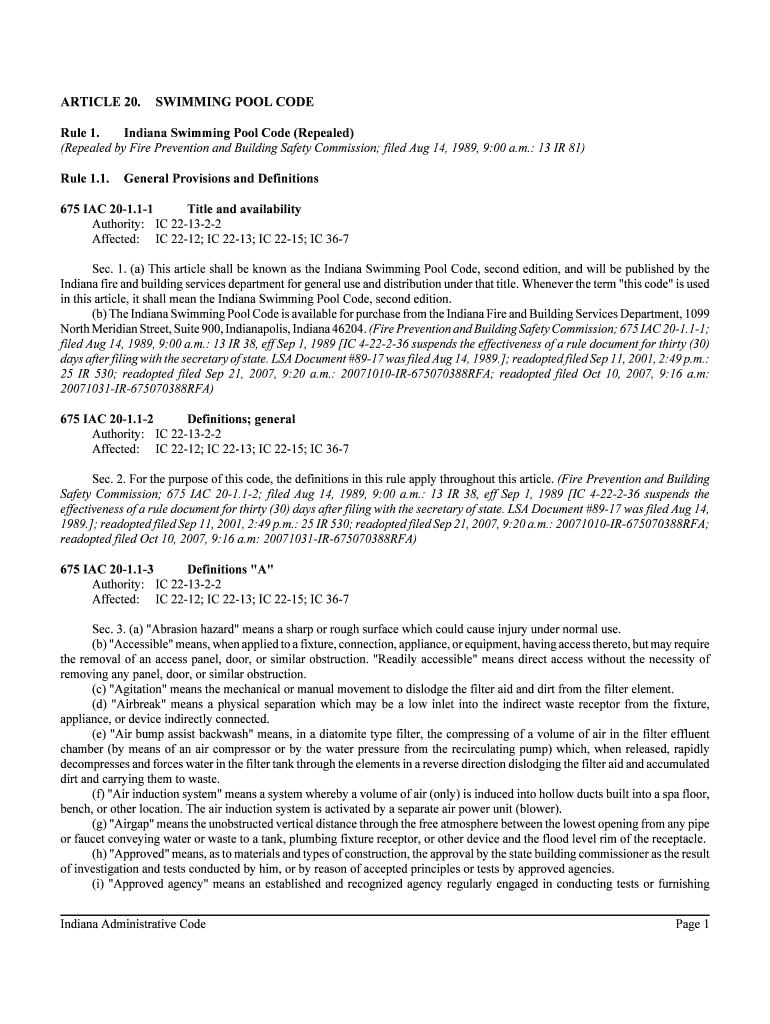
The document marked as "(Repealed by Fire Prevention and Building Safety Commission; filed Aug 14, 1989, 9:00 a" signifies that a specific legislative or regulatory measure was officially withdrawn or annulled by the Fire Prevention and Building Safety Commission as of August 14, 1989. This means that any rules, obligations, or standards previously in place under this regulation are no longer legally binding or in effect. The repeal might suggest an overhaul, replacement, or obsolescence of the procedures that were initially governed by this regulation. Understanding the context and history of such repeals can be important for professionals working in areas related to building safety and fire prevention.
Key Elements of the Document
Understanding the core components that were initially part of the repealed document can provide insights into what regulations or standards were modified or rescinded:
- Regulatory Scope: Defines which areas of fire safety or building regulations the document initially covered, such as construction standards, fire prevention measures, or safety protocols.
- Compliance Requirements: Details what actions or conditions were required to be met when the document was active.
- Affected Parties: Identifies which individuals or entities, such as construction companies, property owners, or engineers, were subject to comply with its guidelines.
- Implementation and Enforcement: Outlines how the rules were intended to be enforced and what entities were responsible for oversight.
Steps to Use the Document
While the specific document may be repealed, understanding its usage remains crucial for historical reference or compliance auditing:
- Review Historical Context: Examine the historical setting and reasons for the document’s introduction.
- Identify Previous Obligations: Understand what was previously expected or required from entities under this regulation.
- Consult Current Regulations: Compare the repealed document with current standards and practices to identify changes.
- Document Changes: Record any procedural or policy shifts that resulted from the repeal for archiving and compliance references.
Who Typically Used the Document
In its active period, various stakeholders would have engaged with the document:
- Fire Safety Inspectors: To enforce compliance with fire prevention standards.
- Building Contractors and Engineers: To adhere to construction safety regulations.
- Legal Professionals: For advising clients on compliance and legal obligations.
- Regulatory Agencies: For the purpose of policy enforcement and ensuring public safety.
Legal Use and Implications
The repeal of this document eliminates its legal enforcement, but its history is significant for legal professionals:
- Legal Precedents: Understanding how the document influenced previous legal standards.
- Compliance History: Aiding in audits or legal cases involving regulations from the historical period of its activity.
- Transition Documentation: To track the transition from repealed regulations to current measures.
State-Specific Regulations
This document relates to Indiana's specific regulations regarding building and safety:
- State Codes: Review whether the repeal led to the adoption of new state codes or standards.
- Local Interpretations: Understanding how local municipalities might have adapted their procedures post-repeal.
- Comparison with Other States: Examine if similar repeals or regulations occurred in other U.S. states for comparative regulatory analysis.
Variants or Alternatives to the Document
While the original is repealed, newer regulations might exist:
- Successor Documents: Look for any new regulations implemented post-August 1989 that address similar issues.
- Related Standards: Review parallel documents or guidelines that supplement or replace the original content.
- Historical Versions: Examine earlier versions of the repealed document for a comprehensive historical understanding.
Required Documentation and Compliance
When the document was in force, various forms of documentation were necessary:
- Reports and Certifications: Documentation proving compliance with the standards set forth.
- Inspection Records: Logs maintained to demonstrate adherence to building and safety protocols.
- Approval Certificates: Permits or approvals required by authorities based on the guidelines within the document.
Understanding these elements can help track the evolution of fire prevention and building safety requirements from the past to the present day.




