Definition & Meaning
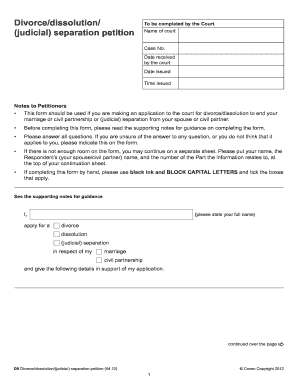
The "Paternity for Respondent Only Plus Legal Decision Making (Custody), Child Support, and Child Parenti" is a legal process designed to address paternity issues in family law cases. It involves the respondent, typically the alleged father, in matters related to establishing paternity and deciding child custody, support, and parenting time. This form is crucial for determining legal relationships and obligations among the parties involved in such cases, typically within U.S. jurisprudence.
Understanding Paternity and Custody
- Paternity: Legal acknowledgment of the parental relationship between a father and a child, often established through genetic testing or voluntary agreement.
- Legal Decision Making (Custody): Refers to the authority to make significant decisions on behalf of a child, including education, health care, and religious upbringing.
Child Support and Parenting Time
- Child Support: Financial payments made by the non-custodial parent to support the child's living expenses.
- Parenting Time: Schedule that outlines when the child spends time with each parent.
How to Use the Form
Individuals responding to a paternity petition must complete this form accurately to address all factors of custody and child support. Respondents should understand their rights and responsibilities before proceeding.
-
Review Instructions: Carefully read the form's instructions to ensure compliance with state-specific regulations.
-
Complete All Sections: Fill out every required section of the form, providing accurate and honest information.
-
Attach Supporting Documents: Include necessary documentation such as financial statements and any previous court orders.
How to Obtain the Form
The form is available from various sources, including:
- State Court Websites: Downloadable directly from court or family law resource sites.
- Court Clerk’s Office: Obtain a physical copy by visiting the local court clerk.
- Legal Aid Organizations: Accessible through legal assistance services for those who qualify.
Special Considerations
- Ensure you understand state-specific formats and requirements as these can vary significantly.
- You may also consult with a legal professional to better understand the implications of the form in your specific case.
Steps to Complete the Form
Initial Steps
- Gather Information: Collect all necessary details, including personal information, income, and assets.
- Consult Legal Guidance: Ideally, consult a family law attorney to ensure all legalities are understood clearly.
Completing the Form
- Fill Out Personal Information: Accurately complete personal data and relevant details concerning the child.
- Provide Financial Details: Document your income, expenses, and any existing financial obligations.
- Sign and Date: Conclude with a signature to affirm all information is truthful.
Finalizing the Submission
- Submit to Appropriate Channels: Use either mail, in-person delivery, or online submission platforms, depending on your jurisdiction’s requirements.
Why Should You Use the Form
Utilizing this form is critical for legal affirmation of parental rights and responsibilities. It ensures clear and enforceable directives concerning custody, support, and parenting arrangements.
Advantages
- Legal Clarity: Provides a clear legal foundation for future interactions and responsibilities.
- Court Recognition: Forms the basis for court-enforced parenting and financial arrangements.
- Protection of Rights: Protects the respondent's legal rights in the parent-child relationship.
Who Typically Uses the Form


Individuals Involved
- Alleged Fathers: Those who have been named in a petition to establish paternity.
- Mothers Seeking Support: To legally establish paternity and secure child support.
- Legal Practitioners: Attorneys specializing in family law may use it as part of legal proceedings.
Applicable Scenarios
- Cases arising from divorce where paternity has not been previously established.
- Disputes where child support is being sought or adjusted post-separation.
Important Terms Related to the Form
- Respondent: The individual required to reply to the petition.
- Petition: A formal request to establish legal facts required for custody or support decisions.
- Default Judgment: A court decision in favor of one party due to the inaction of the other.
Additional Terms
- Alleged Father: The person expected to respond to the paternity claim.
- Custodial Parent: The parent with whom the child resides primarily.
Legal Use of the Form
The form facilitates the legal process by which paternity, custody, and related matters are formally addressed in the judicial system.
Compliance and Enforcement
- Ensures compliance with state laws regarding child welfare.
- Provides court-enforceable agreements regarding child support and custody.
Legal Support and Challenges
- Legal Representation: Often required to navigate complexities.
- Possible Challenges: Misrepresentation or non-compliance can lead to legal penalties.
State-Specific Rules
Paternity and custody laws can vary significantly between states. Therefore, it is crucial to:
- Consult Local Statutes: Each state might have nuances affecting procedure and outcome.
- Adhere to State Timelines: Filing deadlines and procedural requirements differ by jurisdiction.
Local Legal Resources
- Seek guidance from local family law practitioners to ensure full compliance with regional statutes.
Each of these sections thoroughly outlines the key aspects of handling the "Paternity for Respondent Only Plus Legal Decision Making (Custody), Child Support, and Child Parenti" form, enabling respondents to understand their obligations and rights comprehensively.