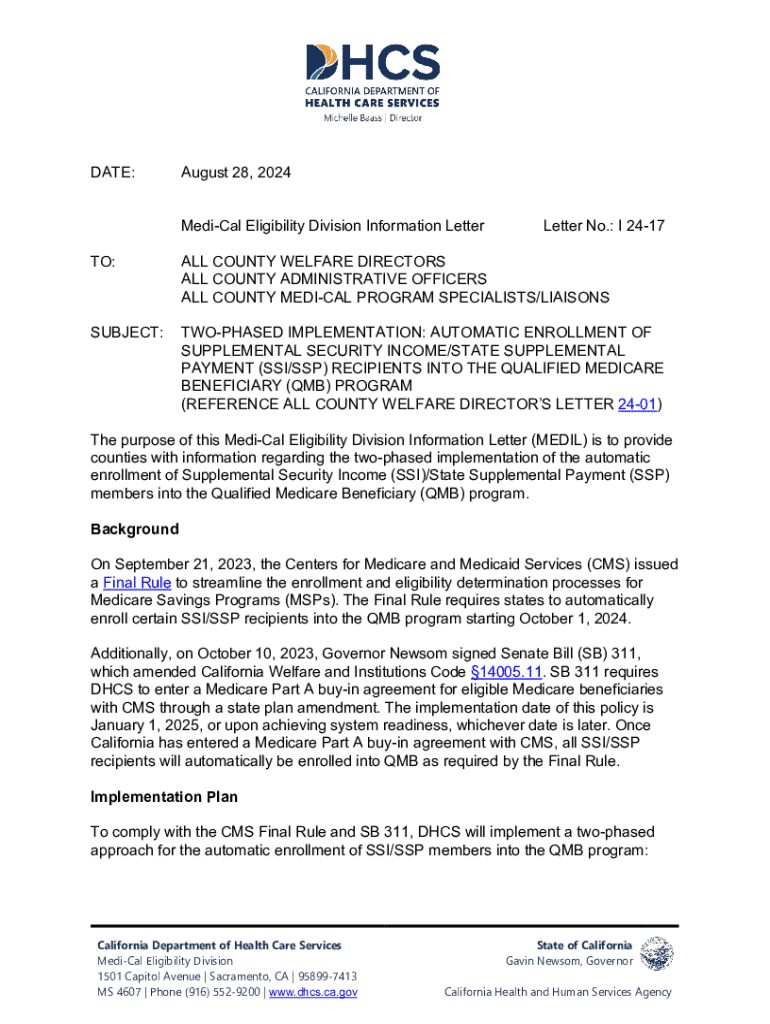







Definition and Meaning of I 24-17
The I 24-17 form plays a crucial role in processing specific legal or financial documents within a particular jurisdiction. Although the exact specifics of the form are not detailed in the available references, forms with similar alphanumeric codes often function as tax-related or regulatory documents. Understanding the context and purpose of the I 24-17 is essential, as it dictates the form's application, submission requirements, and possible implications for compliance.
Understanding Its Purpose
- Designed for high precision in data collection.
- Often required for legal, financial, or tax-related processes.
- Facilitates regulatory compliance and accurate information reporting.
How to Use the I 24-17
Using the I 24-17 correctly ensures compliance and helps avoid potential penalties. Here’s how to approach it:
Filling Out the Form
- Gather Required Information: Collect all necessary personal, financial, or business information relevant to the I 24-17.
- Follow Instructions: Carefully read any provided guidelines to ensure accurate completion.
- Complete the Form: Enter required data into the appropriate fields, maintaining clarity and legibility.
Common Mistakes to Avoid
- Skipping sections that seem irrelevant.
- Entering data in incorrect fields.
- Overlooking mandatory signatures or certifications.
How to Obtain the I 24-17
Securing the I 24-17 form can vary based on availability and the jurisdiction involved.
Standard Acquisition Methods
- Online: Downloadable from relevant governmental or institutional websites.
- In-Person: Obtainable from local offices that distribute regulatory forms.
- Mail: Requestable from relevant authorities, particularly if online or in-person options are limited.
Considerations When Obtaining the Form
- Ensure accessing the most recent version.
- Verify the source to ensure authenticity.
Steps to Complete the I 24-17
Completing the I 24-17 requires thoroughness and attention to detail.
Step-by-Step Process
- Review Instructions: Begin by reading all accompanying instructions that detail how to fill out each part.
- Enter Personal Information: Fill in personal data accurately, ensuring consistency across all documentation.
- Provide Specific Details: Depending on the form's purpose, enter all relevant information (e.g., financial data, legal declaration) as required.
- Review and Cross-Check: Double-check all information for accuracy and completeness, correcting any errors before submission.
- Finalize with Signatures: As required, provide signatures or additional verification, ensuring all authorizations or declarations are in place.
Who Typically Uses the I 24-17
The I 24-17 form's users can vary depending on its specific purpose and jurisdictional requirements.


Typical Users
- Individuals: Often used by citizens for filing personal data or claims.
- Businesses: Utilized for corporate reporting, compliance, or regulatory purposes.
- Legal Entities: Necessary for legal documentation or when dealing with inter-agency data exchange.
Use Case Scenarios
- Required for tax filing by self-employed individuals.
- Used by businesses to declare certain financial standings or obligations.
- Needed during specific legal processes or litigation.
Legal Use of the I 24-17
The legal implications of the I 24-17 are important to consider for both compliance and record-keeping.
Compliance Guidelines
- Adhere to relevant legal standards that govern the form's use.
- Ensure all data provided is truthful and accurate to avoid legal repercussions.
Records and Audit Trails
- Maintain copies for personal or organizational records.
- Be prepared for potential audits, where the form's accuracy and completion could be scrutinized.
Filing Deadlines and Important Dates
Adhering to filing timelines for the I 24-17 is crucial to avoid penalties.
Key Deadline Considerations
- Initial Submission Date: Be aware of the initial deadline for submitting the form.
- Assessment Periods: Know any relevant periods during which the form must be updated or reassessed.
- Extensions and Late Submissions: Familiarize with rules for extensions or the impact of late submissions on legal standing or fines.
Consequences of Missing Deadlines
- Potential financial penalties or legal actions.
- Suspension of certain rights or privileges tied to form submission.
Required Documents for I 24-17
Completion of the I 24-17 typically requires accompanying documentation to verify the information provided.
Typical Documentation Needed
- Identification Proofs: Government-issued IDs, Social Security numbers.
- Financial Records: Bank statements, pay stubs, or financial audits.
- Legal Documents: Contracts, legal agreements, or previous filing records.
Preparing the Documents
- Ensure all documents are up-to-date and reflect current statuses.
- Have multiple copies for submission or personal records.