
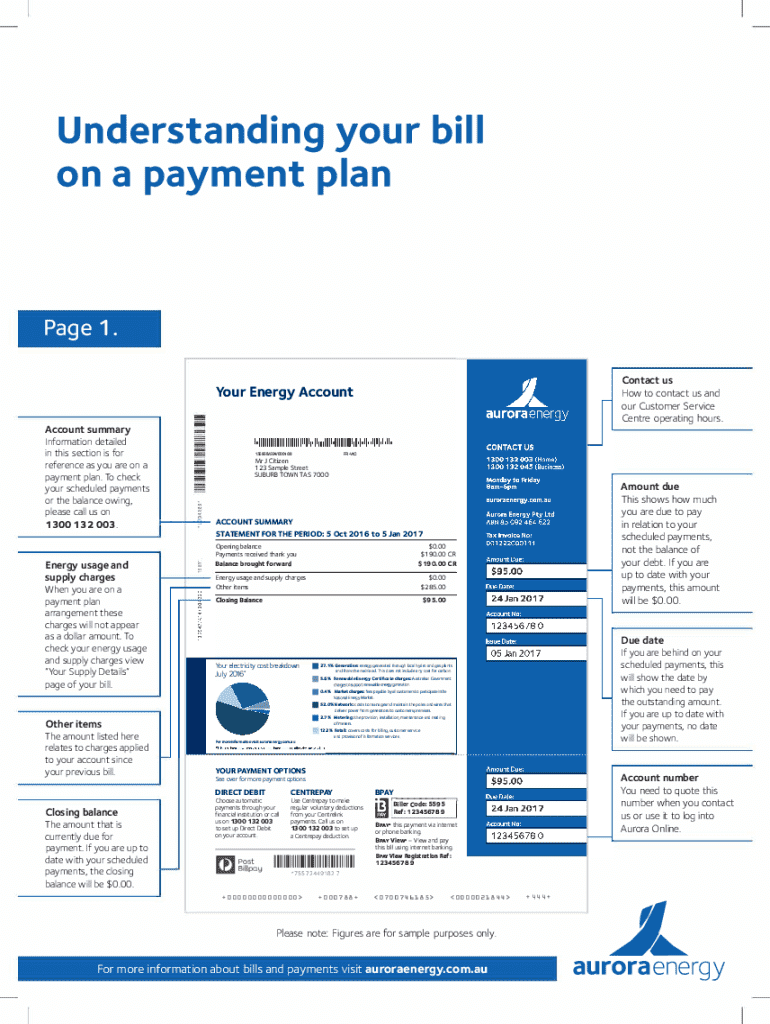







Definition and Meaning of Form Online
Form online refers to the digital version of a traditional paper form that can be accessed and completed via the internet. These forms are used across various sectors, including legal, financial, and educational, allowing users to perform activities like signing contracts, completing tax returns, or submitting applications. Unlike paper forms, online forms provide a more efficient and accessible way to gather and submit information. They often include interactive elements such as dropdown menus, text boxes, and signature fields to facilitate ease of completion.
Steps to Complete the Form Online
Completing a form online typically involves several steps designed to ensure accuracy and comprehensiveness. First, users usually need to log in or create an account on the platform hosting the form. Once logged in, they select the form they need to complete. After opening the form, they can fill out the required fields, often highlighted or marked with asterisks. Users are encouraged to review their entries for any errors or omissions. Finally, the form is submitted electronically, often with an option to print or save a copy for personal records.
- Log in or create an account on the form-hosting platform.
- Navigate to and select the desired form.
- Fill in required fields, checking for highlighted sections or asterisks.
- Review the completed form for errors.
- Submit the form electronically and save or print a copy if needed.
How to Obtain the Form Online
Obtaining an online form can vary depending on the source and type of form. Generally, forms can be accessed through official websites of relevant organizations, such as government agencies for tax or legal forms. Alternatively, online platforms like DocHub provide a comprehensive repository of forms, which can be easily navigated through search functions. Users can download or directly fill forms within these platforms to streamline their workflow, reducing the need for physical paperwork.
Important Terms Related to Form Online
- Electronic Signature: A digital representation of a handwritten signature that is legally binding in most jurisdictions.
- Form Fields: Interactive sections of a form that require user input, such as text boxes or checkboxes.
- Encryption: A process that encodes data to protect it from unauthorized access, essential for maintaining the security of information submitted online.
- OAuth 2.0: A protocol that allows secure access to a user's private information without the user needing to share their password directly.
Software Compatibility for Form Online
Compatibility with popular software solutions enhances the utility of online forms. For example, forms that integrate with accounting software like QuickBooks allow businesses to directly incorporate financial data. Tax preparation software such as TurboTax may offer users the ability to import required forms, facilitating a seamless filing process. Compatibility ensures that users can manage their forms efficiently without needing to switch between different platforms.
Legal Use of the Form Online
Online forms are legally recognized when compliant with federal and state regulations. The ESIGN Act in the United States ensures that electronic signatures on online forms are treated the same as traditional handwritten signatures. This is crucial for forms used in legal contexts, such as contracts or declarations. Users must ensure that any online form they use adheres to applicable laws to maintain its legal validity.
Key Elements of the Form Online
Online forms generally include essential elements designed to capture necessary information accurately and efficiently. These elements are often marked to indicate mandatory input, ensuring that the form is complete upon submission. Important elements include:
- Text Boxes: For entering information such as names or addresses.
- Checkboxes/Radios: Used for options where users can select one or multiple items.
- Dropdown Menus: Provide users with a list of options to choose from, useful for standard selections like country or state.
- Signature Fields: Allow users to insert their electronic signature, making the form legally binding.
Penalties for Non-Compliance
Failing to complete required forms correctly and on time can result in penalties. For example, individuals or businesses might face fines for not providing necessary tax forms by the filing deadline. Legal documents submitted with errors or omissions may be rejected, leading to delays and added costs. Understanding potential penalties underscores the importance of fulfilling form requirements accurately and in a timely manner.




