





Definition and Meaning of Form Online
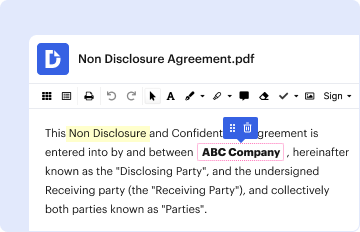
Forms online refer to electronic versions of documents that can be completed and submitted digitally through the internet. These forms serve various purposes, from applications and registration to legal and financial documentation. The term encompasses both fillable forms, which allow users to input data interactively, and non-fillable forms that may require additional steps for completion and submission.
Benefits of Using Forms Online
- Convenience: Can be accessed and completed from any internet-enabled device.
- Efficiency: Automates data processing and reduces manual paperwork.
- Environmentally Friendly: Reduces reliance on paper, contributing to sustainability efforts.
Typical Usage Context
Forms online are widely used across several industries, including government services, educational institutions, and the corporate sector.
How to Use an Online Form
To effectively use an online form, users should follow specific instructions to ensure accuracy and completeness.
-
Accessing the Form:
- Navigate to the website or digital platform hosting the form.
- Use standard web browsers like Chrome or Firefox for compatibility.
-
Filling Out the Form:
- Enter the required information in the provided fields.
- Use dropdowns, checkboxes, and text fields as instructed.
-
Review and Submit:
- Double-check all information for accuracy.
- Submit the form by clicking the designated button, often labeled 'Submit' or 'Send.'
Key Considerations
- Required Fields: Ensure all mandatory sections are complete; these are usually marked with an asterisk (*).
- Attachments: Some forms require supplementary documents, which should be uploaded as per instructions.
Steps to Complete a Form Online
Efficient completion of an online form requires a methodical approach to ensure no details are overlooked.
-
Preparation:
- Gather all necessary documents and information beforehand.
-
Understand the Form's Purpose:
- Read the form instructions and any accompanying guidelines.
-
Input Information:
- Enter details systematically, section by section.
-
Review thoroughly:
- Check for any possible errors or omissions.
-
Final Submission:
- Upon verification, submit the form electronically.
Reasons for Using Forms Online
There are numerous advantages to opting for forms online over their paper counterparts.
- Time-Saving: Immediate submission reduces processing time.
- Cost-Effective: Minimizes printing and postage expenses.
- Enhanced Accuracy: Digital inputs reduce the risk of human error.
Organizational and User Perspectives
- Organizations benefit from streamlined operations and easy data management.
- Users enjoy a simpler, faster process with real-time confirmation of transactions.
Who Typically Uses Online Forms
A diverse range of users employs online forms, catering to different needs and purposes.
Businesses and Corporations
- For HR processes, such as employee onboarding and feedback collection.
Individuals and Consumers
- For services like securing travel visas or applying for loans.
Government Agencies
- For census collection and public registration processes.
Key Elements of an Online Form
Online forms are composed of several interactive elements that facilitate data collection.
- Form Fields: Text boxes for names, addresses, and other specific data.
- Check Boxes and Drop-down Menus: Permit multiple-choice responses.
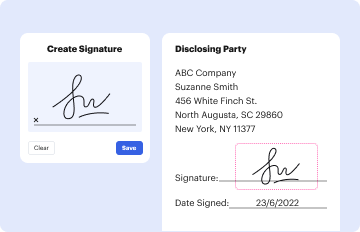
- Signature Fields: Allow for digital signing and authentication.
User Experience Features
- Navigation Aids: Such as pagination and progress indicators to assist users.
- Accessibility Options: Including text readers and language support.
State-Specific Rules for Forms Online
Different jurisdictions may impose distinct regulations regarding online forms.
Variability Across States
- Tax-related Forms: Varying state laws may affect how these forms are filled and submitted.
- Legal Documentation: Specific requirements exist for notarizing and validating electronic signatures.
Ensuring Compliance
- Users must be aware of state-specific instructions and legal mandates to avoid non-compliance issues.
Examples of Using Forms Online
Several common scenarios exemplify the use of online forms.
Scenario 1: Job Applications
- Process: Candidates input personal and professional details on a company’s career portal.
Scenario 2: Tax Filings
- Process: Taxpayers file returns via online platforms, utilizing digital tax forms.
Scenario 3: Academic Enrollments
- Process: Students apply for courses through university portals, filling out the necessary admission forms.
These examples highlight the diverse applications and adaptability of online forms in simplifying everyday tasks.