






Understanding the Power Of Attorney Form Saskatchewan
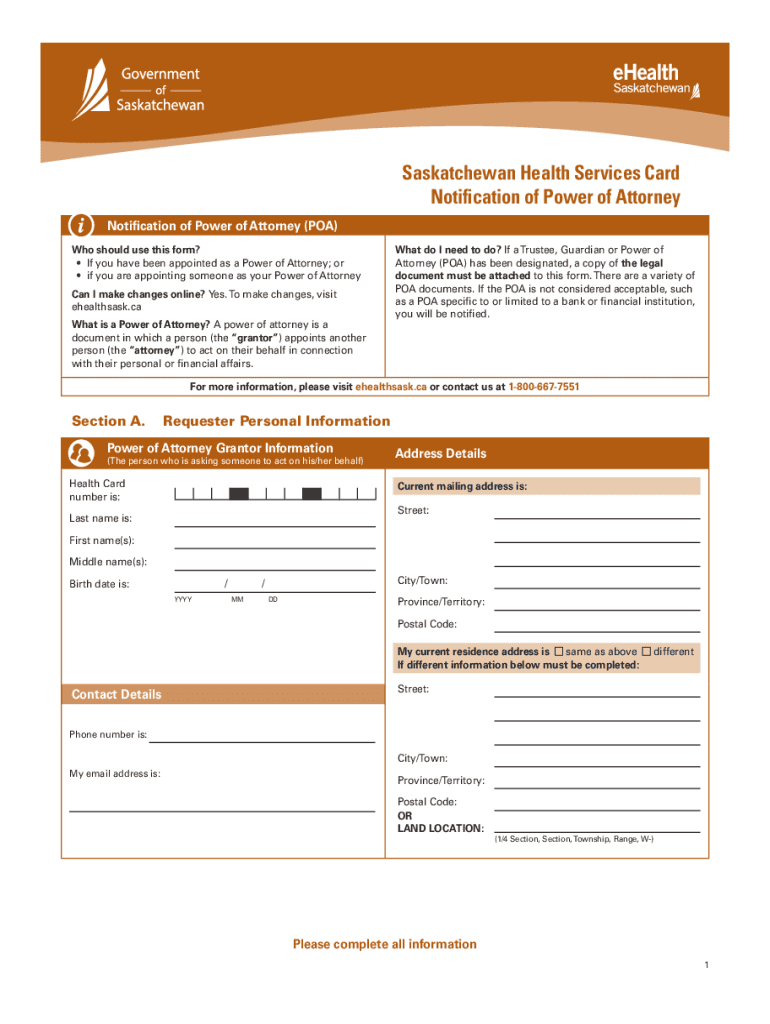
A Power of Attorney (POA) form is a vital legal instrument that grants an individual the authority to act on behalf of another. In the context of Saskatchewan, this form is tailored to fit specific provincial legal standards. The Power of Attorney form for Saskatchewan, as provided by DocHub, allows individuals to designate power efficiently.
-
Primary Purpose: This form is designed to formalize a legal relationship where the appointed attorney can make decisions regarding finances, property, or other legal matters on behalf of the principal.
-
Usage Scenarios: The form is typically used when a person is unable to manage their affairs due to physical absence or incapacity. It ensures that financial and legal responsibilities are maintained according to the principal's wishes.
How to Use the Power Of Attorney Form in Saskatchewan
Using the Power of Attorney form effectively involves understanding its scope and limits. Here's a streamlined process to guide you:
- Identify the Need: Determine why a POA is needed and the extent of powers to be granted.
- Choose the Right Agent: Select a trusted individual who is capable of managing your affairs as you would.
- Complete the Form: Follow guidelines to fill out the form accurately on DocHub. This includes detailing the powers granted.
- Signature and Authentication: Ensure both the principal and the agent sign the document in the presence of a witness. Authentication by a legal professional may be required for certain transactions.
- Practical Example: Consider a scenario where an individual is moving abroad temporarily. Granting a POA ensures that their financial and legal needs are addressed in their absence.
Steps to Complete the Power Of Attorney Form
Completing the Power Of Attorney Form in Saskatchewan via DocHub is straightforward yet comprehensive. Follow these steps for a successful submission:
-
Access the Form: Go to the DocHub platform to access the pre-designed Power of Attorney Form. Ensure you use the form specific to Saskatchewan to comply with provincial regulations.
-
Personal Information: Enter the full legal names and contact details of the principal and the designated attorney.
-
Define the Powers: Clearly specify the powers you are granting, whether they're limited to specific tasks or broad financial authority.
-
Durability: State whether the POA is durable (remaining effective even if the principal becomes incapacitated) or non-durable.
-
Execution: Have the document signed and witnessed as required. A lawyer or notary should verify and authenticate the document when needed.
-
Storage and Access: Keep the signed original in a secure place and provide copies to the attorney, any involved financial institutions, and family members if necessary.
Key Elements of the Power Of Attorney Form
Understanding and correctly completing key components of the Power Of Attorney Form is essential for its legal effectiveness.
-
Principal and Attorney Details: Accurate representation of both parties is crucial for identification and responsibility assignment.
-
Scope of Authority: Clearly delineate the actions the attorney can take. This includes financial management, real estate transactions, and other specific tasks.
-
Term of Effectiveness: Decide if the POA should be temporary or until a predetermined event, such as incapacitation of the principal.
-
Revocation Clause: Include a section that details the process of revoking the powers granted to the attorney if needed.
Legal Use of the Power Of Attorney Form
Using the Power Of Attorney form legally requires adherence to specific Saskatchewan laws and ensuring all components are fully compliant.
-
Compliance with Local Laws: Ensure the form meets all legal standards as set by Saskatchewan's legal framework for powers of attorney.
-
Verification and Authentication: It is advisable to have a legal professional oversee the signing and provide notarization where necessary to prevent future legal challenges.
-
Record Keeping: Maintain records of all transactions executed by the attorney under the power granted to provide transparency and accountability.
Important Terms Related to Power Of Attorney
Grasping the terminology associated with the Power Of Attorney Form can reduce potential misunderstandings and misuse.
- Principal: The person who grants authority to the agent.
- Attorney-in-Fact: The designated individual or agent given power under the POA.
- Capacity: The mental competency required to grant a POA legally.
- Durable POA: Remains in effect even if the principal becomes incapable of making decisions.
Specific Rules for the Power Of Attorney Form in Saskatchewan
Certain nuances apply to the Power Of Attorney Form specific to Saskatchewan. These rules are important to adhere to for the form to be valid.
- Witnessing Requirements: The form must be witnessed by an adult who is not a close family member of the principal or the agent.
- Legal Capacity: The principal must have full mental capacity at the time of signing.
- Restriction on Real Estate Transactions: Specific additional steps may be necessary for powers involving real estate or significant financial decisions.
Examples of Using the Power Of Attorney in Real Situations
Illustrating the Power Of Attorney's application helps potential users understand its real-world benefits.
- Elderly Care: Elderly individuals often utilize POAs to allow family members to manage their medical and financial affairs as they age.
- Military Deployment: Military personnel might grant POA to a spouse or family member to handle personal affairs during deployment.
Understanding each of these elements ensures you can utilize the Power Of Attorney Form via DocHub effectively and legally, providing peace of mind and legal assurance for both the principal and the attorney-in-fact.