






Definition and Meaning of "Form Online"
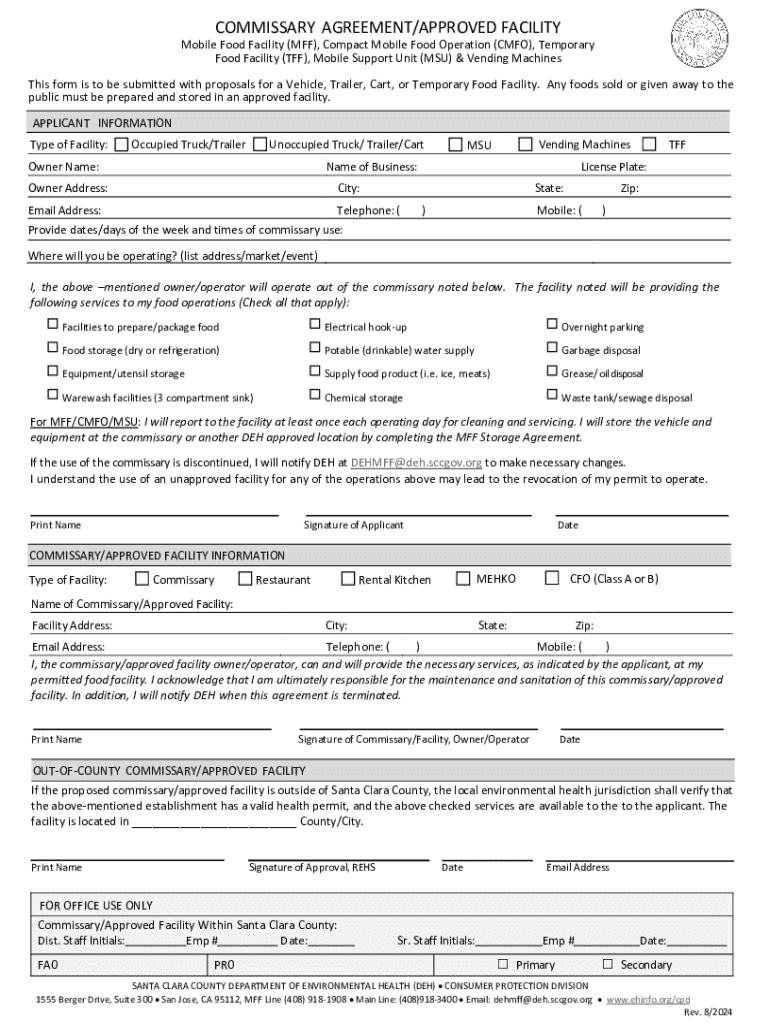
The term "form online" refers to the process of accessing, completing, and submitting various types of documentation through digital platforms rather than using traditional paper methods. This includes application forms, informational forms, and official documents that can be filled out and submitted electronically. Utilizing online forms allows for a more streamlined workflow by reducing the need for physical paperwork and enabling users to complete tasks from anywhere with internet access. Given the digital nature, it often includes features like auto-fill, dropdown selections, and electronic signatures, making the process intuitive and efficient. Online forms are frequently used in a variety of contexts, ranging from tax documentation and legal agreements to business applications and governmental paperwork.
How to Use the Form Online
Using a form online typically involves a straightforward process designed to gather information efficiently. First, users must access the form through a specific website or document management platform like DocHub. Once accessed, the form can be completed directly within the browser interface. Users will generally interact with different types of fields such as text inputs, dropdown menus, and checkboxes. Here's a typical sequence to follow when completing a form online:
- Navigate to the Form: Access the form by visiting the designated webpage or platform.
- Review the Instructions: Carefully read any provided guidelines to understand the form's requirements.
- Enter Information: Fill out the necessary fields by typing in personal information, selecting options, and checking relevant boxes.
- Upload Documents: If required, upload any supporting documents directly onto the form.
- Review for Errors: Before submitting, verify all entered information for completeness and accuracy to avoid processing delays.
- Submit the Form: Once satisfied with the entries, submit the form by clicking the designated button, typically labeled "Submit" or "Send."
Steps to Complete the Form Online
Completing an online form can sometimes involve several specific steps to ensure all required information is accurately captured and submitted. Here is an expanded guide outlining each step in detail:
Step 1: Access the Form
- Find the Form: Locate the appropriate form by visiting the relevant organization’s website or using a document management tool like DocHub.
- Login: Some platforms may require you to create an account or log in before accessing the form.
Step 2: Fill Out Details
- Personal Information: Enter personal details such as name, address, and contact information.
- Select Applicable Options: Use dropdowns and checkboxes to select applicable options relevant to your circumstances.
- Advanced Fields: Some forms might require you to use advanced fields for specific details, such as financial information or specific legal declarations.
Step 3: Upload Supporting Documents
- Attach Files: If the form requires additional documents (e.g., proof of identity), you may need to attach digital copies. Formats like PDF, JPEG, and DOC are usually supported.
Step 4: Review and Confirm
- Double-Check Entries: Review all inputs for accuracy and completion. Pay special attention to mandatory fields.
- Correct Mistakes: Edit any inaccuracies before finalizing your submission.
Step 5: Submit the Form
- Finalize Submission: Click the submit button to send your completed form to the designated recipient.
- Confirmation: Watch for a confirmation message or email indicating successful submission.
Who Typically Uses the Form Online
Forms online are utilized by a wide array of individuals and entities across different sectors. Each user relies on online forms for various operations, supporting diverse needs with uniform efficiency.
- Businesses: Companies use online forms for applications, contract signings, and information gathering processes.
- Educational Institutions: Schools and universities often require digital forms for admissions, enrollments, and course registrations.
- Government Agencies: Digital submission is becoming increasingly common for tax filings, permit applications, and census forms.
- Individuals: General users leverage online forms for tasks like job applications, customer feedback, and service requests.


Key Elements of the Form Online
A typical online form consists of several critical components designed to facilitate information collection and readability. These elements are engineered to deliver a seamless user experience:
- Form Fields: Basic input areas where users enter personal information, select items, or provide responses.
- Guidance Notes: Text explanations or tooltips that offer instructions or clarify questions.
- Validity Checks: Automated systems that ensure the accuracy and completeness of the entered data before submission.
- Electronic Signature Fields: Areas where users can insert digital or scanned signatures to authorize documents officially.
- Submission Button: Final step to complete the process, usually triggering data validation before sending.
Legal Use of the Form Online
Online forms often have legal implications, particularly in terms of electronic contracts and documentations that require a signature. The use of online forms must comply with relevant laws and regulations:
- Electronic Signatures in Global and National Commerce Act (ESIGN): Ensures the legality of electronic records and signatures.
- Uniform Electronic Transactions Act (UETA): Provides a legal framework for using electronic signatures and records.
- Data Privacy: Online forms must adhere to data protection laws, such as GDPR or CCPA, to safeguard personal information.
Business use cases and operations often rely on these regulatory guidelines to ensure processes are secure and legally binding.
Required Documents for the Form Online
Completing a form online might necessitate additional documentation to validate the information provided. Required documents may vary depending on the form's purpose:
- Identification: Photocopies of driver's licenses, passports, or social security cards.
- Financial Records: Tax returns, bank statements, or proof of employment for financial-related forms.
- Certification and Qualifications: Copies of degrees, licenses, or certificates for situational verification.
- Supporting Letters: References, cover letters, or recommendations that substantiate claims or requirements.
Digital vs. Paper Version
The decision between using a digital or paper format involves several considerations based on convenience, accessibility, and legal acceptance:
- Efficiency and Accessibility: Digital forms can be completed and submitted much faster, with features simplifying data entry.
- Environmental Impact: Online forms contribute to reducing paper waste, supporting environmental sustainability.
- Security: Electronic submissions often include encryption and authentication measures ensuring higher security standards.
- Legality: Digital forms must comply with legal standards for electronic signatures to be legally binding, similar to their paper counterparts.
Understanding these distinctions can inform the decision-making process for individuals and organizations deciding between digital or traditional formats.