Definition and Functionality of the Application to Open a Personal Account CDR
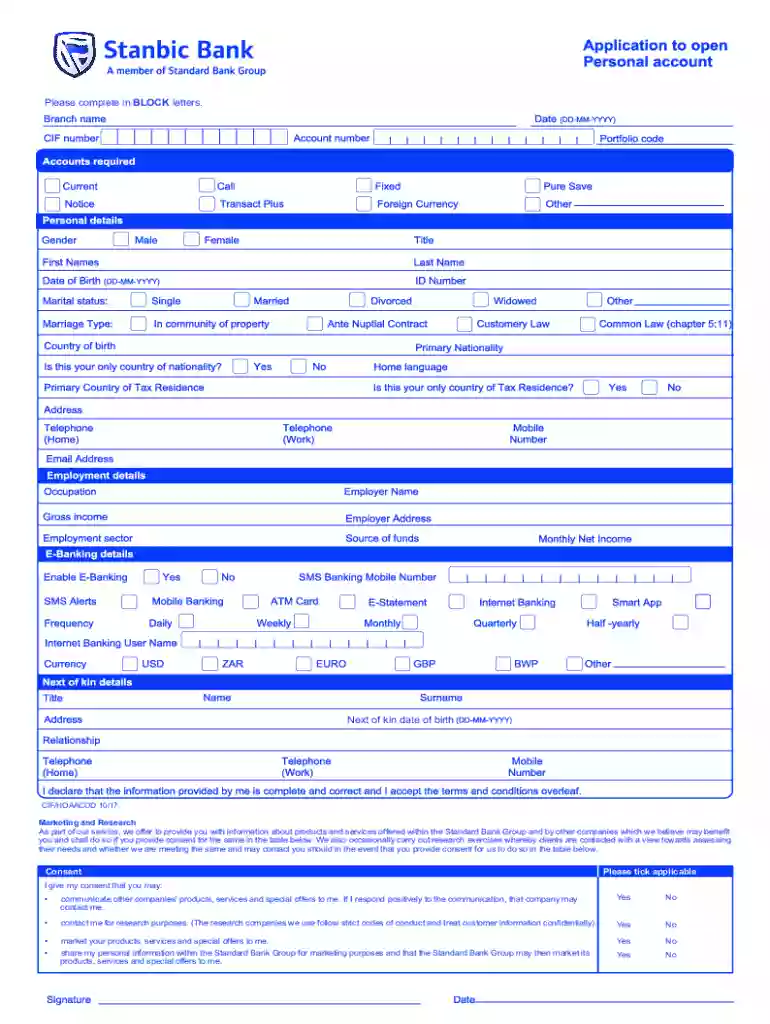
The "Application to Open a Personal Account CDR" is a form typically used by individuals who wish to establish a personal account with an institution that provides financial services. This document collects essential information about the applicant, which is necessary for the institution to assess eligibility, verify identity, and ensure compliance with regulatory requirements. The form also serves as a preliminary agreement outlining the terms and conditions associated with opening and maintaining the account.
Key Objectives
- Identity Verification: Collects personal details to confirm the applicant's identity, including full name, address, date of birth, and government-issued identification numbers such as a Social Security Number.
- Financial Background: Gathers information on the applicant's financial status, including employment details and income sources, to evaluate the ability to maintain the account in good standing.
- Agreement of Terms: Outlines the terms, conditions, and responsibilities of both the account holder and the institution, ensuring mutual understanding and consent.
How to Obtain the Application to Open a Personal Account CDR
There are multiple methods to acquire the Application to Open a Personal Account CDR, each suitable for different preferences and needs:
Sources for Acquisition
- Directly from the Institution: Visit the financial institution's local branch or their official website. Most banks and credit facilities provide downloadable forms for convenience.
- Customer Service: Contact the institution's customer service to request a mailed copy of the form. This method is beneficial for those who prefer physical documents.
- Online Banking Portal: Many institutions offer a digital application process where the form can be filled out and submitted electronically via a secure online portal.
Practical Consideration
- Ensure you have access to a printer if you choose to download and fill the form physically.
- Verify the specific requirements of the institution since variations might exist depending on the state or the institution's policies.
Steps to Complete the Application to Open a Personal Account CDR
Filling out the Application to Open a Personal Account CDR involves several detailed steps to ensure accuracy and completeness:
Step-by-Step Process
- Read Instructions Carefully: Each section provides specific instructions on how to complete the form. Thoroughly read these guidelines before starting.
- Personal Information: Enter your full legal name, current address, date of birth, and contact details. Ensure accuracy to avoid processing delays.
- Financial Details: Provide details about your current employment, annual income, and sources of funds for the initial deposit.
- Identification Verification: Include information from a valid government-issued ID. Some institutions may request additional documents for verification.
- Sign and Date: Complete the form by signing and dating it to affirm the authenticity and accuracy of the information provided.
Key Elements of the Application to Open a Personal Account CDR
Understanding the essential components of the application can facilitate a smoother completion process:
Critical Sections
- Applicant Information: Personal and identification details required for verification purposes.
- Account Preferences: Options regarding account types, features, and any additional services you wish to enroll in.
- Agreement Terms: Detailed conditions including fees, interest rates for savings, and responsibilities of the account holder.
Examples for Context
- For a savings account, sections may include interest rate options and minimum balance requirements.
- If applying for a checking account, the form may have sections regarding overdraft protection and debit card services.
Primary Users
- Individuals Seeking New Account Benefits: Those looking for competitive interest rates, better savings options, or enhanced account features.
- Students and Young Adults: Often the first formal step in managing personal finances independently.
- Retirees or Older Adults: Desiring simplified account management services.
Considerations for Target Audiences
- Students may need to provide evidence of enrollment or anticipated incomes, such as scholarships.
- Retirees might be required to offer details about retirement funds or pensions to demonstrate financial stability.
Legal Use and Compliance of the Application to Open a Personal Account CDR
Adherence to legal standards is critical for both the applicant and the institution issuing the account:
Compliance Requirements
- Regulatory Adherence: The form must comply with federal and state regulations concerning financial transactions and identity verification.
- Privacy Protection: Information collected is protected under data privacy laws, ensuring confidentiality and restricted access.
Case Examples
- In states with specific privacy laws, the form might include additional sections to confirm data handling practices.
- Institutions may require compliance with the USA PATRIOT Act for verification of identity to prevent fraud.
Digital vs. Paper Version
Choosing between digital and paper versions of the form depends on the applicant's convenience and institutional offerings:
Advantages and Disadvantages
- Digital Version: Offers convenience with online submission, saving time and postage costs. It often includes features like auto-fill for repeat information.
- Paper Version: Preferred by traditional users or those without reliable internet access. Allows for a physical copy for personal records.
Use Cases
- Young adults familiar with digital tools prefer the online form for its speed and efficiency.
- Applicants who require assistance from branch staff might favor paper applications for direct support.
Software Compatibility with Financial Tools
For applicants who utilize digital financial management tools, software compatibility is a key consideration:
Integration Capabilities
- Common Software: Compatibility with popular software like QuickBooks or TurboTax is beneficial for users who integrate their financial data for comprehensive tracking.
- Automatic Updates: Some platforms automatically sync account details, providing an up-to-date view of financial standings.
Practical Examples
- A small business owner could link their personal account to QuickBooks to better manage cash flow and expenses.
- Individuals who use budgeting software could benefit from features that automatically categorize transactions for streamlined budgeting.