






Definition and Meaning of "Form Online"
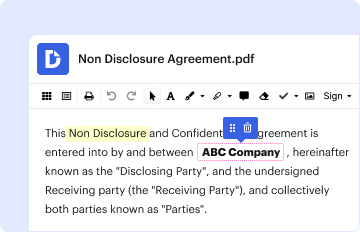
A "form online" refers to a digital document that can be accessed, completed, and submitted over the internet. These forms are commonly used for a variety of applications, including tax filings, legal documentation, and business transactions. The term encompasses various formats, including HTML-based forms on web pages and PDF forms that can be filled out electronically. Key characteristics of online forms include their accessibility from any device with internet connectivity, the ease of data entry, and their seamless integration with automated systems for processing and storing information. Online forms offer several advantages, including the reduction of physical paperwork, improved data accuracy through validation checks, and faster processing times compared to paper-based forms.
How to Use the Form Online
Using an online form typically involves several straightforward steps. First, you'll need to access the form through a specific website or platform, such as a government portal or a business service provider like DocHub. You'll start by inputting the required information into designated fields. Many online forms come with features such as dropdown menus, checkboxes, and text areas to facilitate easy data entry.
When completing the form, it's important to follow any instructions provided to ensure that all fields are filled out correctly. Some forms may require attachment uploads, which you can typically do by scanning and saving your documents electronically. After reviewing your entries for accuracy, you can submit the form electronically. Many platforms provide a confirmation message upon successful submission, which may include a tracking number or receipt for your records.
How to Obtain the Form Online
Obtaining an online form is usually a simple process. Forms can be accessed through various online platforms, such as government websites, corporate portals, or third-party service providers like DocHub. For example, visiting the specific website where the form is hosted will often provide access through a direct download or by filling out an existing electronic template.
In the case of government forms, such as tax documents, you can generally find them on official websites like the IRS or the state's department of revenue. It's often beneficial to download or bookmark the form directly to ensure quick access if you need to revisit or update it later.
Steps to Complete the Form Online
-
Access the form: Navigate to the website or platform where the form is hosted and ensure you have the necessary permissions to access it.
-
Input Information: Enter all required data into the appropriate fields. This may involve personal details, financial information, or other relevant data.
-
Attach Documents: If the form requires additional documentation, scan and upload the necessary files as directed.
-
Review and Verify: Double-check all information for correctness and completeness to avoid any processing delays.
-
Submit Form: Once satisfied, submit the form electronically and ensure you receive a confirmation or submission receipt.
-
Track and Follow-Up: Use any provided confirmation details to track the status of your submission and follow up if necessary.
Who Typically Uses Online Forms
A wide array of individuals and organizations utilize online forms. These forms are particularly beneficial for individuals needing to submit legal or tax documentation, such as W-9 or DS-11 forms. Businesses frequently use them for applications, registrations, or client onboarding processes. Educational institutions leverage online forms for applications, registrations, and feedback collection, while government entities use them for data collection and service requests.
Non-profit organizations also rely on online forms for volunteer registrations and donor information collection. These forms are central tools for various sectors due to their efficiency and ability to streamline data gathering.
Legal Use of the Form Online
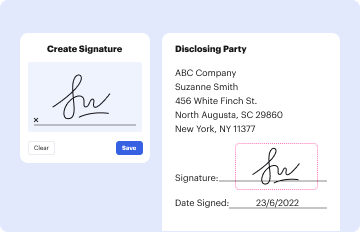
Online forms often carry significant legal weight, particularly when they involve signatures or contractual agreements. Many online forms comply with acts such as the ESIGN Act, which ensures that electronic signatures are legally binding, just like their pen-and-paper counterparts. When using online forms for official purposes, it is essential to ensure that your submission adheres to all relevant legal standards, including privacy laws and data protection regulations.
In addition to federal laws, specific states may have rules governing the use of electronic forms. Ensuring compliance with those rules is crucial when engaging in any transaction or documentation through online forms.
Key Elements of the Form Online
-
Field Types: Commonly include text fields, checkboxes, radio buttons, dropdown lists, and file upload options.
-
Navigation Aids: Features such as "next" and "previous" buttons to streamline user navigation through multi-page forms.
-
Validation Checks: Built-in validation ensures data accuracy and completeness before submission.
-
Submission Confirmation: Users receive acknowledgment of their form submission, often detailing next steps or providing a reference number for tracking purposes.
-
Compatibility: Forms are typically designed to be accessible on various devices and operating systems, ensuring broad usability.
Examples of Using the Form Online
Many scenarios illustrate the practical use of online forms:
-
Tax Submissions: Individuals and businesses submitting tax returns electronically for faster processing.
-
Job Applications: Candidates completing employment applications via a company's online portal.
-
Customer Feedback: Businesses collecting customer experiences and satisfaction data through digital surveys.
-
Event Registrations: Participants signing up for conferences or webinars using online registration forms.
These examples underscore the versatility of online forms in streamlining processes and enhancing user experience across various domains.