01. Edit your form online
Type text, add images, blackout confidential details, add comments, highlights and more.

Type text, add images, blackout confidential details, add comments, highlights and more.

Draw your signature, type it, upload its image, or use your mobile device as a signature pad.

Send it via email, link, or fax. You can also download it, export it or print it out.
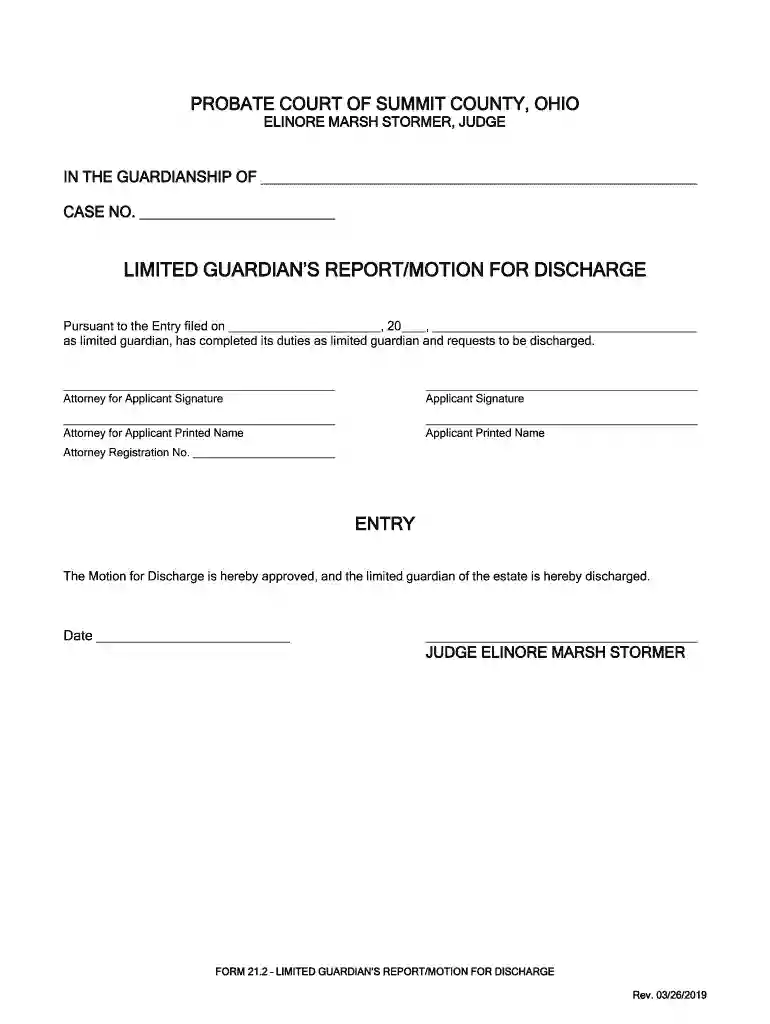
The "2111 50 Probate Court is Superior Guardian of Wards" form is used within the legal framework to establish the authority and responsibility of probate courts over the guardianship of wards. This form is typically involved in cases where the court appoints a guardian to manage the personal and/or financial matters of individuals who are unable to do so themselves due to age, incapacitation, or disability. In this context, the term "ward" refers to a person under the protection or care of a guardian. The court holds the ultimate oversight and is considered the superior guardian, ensuring that the appointed guardian acts in the best interest of the ward.
Using the 2111 50 form involves several steps to ensure proper compliance with legal standards. The process usually starts when individuals or entities file a petition to establish guardianship. Upon filing, the form serves as a legal document used to outline the responsibilities and powers granted to the guardian. It is vital to fill out all sections accurately, including details about the ward and the proposed guardian, to avoid delays or legal issues. This form is pivotal in legal proceedings where guardianship is established, modified, or terminated.
Completing the 2111 50 Probate Court form requires attention to detail and a clear understanding of the legal obligations involved:
Obtain the Form: Access the form from the appropriate probate court's website or request a physical copy.
Gather Required Information: Collect all necessary details, including the ward’s personal information, medical history, and financial status.
Fill Out the Form: Enter information accurately, including names, addresses, and the relationship between the guardian and the ward.
Attach Supporting Documents: Include relevant documents, such as medical reports or financial statements, to support the guardianship petition.
Submit the Form: File the completed form with the probate court, either in person, online, or via mail, according to the court’s submission guidelines.
Attend Hearings: Be prepared to attend any court hearings where further information or clarification is requested.
Understanding key terms is crucial when dealing with the 2111 50 Probate Court form:
The legal use of the 2111 50 form is grounded in ensuring that guardianship arrangements protect the rights and welfare of the ward. The probate court uses the form to outline the guardian’s responsibilities and enforce compliance with legal standards. It safeguards against abuse or neglect by providing a structured process for both appointment and oversight.
While the basic principles of the 2111 50 form are consistent across jurisdictions, each state may have specific rules governing its use. These can include variations in submission processes, required documentation, and differences in the types of guardianships recognized. It is essential to consult state-specific resources or legal counsel to ensure compliance with local regulations.
To support the completion of the 2111 50 form, various documents may be required:
Form submission can vary based on the probate court’s procedures:
Understanding these aspects of the 2111 50 Probate Court form equips users with the knowledge to navigate the guardianship application process effectively and comply with legal stipulations.
We've got more versions of the 2111 50 Probate court is superior guardian of wards form. Select the right 2111 50 Probate court is superior guardian of wards version from the list and start editing it straight away!
| Versions | Form popularity | Fillable & printable |
|---|---|---|
| 2019 | 4.8 Satisfied (78 Votes) |
At DocHub, your data security is our priority. We follow HIPAA, SOC2, GDPR, and other standards, so you can work on your documents with confidence.