Understanding Revocable Trusts for Asset Transfer
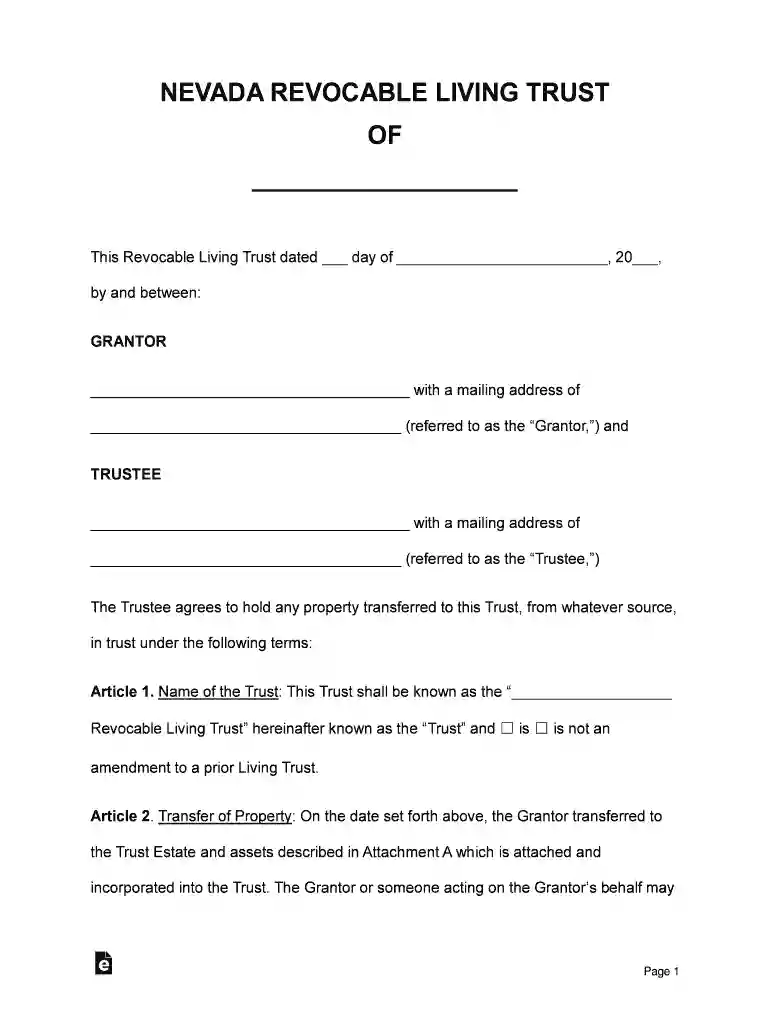
A revocable trust is a legal document created by the grantor to manage their assets during their lifetime and arrange for their transfer after death. It allows the grantor to make changes or revoke the trust at any time while they are alive. When the grantor passes away, the assets held in the trust are distributed to the beneficiaries according to the terms specified in the trust document.
Benefits of Using a Revocable Trust
- Avoidance of Probate: Assets in a revocable trust bypass the probate process, allowing for a quicker and more private distribution to beneficiaries.
- Flexibility: The grantor can modify the trust terms or revoke it entirely during their lifetime.
- Continuous Management: The trustee manages the trust assets, which can be beneficial if the grantor becomes incapacitated.
Steps to Transfer Assets with a Revocable Trust
Transferring assets with a revocable trust after death involves a series of steps to ensure a smooth transition to the beneficiaries.
- Death Notification: Inform the trustee and relevant parties about the grantor's death.
- Asset Inventory: Compile a list of all assets held within the trust.
- Payment of Debts and Taxes: Before distribution, ensure all debts and taxes related to the trust assets are paid.
- Asset Distribution: Distribute the remaining assets to beneficiaries as outlined in the trust document.
- Fulfillment of Specific Requests: Address specific bequests or instructions in the trust, such as care for pets or donations to charities.
Important Terms Related to Revocable Trusts
Understanding key legal terms can help in the efficient administration of a revocable trust.
- Grantor: The person who creates the trust and transfers assets into it.
- Trustee: The individual or entity responsible for managing the trust assets and executing its terms.
- Beneficiary: The person or entity entitled to receive benefits from the trust.
- Probate: The legal process of validating a will and distributing assets, which a revocable trust circumvents.
Legal Responsibilities of the Trustee
The trustee plays a crucial role in managing and distributing the trust assets after the grantor’s death. Their responsibilities include:
- Fiduciary Duty: Acting in the best interests of the beneficiaries.
- Asset Management: Safeguarding and managing trust assets until they are distributed.
- Accurate Record-Keeping: Maintaining detailed records of all transactions and actions taken on behalf of the trust.
- Communication with Beneficiaries: Keeping beneficiaries informed about the trust administration process.
State-Specific Rules for Revocable Trusts
While the fundamental concept of a revocable trust is universal, certain state-specific rules can affect their administration:
- State Probate Laws: Each state has unique probate laws that might impact trust terms and administration.
- Tax Considerations: Different states may impose varying inheritance or estate taxes that influence trust planning.
- Trustee Requirements: States might have specific qualifications or conditions for trustees.
Examples and Scenarios of Using a Revocable Trust
Various scenarios illustrate the practical application and benefits of revocable trusts:
- Family-Focused Trusts: Parents with multiple children can set up trusts to ensure equitable distribution of assets while also protecting specific bequests.
- Incapacity Planning: A grantor places assets into a trust to ensure asset management in case of mental incapacity, safeguarding against potential financial abuse.
- Charitable Trusts: Setting aside a portion of the trust assets for charitable donations to continue philanthropic activities after the grantor’s death.
Required Documents for Asset Transfer
For effective administration of a revocable trust, several documents must be in place and accessible to the trustee:
- Trust Agreement: The original document detailing the terms of the trust.
- Death Certificate: A certified copy verifying the grantor’s death.
- Asset Inventory: A comprehensive list of all assets held within the trust.
- Debts and Liabilities Statement: Documentation of outstanding debts and liabilities for settlement before distribution.
Form Submission Methods for Trust Documentation
Different methods can be utilized to manage and submit necessary documents for trusts:
- Online Platforms: Digital solutions like DocHub can streamline submission and storage of trust documents.
- Mail: Traditional mailing of documents for record-keeping purposes.
- In-Person: Direct submission of documents to financial institutions or legal representatives if required by state laws or financial regulations.
Each method comes with its own set of considerations regarding speed, security, and convenience.