Local Utah Bankruptcy Forms - United States Bankruptcy 2026

Get Form
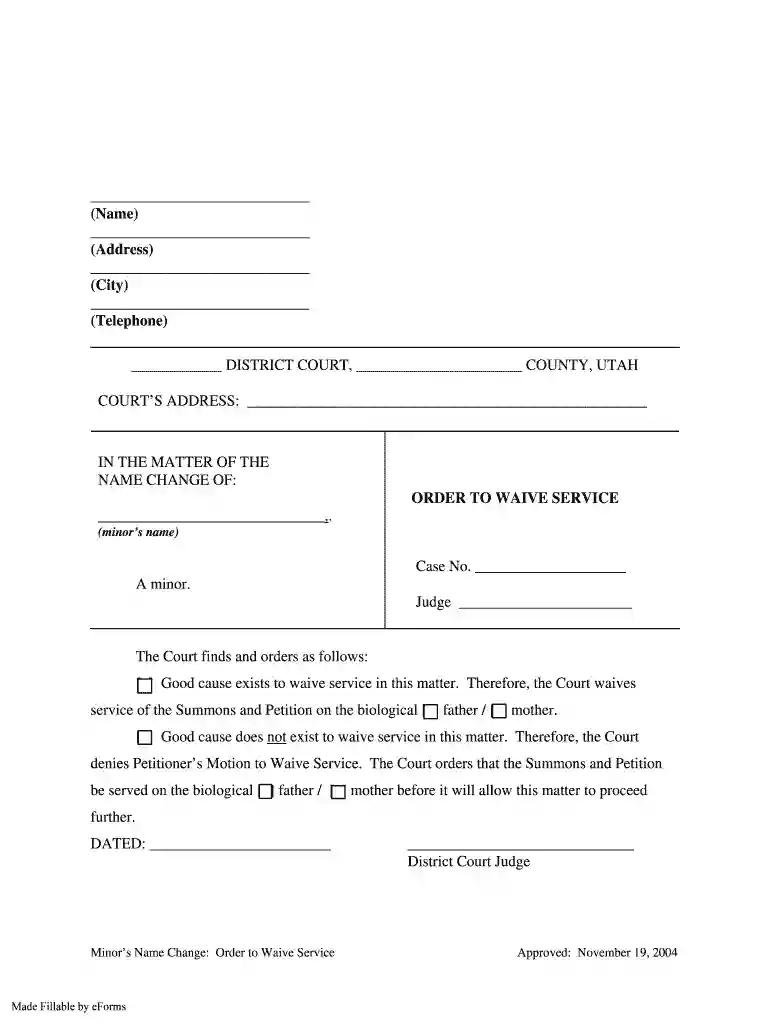
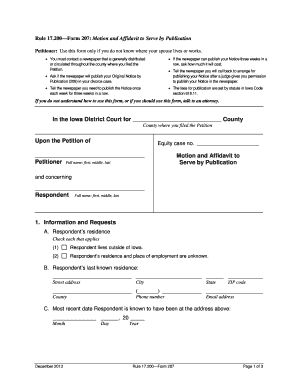
Local Utah Bankruptcy Forms - United States Bankruptcy Preview on Page 1

Here's how it works

01. Edit your form online
Type text, add images, blackout confidential details, add comments, highlights and more.

02. Sign it in a few clicks
Draw your signature, type it, upload its image, or use your mobile device as a signature pad.

03. Share your form with others
Send it via email, link, or fax. You can also download it, export it or print it out.

Overview of Local Utah Bankruptcy Forms

Local Utah Bankruptcy Forms are essential documents used in the bankruptcy filing process within the state of Utah. These forms are tailored to meet the specific legal requirements and procedures established by the United States Bankruptcy Court for the District of Utah. The forms enable individuals and businesses to fulfill their legal obligations when declaring bankruptcy.

Definition & Meaning

Bankruptcy forms in Utah provide the necessary framework for individuals, couples, or businesses to file for bankruptcy under different chapters of the U.S. Bankruptcy Code. These forms detail the applicant's financial situation, including assets, liabilities, income, and expenses, to assess eligibility and facilitate legal proceedings.

How to Use the Local Utah Bankruptcy Forms

Using these forms requires careful attention to detail to ensure accuracy and compliance with legal standards.

  1. Download and Review: Start by downloading the required forms from the United States Bankruptcy Court for the District of Utah's official website. Review each form carefully to understand the information that needs to be provided.

  2. Complete Required Information: Fill out each section of the forms, detailing financial information including income, assets, and liabilities. Ensure that all data is accurate and current.

  3. Attach Supporting Documents: Gather supporting documentation such as pay stubs, tax returns, and asset statements to verify the information provided in the forms.

  4. Review for Accuracy and Completeness: Double-check the forms for completeness and accuracy before submission. Missing or incorrect information can delay the bankruptcy process.

  5. Submit Forms: Submit the completed forms in accordance with the submission guidelines, either online or in-person, as directed by the bankruptcy court.

How to Obtain the Local Utah Bankruptcy Forms

You can obtain the necessary forms through the following methods:

  • Online Access: Visit the official website of the U.S. Bankruptcy Court for the District of Utah to download the required forms.
  • In-Person Requests: Obtain physical copies of the forms by visiting the clerk’s office at the Utah bankruptcy court.
  • Legal Assistance: Engage a bankruptcy attorney who can provide the forms and guide you through the filing process.

Steps to Complete the Local Utah Bankruptcy Forms

Completing the forms involves several critical steps outlined below:

  1. Gather Financial Information: Collect your financial details, including earnings, debts, living expenses, and asset values.
  2. Fill Out Form Schedules: Complete each schedule within the form, which addresses different financial aspects like income and expenses (Schedule I and J), real property (Schedule A/B), and secured claims (Schedule D).
  3. Provide Additional Documentation: Attach any required documents, such as income proofs and transcripts of recent federal tax returns.
  4. Finalize Filing: Review the entire package for completeness. Once reviewed, sign and date the necessary forms to authenticate your submission.

Why Use Local Utah Bankruptcy Forms

Using the prescribed forms is crucial for ensuring that all legal and procedural requirements are fulfilled during the bankruptcy process. These forms aid in:

  • Standardizing Information: They offer a uniform method for debtors to report financial details, aiding clear communication with the court.
  • Legal Compliance: Ensuring compliance with federal and state bankruptcy laws is mandatory, and these forms facilitate that process.
  • Efficient Bankruptcy Proceedings: By utilizing these forms, individuals can expedite the filing process, reducing potential delays and complications.

Key Elements of the Local Utah Bankruptcy Forms

The bankruptcy form set includes several key elements that need careful attention:

  • Statement of Financial Affairs: Requires full disclosure of a debtor’s financial history, including income sources and prior transactions.
  • Schedules A-J: Various schedules need to be filled, detailing real estate, personal property, creditors holding secured claims, and creditor claims.
  • Official Form 101: The voluntary petition indicating the debtor’s request for relief and choice of bankruptcy chapter.

Who Typically Uses the Local Utah Bankruptcy Forms

These forms are utilized by a wide range of applicants:

  • Individual Debtors: Individuals seeking relief through personal bankruptcy filings under Chapter 7 or Chapter 13.
  • Business Entities: Companies opting for debt restructuring under Chapter 11 or, in some cases, Chapter 7 liquidation.
  • Legal Representatives: Lawyers specializing in bankruptcy law often complete these forms on behalf of clients to ensure accurate and efficient filing.
decoration image ratings of Dochub

Legal Use of the Local Utah Bankruptcy Forms

The legal use of these forms ensures that applicants meet the necessary requirements for filing bankruptcy in Utah:

  • Compliance with Bankruptcy Code: Forms adhere to both U.S. Bankruptcy Code standards and Utah state requirements.
  • Due Process: Properly completed forms guarantee that debtors receive due process in court hearings, ensuring all legal rights and obligations are addressed.
  • Discharge Eligibility: Correct use and completion of these forms are essential in determining a debtor’s eligibility for a discharge of debts.

Important Terms Related to Local Utah Bankruptcy Forms

Familiarizing yourself with key terms can improve understanding and navigation through the process:

  • Debtor: The individual or entity filing for bankruptcy.
  • Creditors: Parties to whom the debtor owes money.
  • Trustee: The court-appointed official who oversees the bankruptcy proceeding.
  • Automated Stay: A provision that halts creditors' collection activities immediately upon filing.

These sections provide a comprehensive understanding of how to effectively approach the Local Utah Bankruptcy Forms, ensuring a smooth and informed filing process.

be ready to get more

Complete this form in 5 minutes or less

Get form

Got questions?

We have answers to the most popular questions from our customers. If you can't find an answer to your question, please contact us.
Contact us
Except as otherwise provided by this Act, all debts proved in a bankruptcy rank equally and, if the proceeds of the property of the bankrupt are insufficient to meet them in full, they shall be paid proportionately.
Filing for Chapter 7 bankruptcy requires completing a packet of 23 official forms, including a voluntary petition, schedules, and financial statements. Together, these forms make up whats commonly called your bankruptcy petition.
Generally, non-exempt property in bankruptcy can include: Any secondary residential property that isnt your primary home, such as a vacation house. A second car, unless you are filing jointly, in which case each filer can claim an exemption for a car. Investments other than retirement accounts.
A statement of intention, also known as Official Form 108, is a bankruptcy form you must file with the court. The form tells your creditors what you intend to do with your secured debts, such as an auto loan, a mortgage, or a lease. You have many options with your statement of intentions.
Utah Districts Filing Requirements The court requires individuals whore filing without a lawyer to file bankruptcy in person or by mail. You can pay your $338 filing fee with: Cash.

Security and compliance

At DocHub, your data security is our priority. We follow HIPAA, SOC2, GDPR, and other standards, so you can work on your documents with confidence.
Learn more
ccpa2
pci-dss
gdpr-compliance
hipaa
soc-compliance

People also ask

Chapter 7 bankruptcy is a legal debt relief tool. If youve fallen on hard times and are struggling to keep up with your debt, filing Chapter 7 can give you a fresh start. For most, this means the bankruptcy discharge wipes out all of their debt.
Section 108(c) provides that when nonbankruptcy law, an order entered in a nonbankruptcy proceeding, or an agreement fixes a period for commencing or continuing a civil action in a nonbankruptcy court on a claim against the debtor or co-debtor protected under Sections 1201 or 1301, and such period has not expired
The Statement of Intention for Individuals Filing Under Chapter 7 (Official Form 108), is required if you have any secured debts (like a car loan listed on Schedule D) or unexpired contracts (like a lease listed on Schedule G).

Related links