Definition and Meaning
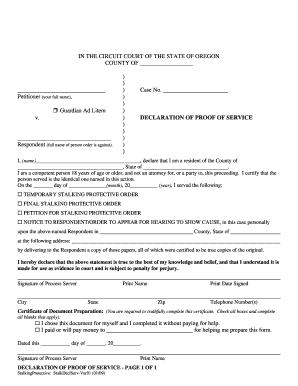
"In the Matter of the Declaration of" is a formal legal phrase often used in court documents and legal proceedings to introduce a specific declaration or petition. This phrase typically precedes a statement or request about a significant legal relationship or status change, such as parental status or estate matters. The declaration often requires signatures from involved parties and supporting documents to establish the authenticity and validity of the claims. Understanding this term's context is vital, as it sets the stage for legal proceedings that can have far-reaching implications for those involved.
Steps to Complete the Declaration
To successfully complete the declaration, follow these essential steps:
-
Gather Necessary Information: Ensure you have all relevant personal information, including full names, addresses, and any pertinent legal documents such as birth certificates or genetic test results.
-
Complete the Form Accurately: Fill out the form with precise details, making sure that all fields are completed thoroughly. Attention to detail is crucial as inaccuracies can lead to delays or rejection.
-
Attach Supporting Documents: Include all required attachments, such as identification and proof of the claim being made, to substantiate the declaration's legitimacy.
-
Obtain Required Signatures: Ensure that all parties involved in the declaration sign the form. This often includes the petitioner, the respondent, and any witnesses or legal representatives.
-
Submit the Declaration: File the completed declaration with the appropriate court or legal entity, adhering to submission guidelines and deadlines. This can typically be done online, via mail, or in person, depending on jurisdictional requirements.
How to Obtain the Declaration Form
Obtaining the declaration form requires understanding the specific legal context or jurisdiction in which you are operating. Here are common methods to acquire the form:
-
Court Websites: Many courts provide downloadable forms directly from their websites. Ensure you download the correct version for your specific situation.
-
Legal Assistance Services: Contact a legal aid office or attorney for guidance on obtaining and completing the form, especially if the case is complex or involves multiple parties.
-
Clerk of Court: Visit the local clerk of court office for hard copies of the necessary forms and additional information or assistance in completing them.
Key Elements of the Declaration Form
Several crucial components must be included in the declaration form to ensure its validity and acceptance:
-
Identification Details: Full names and contact information of all involved parties are required to establish identity.
-
Statement of Facts: Clearly outline the facts of the case or situation being declared, supported by any necessary evidence or documentation.
-
Legal Claims or Requests: Detail any specific legal claims being made or relief sought through the declaration, such as an official acknowledgment of paternity.
-
Signatures and Notarization: Legal declarations often require signatures from all parties and may need notarization to be considered legally binding.
Legal Use and Implications
The declaration is used in legal contexts to affirm or establish a particular status or relationship formally. Examples include paternity declarations, estate claims, or other civil matters that necessitate judicial acknowledgment. Understanding the legal implications is essential, as these declarations can affect rights, responsibilities, and personal or financial relationships.
-
Paternity Cases: Used to establish a legal father-child relationship, which can impact child support, inheritance, and parental rights.
-
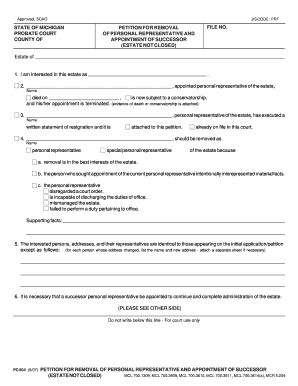
Estate Matters: Declares rightful heirs or claims to an estate, essential for probate proceedings.
Understanding the legal use of the declaration helps individuals navigate the complexities of civil matters and ensure their rights are adequately represented.
State-Specific Rules and Variations
Each state may have its specific rules or variations concerning the use of the declaration. Some states might require additional documentation or specific filing procedures. Therefore, it is crucial to consult state-specific guidelines or a legal professional familiar with the jurisdiction's requirements.
Who Typically Uses the Form
This form is often used by individuals or parties who need to establish or formalize a legal relationship. Typical users include:
-
Parents and Children: In cases involving paternity declarations or custody challenges.
-
Heirs and Beneficiaries: When dealing with probate and estate declarations.
-
Legal Representatives: Acting on behalf of clients in civil matters requiring formal declarations.


Important Terms and Conditions
Understanding the terminology associated with the form is essential. Some important terms include:
-
Declarant: The person making the declaration or statement.
-
Respondent: The individual or party responding to the claims or declaration.
-
Notarization: A process by which a notary public authenticates the identities of those signing the document, adding a layer of legal trust.
Familiarity with these terms ensures a clear understanding of the form's requirements and the roles of involved parties.