01. Edit your form online
Type text, add images, blackout confidential details, add comments, highlights and more.

Type text, add images, blackout confidential details, add comments, highlights and more.
Draw your signature, type it, upload its image, or use your mobile device as a signature pad.

Send it via email, link, or fax. You can also download it, export it or print it out.
Care Options for Children of Incarcerated Parents - LA Court provides structured routes for managing the care of minors when parents are unable to do so due to incarceration. This includes various legal arrangements that ensure a child's basic needs, including education and healthcare, are met. The available care options aim to minimize the disruption in a child's life during a parent's incarceration by establishing legal guardianship or temporary caregiving solutions. These options are crucial for maintaining stability in the child's day-to-day life and securing their well-being.
Understanding how to apply these care options involves specific legal and procedural steps designed to protect the child's best interests while supporting guardians or caregivers. Each option requires different documentation and legal approvals, and understanding these is critical for a smooth transition.
Completing these legal forms correctly is paramount to ensuring the proper care of the child. Every detail must be carefully reviewed to comply with California's legal standards.
The legal framework for these care options ensures accountability and affords rights to those caring for children of incarcerated parents. It is crucial to understand these legal aspects for compliance and legitimacy.
California state laws, including those applicable within Los Angeles County, outline specific requirements and protocols for establishing care options for children of incarcerated parents.
Understanding specific jargon and terms is essential for effectively navigating and completing these forms.
When setting up care arrangements, several key elements must be clearly defined to ensure that all parties understand their roles and responsibilities.
Gathering and submitting the correct documentation is a crucial step in finalizing care arrangements.
By following these structured components and engaging appropriately with the legal framework, custodians can ensure they provide the necessary care and stability for children of incarcerated parents within the LA Court system.
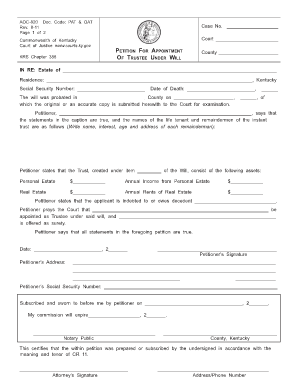
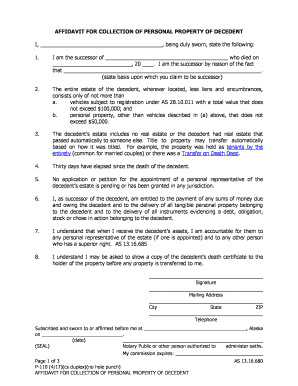
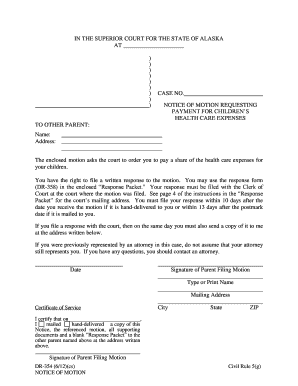
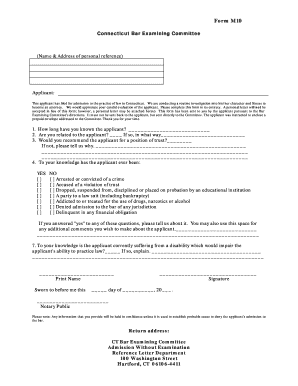
We've got more versions of the Care Options for Children of Incarcerated Parents - LA Court form. Select the right Care Options for Children of Incarcerated Parents - LA Court version from the list and start editing it straight away!
| Versions | Form popularity | Fillable & printable |
|---|---|---|
| 2018 | 4.9 Satisfied (25 Votes) |
At DocHub, your data security is our priority. We follow HIPAA, SOC2, GDPR, and other standards, so you can work on your documents with confidence.