Delegation of powers by parent or guardian - Alaska Court System - courts alaska 2026

Get Form
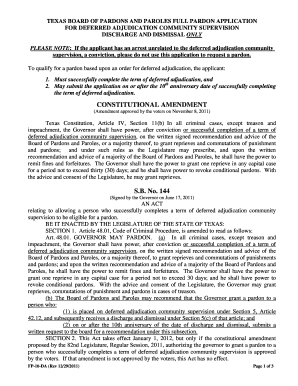
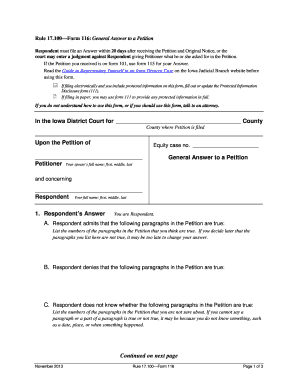
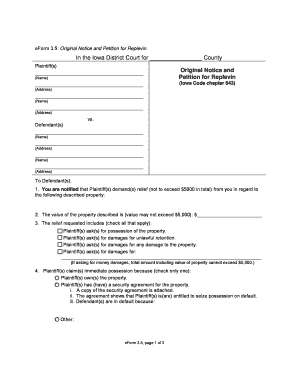
Delegation of powers by parent or guardian - Alaska Court System - courts alaska Preview on Page 1

Here's how it works

01. Edit your form online
Type text, add images, blackout confidential details, add comments, highlights and more.

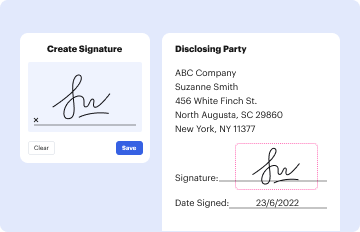
02. Sign it in a few clicks
Draw your signature, type it, upload its image, or use your mobile device as a signature pad.

03. Share your form with others
Send it via email, link, or fax. You can also download it, export it or print it out.

Definition & Meaning

The "Delegation of powers by parent or guardian - Alaska Court System" refers to a specific legal instrument used in Alaska that allows parents or legal guardians to temporarily assign decision-making authority regarding the care, custody, and property management of their minor children. This delegation can last for up to one year and does not create a guardianship or diminish the rights of any non-signing parent. It provides flexibility for parents or guardians who might be temporarily unable to fulfill their parental responsibilities due to various circumstances such as travel, illness, or work commitments.

How to Use the Delegation Form

To effectively utilize the delegation of powers form, parents or guardians should identify the responsibilities they wish to delegate, such as educational decisions, medical care, or financial matters. The selected delegate, often a trusted family member or friend, will have the legal authority to act in these areas during the delegation period. It's crucial to fill out the form correctly and completely, specifying the extent of the powers being delegated, the timeframe, and any specific conditions or limitations.

Step-by-Step Usage Instructions

  1. Determine the scope of delegation: Decide which areas of authority you wish to delegate.
  2. Select a delegate: Choose a responsible individual you trust to make decisions regarding your child's welfare.
  3. Complete the form: Fill in all required fields on the form, specifying the powers being delegated.
  4. Sign the form: Ensure that both the parent/guardian and the delegate sign the document.
  5. Notarize the form: Although not always legally required, notarizing the document can provide additional authenticity.
  6. Distribute copies: Provide copies to relevant parties, such as schools, healthcare providers, and the delegate.

Steps to Complete the Delegation Form

Completing the delegation form requires careful attention to detail to ensure all legal requirements are met. Start by obtaining the correct form from the Alaska Court System or a legal professional specializing in Alaskan family law.

Detailed Completion Process

  1. Obtain the Form: Acquire the official delegation of powers form from the Alaska Court System.
  2. Fill Out Personal Details: Enter information about the parent/guardian and the individual who will receive the delegated authority.
  3. Specify Powers and Duration: Clearly outline what powers are being delegated and for what period, not exceeding one year.
  4. Signatures: Have the form signed by both parties involved in the delegation.
  5. Consider Notarization: Secure notarization for additional legal acknowledgment.
  6. File or Keep for Records: Submit a copy to any required institutions and keep one for personal records.

Legal Use of the Form

The delegation of powers form is a legal tool that must adhere to guidelines set by the Alaska Court System. It does not allow for the transfer of parental rights permanently but rather serves as a temporary measure for specific situations.

Legal Constraints and Freedoms

  • Non-Permanent Delegation: This form is strictly for temporary delegation and does not create long-term guardianship.
  • Revocation: Can be revoked at any time by the signing parent, thus returning all authorities back to them.
  • State Compliance: Must comply with Alaska's state laws regarding minor children and parental responsibilities.

Important Terms Related to the Form

Understanding key terminologies is crucial for effectively using the delegation form:

  • Delegation: The act of assigning authority to another person.
  • Parent or Guardian: The individual legally responsible for the minor.
  • Delegate: The person receiving the delegated responsibilities.
  • Revocation: The process of cancelling the delegation.

Key Elements of the Delegation Form

The delegation form contains several critical elements that must be clearly and accurately completed:

  • Parent/Guardian Information: Including full name, address, and contact information.
  • Delegate Information: Details about the person receiving authority.
  • Scope of Powers: Specific tasks and responsibilities the delegate can perform.
  • Timeframe: Start and end dates of the delegation period.

Who Typically Uses the Delegation Form

The form is commonly used by a variety of individuals who find themselves needing to temporarily transfer decision-making authority regarding their children.


decoration image ratings of Dochub

Common Scenarios

  • Military Personnel: Those deployed overseas may use the form to manage their children's affairs.
  • Traveling Parents: Individuals who travel frequently or for extended periods.
  • Health-Related Absences: Parents undergoing medical treatment may authorize another to care for their children.

Examples of Using the Delegation Form

Real-world examples illustrate the practical uses of the form:

  • Example One: A parent traveling for work delegates school-related decisions to a sibling.
  • Example Two: A parent undergoing surgery authorizes a close friend to handle healthcare decisions for their child during recovery.
  • Example Three: A military parent stationed abroad delegates financial decision-making to a grandparent for one year.

These examples highlight the form's versatility in managing short-term, temporary child-care responsibilities.

be ready to get more

Complete this form in 5 minutes or less

Get form

Security and compliance

At DocHub, your data security is our priority. We follow HIPAA, SOC2, GDPR, and other standards, so you can work on your documents with confidence.
Learn more
ccpa2
pci-dss
gdpr-compliance
hipaa
soc-compliance