






Definition & Meaning
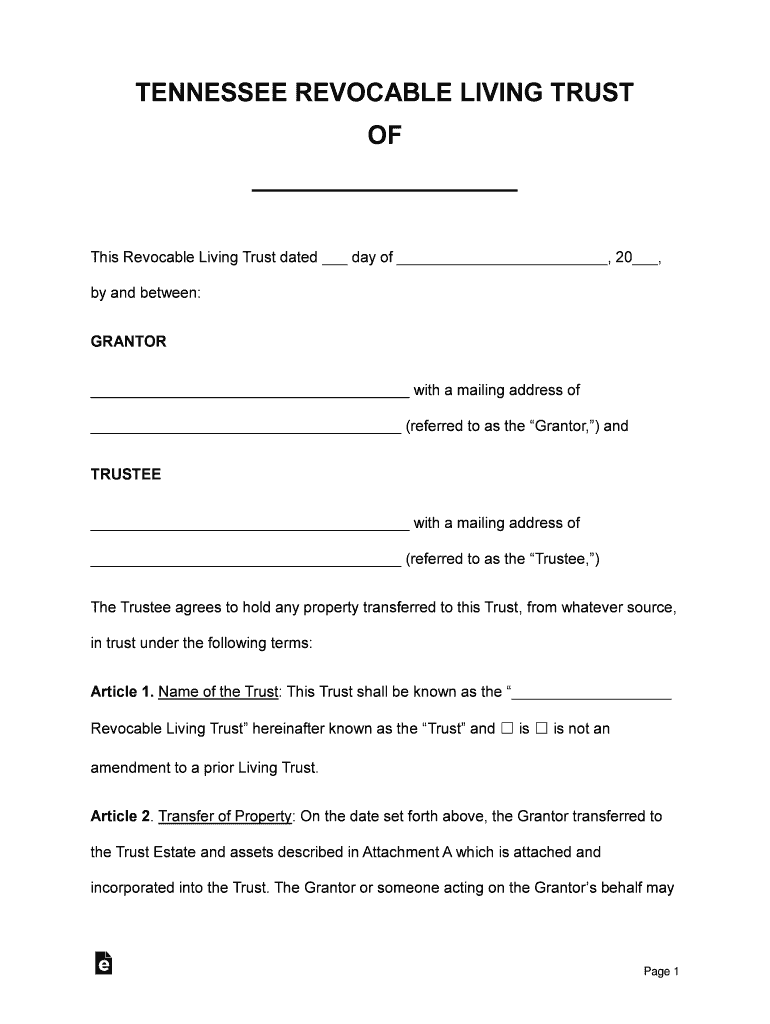
A Revocable Living Trust Form is a legal document used in the United States that allows an individual, known as the Grantor, to place their assets into a trust for management during their lifetime and distribution after death. The form establishes a relationship between the Grantor and a Trustee, who is responsible for managing the trust assets according to the Grantor's instructions. This arrangement offers flexibility, as the Grantor can amend or revoke the trust during their lifetime. The document is essential for estate planning, allowing for the streamlined transfer of property and potentially avoiding probate proceedings.
How to Use the Revocable Living Trust Form - lapakonlineindonesia id
Using the Revocable Living Trust Form requires understanding its components and filling out the necessary sections accurately. The Grantor must detail what assets are being transferred into the trust, appoint a Trustee, and specify how the assets should be managed and distributed. The form should also include provisions for successor Trustees if the original Trustee is unable or unwilling to fulfill their duties. After completing the form, it should be signed and possibly notarized, depending on state requirements. It is advisable to consult a legal professional to ensure compliance with state laws and thorough understanding.
Steps to Complete the Revocable Living Trust Form - lapakonlineindonesia id
-
Gather Information: Collect details about the assets you wish to include, including property titles, account numbers, and asset valuations.
-
Appoint a Trustee: Select a reliable individual or entity to act as the Trustee.
-
Define Terms: Clearly outline the terms of the trust, such as how assets should be managed and distributed.
-
Specify Beneficiaries: List the beneficiaries and any specific distributions they should receive.
-
Include Provisions for Incapacity: Detail how decisions will be made if the Grantor becomes incapacitated.
-
Review Legal Requirements: Ensure the form meets state-specific legal requirements, including any witness or notarization needs.
-
Execute the Document: Sign the form and, if required, have it notarized to make it legally binding.
-
Transfer Assets: Ensure legal transfer of selected assets into the trust to activate the trust arrangement.
Key Elements of the Revocable Living Trust Form - lapakonlineindonesia id
-
Grantor: The person creating the trust, with the ability to alter or revoke it.
-
Trustee: The individual or organization responsible for managing the trust in accordance with its terms.
-
Successor Trustee: A designated party to take over trust management if the original Trustee cannot serve.
-
Assets: Property or financial assets included in the trust.
-
Beneficiaries: Individuals or entities entitled to benefit from the trust.
-
Distribution Instructions: Specific directives on how and when beneficiaries receive their designated trust assets.
-
Amendment and Revocation Terms: Conditions under which the Grantor can alter or terminate the trust.
Important Terms Related to Revocable Living Trust Form - lapakonlineindonesia id
-
Probate: The legal process through which a deceased person's will is validated and assets are distributed.
-
Incapacity: A state where the Grantor is unable to manage the trust or make decisions, often due to health issues.
-
Irrevocable Trust: A trust that cannot be modified after its creation, unlike a revocable living trust.
-
Fiduciary Duty: The legal obligation of the Trustee to act in the best interest of the beneficiaries.
-
Distribution: The process of allocating the trust's assets to beneficiaries as specified in the trust document.
Legal Use of the Revocable Living Trust Form - lapakonlineindonesia id
The Revocable Living Trust Form is primarily used for estate planning purposes in the United States. It allows individuals to manage their assets during their lifetime and specify how they should be distributed upon death, helping to avoid the probate process, which can be time-consuming and costly. Additionally, it provides privacy, as trust details do not become public records. The flexibility of the form permits changes during the Grantor's lifetime, making it an adaptable tool for managing personal and family financial affairs.
State-Specific Rules for the Revocable Living Trust Form - lapakonlineindonesia id
Different states may have unique requirements for creating and executing a Revocable Living Trust Form. For example, certain states might demand notarization or specific witness requirements for the trust to be valid. Some states also have particular rules regarding the transfer of real estate into a trust, which may involve additional documentation or filings. It is crucial to research state-specific laws or consult a legal expert to ensure the trust is compliant with local regulations and effectively achieves its intended purpose.
Examples of Using the Revocable Living Trust Form - lapakonlineindonesia id
-
Family Estate Planning: An individual sets up a trust to manage their assets, ensuring smooth transfer to their children upon their death without going through probate.
-
Asset Protection: A business owner creates a trust to protect personal assets from business creditors while retaining control over the assets.
-
Contingency Planning for Incapacity: A person establishes a trust with instructions for asset management in case they become incapacitated, ensuring their financial affairs are handled according to their wishes.
-
Charitable Giving: A Grantor can use the trust to set aside assets for donation to charities, specifying how and when contributions are made.