Definition & Meaning
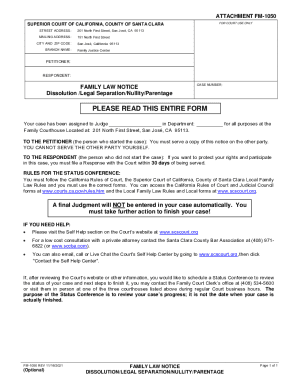
The "Petition for Modification of Parenting Plan Time Sharing" is a legal document used by individuals seeking to alter existing parenting time arrangements. This petition is essential for modifying how time with children is divided between parents, often necessary due to changes in circumstances, ensuring the child's best interests are prioritized. The form establishes a formal request for modifying court-ordered time-sharing arrangements.
Key Elements of the Petition
When completing a Petition for Modification of Parenting Plan Time Sharing, several critical elements are necessary. The form must clearly articulate:
- The existing parenting plan and the specific modifications sought.
- Justifications for the requested changes, emphasizing how these changes serve the child's best interests.
- Detailed information about each parent, including financial disclosures and living situations.
- Supporting documents, such as affidavits or witness statements, that corroborate the petitioner’s claims and requests.
Steps to Complete the Petition
Completing this petition involves several structured steps:
- Review the Existing Parenting Plan: Begin by thoroughly understanding the current arrangements and identifying relevant sections that need modification.
- Gather Supporting Evidence: Collect documents and affidavits that support the need for change. This may include school records, medical reports, or testimony from witnesses.
- Complete the Form: Fill out the petition, providing precise details and clear explanations for the requested changes.
- File with the Court: Submit the completed petition to the relevant family court that issued the initial order. Filing may involve a fee.
- Serve the Other Parent: Legally notify the other parent about the modification request, usually through a process server or certified mail.
- Attend the Hearing: Prepare for and participate in any court hearings where the request will be evaluated.
Legal Use of the Petition
Legally, the petition serves as a formal avenue to request adjustments in the parenting time-sharing schedule. It is critical for parents who have experienced significant changes in circumstances, such as relocation, job change, or alterations in the child’s needs. Such petitions must conform to state laws and standards to be considered valid. Judges review these petitions based on the child's best interests, assessing whether the requested modifications improve the child's welfare.
How to Obtain the Petition
To obtain the Petition for Modification of Parenting Plan Time Sharing, individuals can access it through:
- Local Family Court Offices: Forms are often available directly from the court where the initial parenting plan was issued.
- Online Resources: Many state judiciary websites offer downloadable versions of the form and relevant instructions.
- Legal Aid Services: Organizations providing legal support may assist in acquiring and completing the form.
Important Terms Related to the Petition
Understanding specific terminology is crucial when dealing with this petition:
- Custodial Parent: The parent with whom the child resides the majority of the time.
- Non-Custodial Parent: The parent who does not have primary physical custody.
- Best Interests of the Child: A legal standard focusing on what arrangements best serve the child's overall well-being.
- Material Change of Circumstance: A significant change affecting the current parenting plan that justifies a modification.
State-Specific Rules
Each state may have unique rules guiding the modification of parenting plans. It is critical for petitioners to familiarize themselves with local regulations, such as:
- Filing Fees and Procedures: Differences in costs and steps required for filing a petition.
- Time Frames: Specific deadlines and mandatory waiting periods before changes can be enacted.
- Court Requirements: Variations in documentation and evidentiary standards between states.
Why You Should Petition for Modification
Petitioning for a modification may be necessary when significant life changes occur, affecting the applicability of the existing parenting plan. Reasons include:
- Employment Relocation: One parent might need to move for job-related reasons, necessitating a re-evaluation of time-sharing.
- Changes in Child's Needs: Adjustments due to the child's educational, emotional, or health requirements.
- Safety Concerns: Instances where the child’s safety may be compromised under current arrangements.
Examples of Using the Petition
Several real-world scenarios illustrate when the petition is typically utilized:
- After Divorce Modifications: Following a divorce, one parent receives a substantial job offer in a different city, prompting a need to adjust the parenting schedule.
- School Schedule Changes: The child begins a specialized program at a distant school, necessitating a different visitation schedule.
- Changes in Parental Availability: After a shift in work hours, one parent may seek increased weekend visitation time.
By navigating the Petition for Modification of Parenting Plan Time Sharing appropriately, parents can realign parenting arrangements to reflect current realities, ensuring that the child’s best interests remain at the forefront.