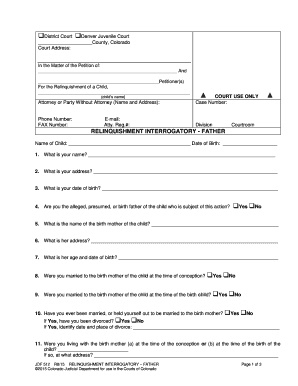
01. Edit your form online
Type text, add images, blackout confidential details, add comments, highlights and more.

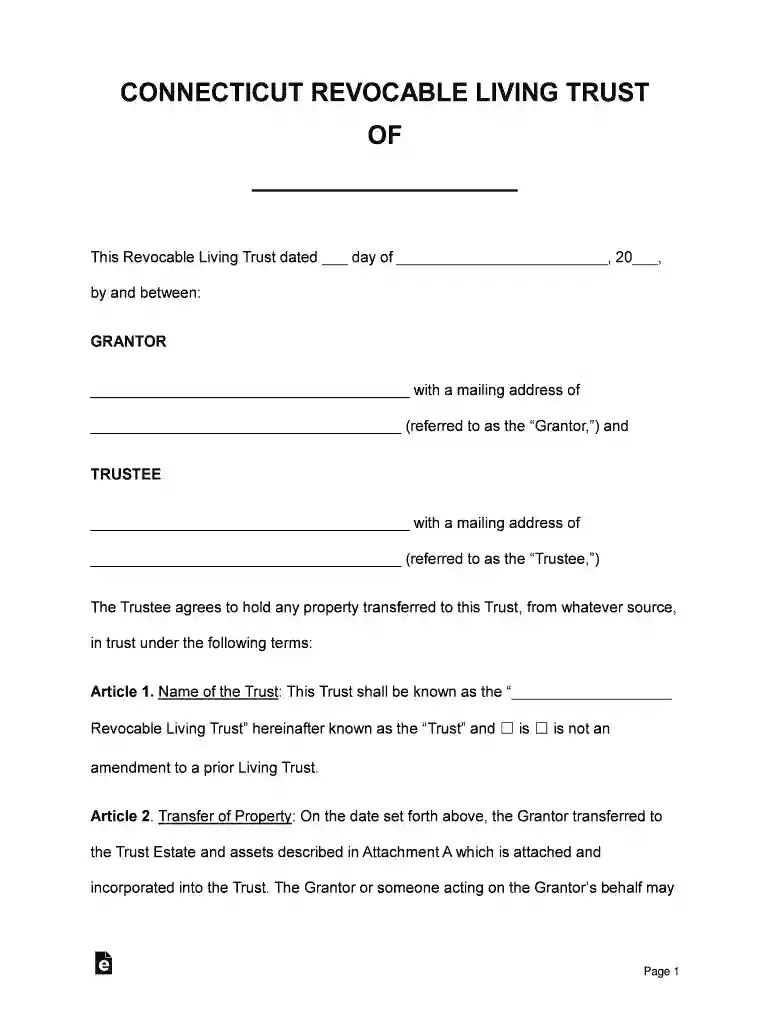
Type text, add images, blackout confidential details, add comments, highlights and more.

Draw your signature, type it, upload its image, or use your mobile device as a signature pad.

Send it via email, link, or fax. You can also download it, export it or print it out.
Revocable and irrevocable trusts serve as essential tools in estate planning, each with distinct characteristics and benefits. A revocable trust allows the grantor to maintain control over the assets and make changes as needed. By contrast, an irrevocable trust involves the transfer of assets out of the grantor's control, which can result in significant tax benefits and asset protection.
Both types of trusts have specific tax implications:
Trust agreements outline the terms by which the trust operates, detailing the responsibilities of trustees and how the assets are to be managed and distributed.
Choosing between a revocable and irrevocable trust depends heavily on individual circumstances and goals.
Trusts are pivotal for succession planning, providing a mechanism for smooth transfers of assets upon death without the potential delay of probate.
Each U.S. state may have variations in how trusts are managed and taxed. It's crucial for individuals to understand the laws governing their state to maximize the benefits of their trust arrangement.
Real-world applications of trusts reveal their utility in diverse situations:
For business owners, trusts can play a significant role in succession planning, ensuring business continuity and tax-efficient transfers.
In conclusion, understanding the nuances between revocable and irrevocable trusts can significantly impact the efficiency of estate planning efforts, ensuring that individual and family goals are optimally met.
We've got more versions of the Revocable Trusts vs Irrevocable Trusts: Whats the form. Select the right Revocable Trusts vs Irrevocable Trusts: Whats the version from the list and start editing it straight away!
| Versions | Form popularity | Fillable & printable |
|---|---|---|
| 2017 | 4.8 Satisfied (46 Votes) |
At DocHub, your data security is our priority. We follow HIPAA, SOC2, GDPR, and other standards, so you can work on your documents with confidence.