






Definition & Meaning
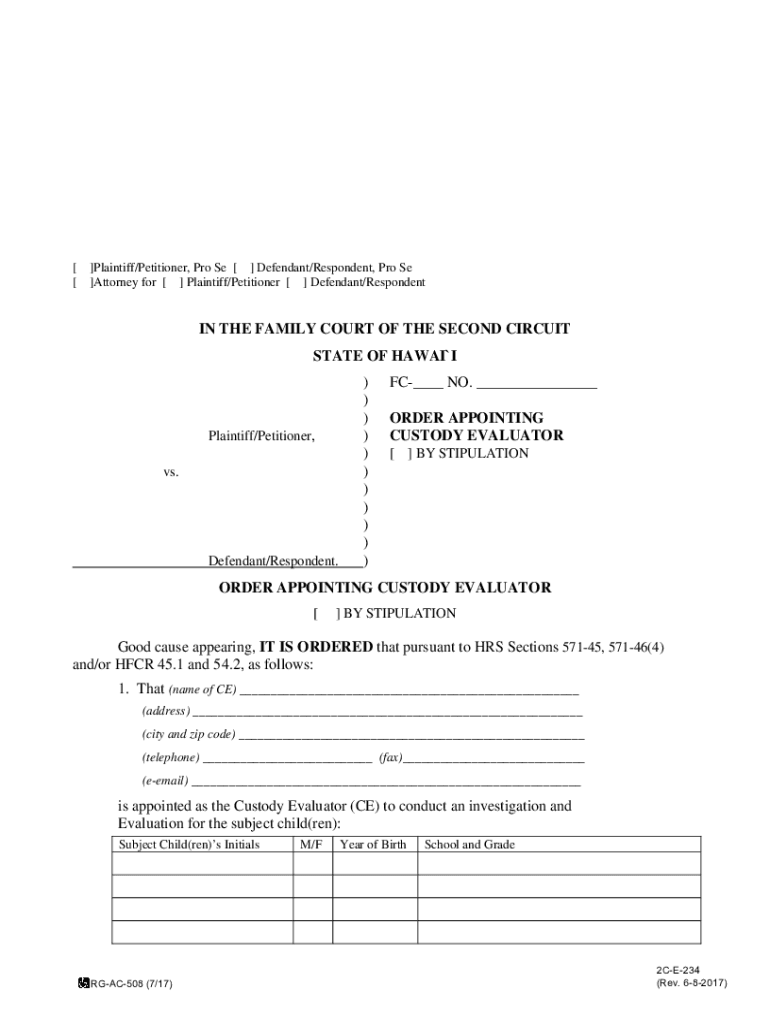
In legal terminology, a defendant is an individual, company, or institution accused or sued in a court of law. The term "defendant" is used predominantly in civil and criminal proceedings. In a civil case, the defendant is the party against whom a lawsuit is filed, responding to the plaintiff's allegations. In criminal cases, the defendant is the person charged with a crime, contesting the prosecution's case.
- In civil courts, the defendant may be required to answer claims involving matters such as contract disputes, property damage, or personal injury.
- In criminal courts, the defendant faces charges brought by the state, and the focus is on establishing guilt beyond a reasonable doubt.
Defendant's Role in Civil vs. Criminal Cases
The responsibilities and implications for defendants differ significantly between civil and criminal cases:
- Civil Cases: Defendants might need to provide an answer or counterclaim and can also engage in discovery to gather evidence as part of their defense.
- Criminal Cases: Defendants have the right to a fair trial, access to legal counsel, and the presumption of innocence until proven guilty.
Understanding these nuances is crucial for comprehending the defendant's position in various legal contexts.
Key Elements of a Defendant's Situation
Identifying the key elements of a defendant's situation helps clarify the landscape of legal proceedings they are involved in:
- Allegations or Charges: The nature of claims or accusations sets the stage for the entire proceeding.
- Legal Representation: Defendants often require legal counsel to navigate complex legal systems and protect their rights.
- Answer or Defense: In civil cases, this involves filing a formal response. In criminal cases, it includes building a defense strategy.
- Discovery Phase: Engaging in the exchange of information pertinent to the case.
- Trial Proceedings: Attending and participating in court hearings, where evidence is reviewed and verdicts are decided.
This framework helps illustrate the structural similarities and differences in cases involving defendants.
Legal Use of the Term "Defendant"
The legal use of "defendant" is central to understanding its application within judicial systems, particularly in the U.S. context which forms the focus here.
- Judicial Systems: The term predominantly governs the party defending against claims.
- Constitutional Protections: The U.S. Constitution ensures several rights for defendants, including the right to a speedy trial and the right to confront witnesses.
- Outcome Influence: The strategies offered by legal systems directly affect proceedings like plea bargains, settlements, or trials.
These points underscore the critical nature of defendants within legal frameworks and court systems.
Who Typically Uses the Term "Defendant"?
Several parties in the legal ecosystem frequently utilize this term:
- Judges and Lawyers: Discuss case proceedings and strategy.
- Plaintiffs: When delineating the party they are contesting against.
- Law Enforcement and Prosecutors: In criminal contexts while preparing case files and legal briefs.
These parties' usage of "defendant" highlights its integral role in legal discourse and practice.


Important Terms Related to Defendants
Understanding a defendant's situation also requires familiarity with associated legal terminology:
- Plaintiff: The party bringing a case against the defendant.
- Prosecution: Legal proceedings initiated by the state against the defendant in criminal matters.
- Bail and Remand: Terms related to a defendant's custody status before trial.
- Acquittal and Conviction: Possible legal outcomes for a defendant.
These terms are crucial for a comprehensive understanding of legal processes surrounding defendants.
State-Specific Rules for Defendants
State laws in the U.S. can affect defendant proceedings, as various states have distinct legal requirements and procedures:
- Jurisdictional Variances: Variations in how cases are filed, discovery processes, or trial lengths.
- State-Specific Protections: Differences in defendant rights or legal counsel access.
Exploring these differences sheds light on the complexity and variability of legal procedures defendants may face across different states.
Examples of Defendant Scenarios
Real-world scenarios provide clarity on how defendants interact with the legal system:
- Contract Dispute: A business is sued over breach of contract, defending itself by providing evidence that it met all contract terms.
- Personal Injury Claim: An individual is accused of negligence leading to injury, defending by disputing the claims or demonstrating due diligence.
- Criminal Charges: A person charged with assault must work with legal counsel to counter the prosecution's case, possibly involving alibi or absence of intent as a defense.
These examples illustrate practical situations and defenses undertaken by defendants in both civil and criminal contexts.
Differences Between Defendants and Plaintiffs
Comparing defendants and plaintiffs helps highlight distinct roles within legal proceedings:
- Initiation of Case: Plaintiffs initiate, while defendants respond or defend.
- Burden of Proof: Plaintiffs in civil cases must prove their claims, whereas in criminal cases it's the prosecution's role, with defendants needing only to create doubt.
- Rights and Obligations: Defendants have specific rights to protections under the law; plaintiffs have responsibilities to substantiate claims convincingly.
Understanding these distinctions reinforces the dynamic between opposing parties in legal disputes.
Differences Between Defendants and Other Legal Terms
Clarifying distinctions between defendant-like terms enhances understanding of roles in legal processes:
- Respondent: Used mainly in non-criminal proceedings, such as family law cases, where the respondent answers the petitioner.
- Appellant: Refers to a party seeking to overturn a lower court's decision on appeal.
- Convicted Individual: Term used post-verdict, separate from the general defendant designation.
In sum, comprehending these differences is integral to navigating various aspects of legal proceedings.