







Definition and Meaning
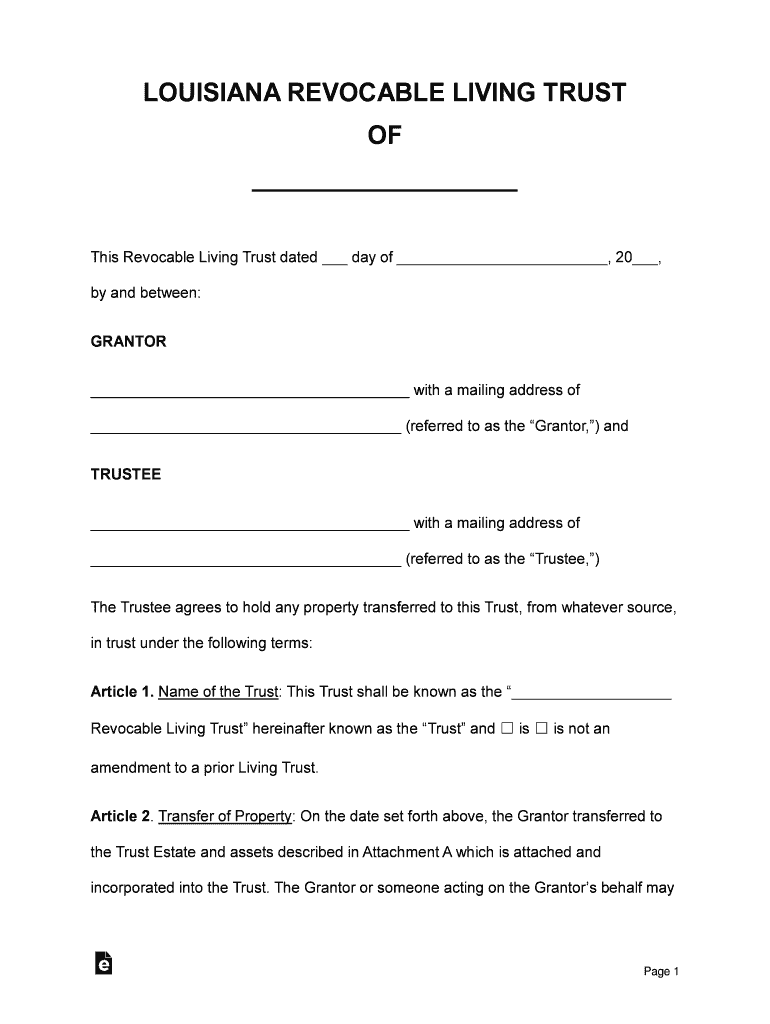
Settling a revocable trust after the death of the trustmaker involves a series of legal and financial steps to ensure the proper distribution and management of the trust's assets. A revocable trust, created by a trustmaker (also known as a grantor or settlor), is a legal entity that holds and manages assets during the trustmaker's lifetime and provides instructions for distribution upon their death. These trusts are often used to avoid probate, manage estate taxes, and provide privacy.
Steps to Complete the Trust Settlement
-
Locate and Review the Trust Document:
- Obtain an official copy of the revocable trust agreement.
- Identify the roles and responsibilities assigned, including the successor trustee.
- Review any specific distribution instructions, special bequests, or conditions outlined in the trust.
-
Notify Beneficiaries and Interested Parties:
- Provide beneficiaries with copies of relevant trust documents.
- Inform other interested parties, such as attorneys or financial advisors, about the trust's activation.
- Establish open lines of communication to address questions or concerns.
-
Inventory Trust Assets:
- Compile a detailed list of all assets held within the trust.
- Verify the title and ownership status to ensure they fall under the trust's operations.
- Assess the current market value of these assets to inform future decisions.
-
Settle Debts and Expenses:
- Use trust funds to pay off any outstanding debts of the trustmaker.
- Address any taxes or estate-related expenses.
- Manage ongoing expenses related to asset maintenance or professional services.
Key Elements of Trust Settlement
-
Successor Trustee's Role:
- The successor trustee assumes management of the trust, making decisions on behalf of the trust and ensuring compliance with its terms.
- Responsibilities include asset management, bookkeeping, and dispute resolution among beneficiaries.
-
Tax Obligations:
- File any necessary federal or state estate tax returns.
- Determine whether income tax returns for the trust or the deceased trustmaker must be submitted.
-
Distribution of Assets:
- Follow the trust’s instructions for distributing assets to beneficiaries.
- Consider any conditions that must be met before distribution, such as age requirements or achievement milestones for beneficiaries.
Legal Use of The Trust Settlement Process
-
Privacy and Efficiency:
- A significant advantage of a revocable trust is its ability to bypass probate, which can be costly and time-consuming. This ensures the trustmakers' estate remains private, as probate records are public.
-
Legal Authority:
- Ensure all actions taken align with the legal stipulations in the trust document and comply with relevant state laws.
- Avoid unauthorized distributions or changes to the trust, which could lead to legal disputes.
Important Terms in Revocable Trust Settlement
- Trustmaker: The person who creates the trust, also known as a grantor or settlor.
- Successor Trustee: The person appointed to manage the trust after the trustmaker's death.
- Beneficiary: An individual or entity designated to receive benefits or assets from the trust.
- Probate: The legal process of validating a will or administering an estate.
State-Specific Rules and Variations
- Different states have varying laws regarding trust settlements, which can affect processes such as notification periods or tax filings.
- Familiarize yourself with state-specific legislation that affects trust administration, as failure to comply may affect the validity of the trust’s execution.
Examples and Scenarios
-
Building a Comprehensive Asset List:
- Example: If a trust includes multiple real estate properties, list each property with its title deeds and tax documents. Assess their rental or selling potential based on current market conditions.
-
Managing Complex Beneficiary Interests:
- Scenario: Suppose a trust mandates conditional distributions, like educational funds for grandchildren. The successor trustee must track academic progress and manage disbursements accordingly.
Software Compatibility and Convenience
- Platforms like TurboTax or QuickBooks can assist in organizing financial and tax details during the trust settlement process.
- Utilize DocHub for managing trust-related documents electronically, facilitating secure storage, and ensuring compliance through its legally binding electronic signature capabilities.
Quick Facts
- Avoids Probate: Ensures a quick transition of assets without court involvement.
- Flexible Use: Allows for changes during the trustmaker’s lifetime.
- Privacy Maintained: Keeps estate matters out of the public record, unlike wills.
This comprehensive review of settling a revocable trust after the trustmaker dies offers an in-depth analysis and actionable steps for proper execution. It emphasizes important legal and logistical considerations tailored to U.S. contexts and provides readers with clear, structured guidance.




