






Definition & Meaning
The "A Landlord's Guide to Summary Process (Eviction) - New" serves as a comprehensive resource for landlords navigating the eviction process. This guide outlines the steps and criteria involved in legally removing a tenant from a rental property, focusing on compliance with state laws and legal procedures to ensure a smooth transition. It is an essential document to reduce risks associated with summary process claims, helping landlords manage tenant evictions according to legal standards.
Key Concepts
- Summary Process: A legal procedure that allows a landlord to reclaim possession of their property through a court-ordered eviction.
- Eviction: The act of legally removing a tenant from a rental property following non-compliance or breach of the rental agreement.
How to Use the Guide
Understanding how to use this guide is crucial for effectively managing eviction processes. It serves as both an educational tool and a practical manual for landlords.
Step-by-Step Utilization
- Identify the Need for Eviction: Determine if a tenant has violated the lease terms, such as non-payment of rent or property damage.
- Consult Legal Requirements: Familiarize yourself with state-specific laws concerning eviction to avoid legal pitfalls.
- Follow Proper Procedures: Use this guide to ensure the correct legal steps are taken, from issuing notices to filing court documents.
- Document Everything: Maintain detailed records of all communications and notices sent to the tenant.
Practical Applications
- Streamline eviction processes by adhering to the structured steps outlined in the guide.
- Minimize legal disputes by understanding tenant rights and landlord obligations.
Steps to Complete the Process
Completing the summary process is crucial for landlords intending to regain control of their properties. This guide provides a detailed roadmap.
Comprehensive Steps
- Issue a Notice to Quit: Formally notify the tenant of the lease violation and the intention to seek eviction.
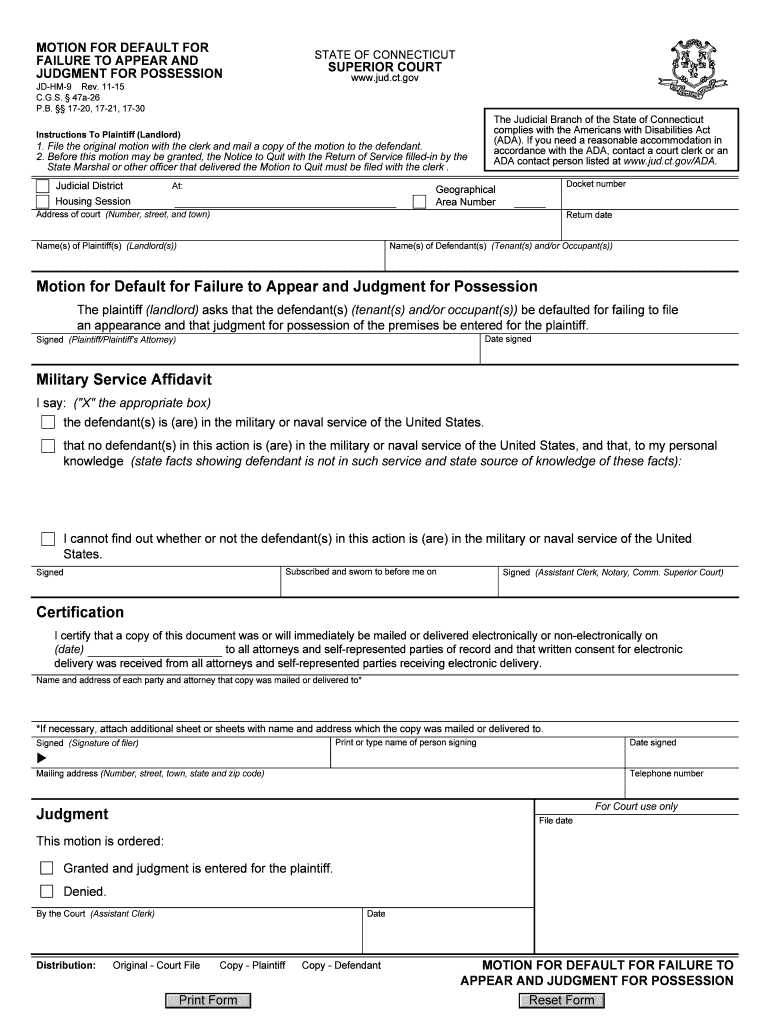
- File a Summary Process Complaint: Initiate legal proceedings in the appropriate court.
- Court Hearing: Attend the hearing where a judge will evaluate the case.
- Obtain a Judgment: If successful, secure a court order for eviction.
- Enforce the Judgment: Coordinate with local law enforcement if necessary to enforce the eviction.
Variations
- The timeline for each step may vary based on court schedules and tenant responses.
- Certain states have additional requirements, such as mandatory mediation sessions.
Legal Use of the Guide
This guide strictly adheres to legal standards, providing landlords with the necessary knowledge to ensure compliance with the law.
Legal Framework
- Court Approval: All eviction actions must be approved by a court to become legally binding.
- Tenant Rights: Must be respected throughout the process; tenants have the right to contest evictions in court.
Risk Mitigation
- Reduce the risk of unlawful evictions by following the legal guidelines provided.
- Protect against potential counterclaims from tenants by documenting the eviction process thoroughly.
State-Specific Rules
Eviction laws vary significantly across the United States. This guide includes state-specific information where applicable.
Key Differences
- Notice Periods: Different states may require varied notice periods before an eviction can proceed.
- Court Procedures: The type and scope of court hearings can differ, affecting the length and outcome of the process.
Examples
- Connecticut: Requires a "Reasonable Housing Standard" be met before eviction.
- California: Demands specific just causes for eviction due to tenant protections.
Key Elements of the Summary Process
Understanding the critical elements of the summary process is vital for compliance and smooth execution.
Main Components
- Notice to Quit: A vital starting point that informs tenants of their lease breaches.
- Court Date: The scheduled hearing where both parties present their cases.
- Final Judgment: Issued by the court, this decision determines the eviction's legality.
Documentation
- Ensure all forms and notices comply with local housing regulations to avoid delays or dismissals.
Required Documents for Eviction
Proper documentation is essential for each step of the eviction process. This guide details all necessary paperwork.
Document List
- Lease Agreement: The original contract outlining the terms and conditions breached.
- Notice to Quit Form: Official notice served to the tenant.
- Proof of Rent Non-Payment or Lease Violation: Supporting documents such as payment records or photographs.
Submission Tips
- Submitted documents should be clear, comprehensive, and filed according to local court rules to ensure acceptance.
Examples of Using the Guide
Real-world examples illustrate how landlords can effectively use this guide for eviction processes.
Practical Scenarios
- Rent Non-Payment: A landlord follows the guide to regain possession after repeated missed rent payments.
- Lease Violations: A guide-assisted eviction resolves unauthorized subletting issues.
Case Studies
- Case Study 1: Landlord successfully evicts a tenant who installed unauthorized modifications, using the guide to ensure compliance.
- Case Study 2: Resolving disputes with tenants trying to sublet the property illegally, highlighting the guide's utility.