






Definition & Meaning
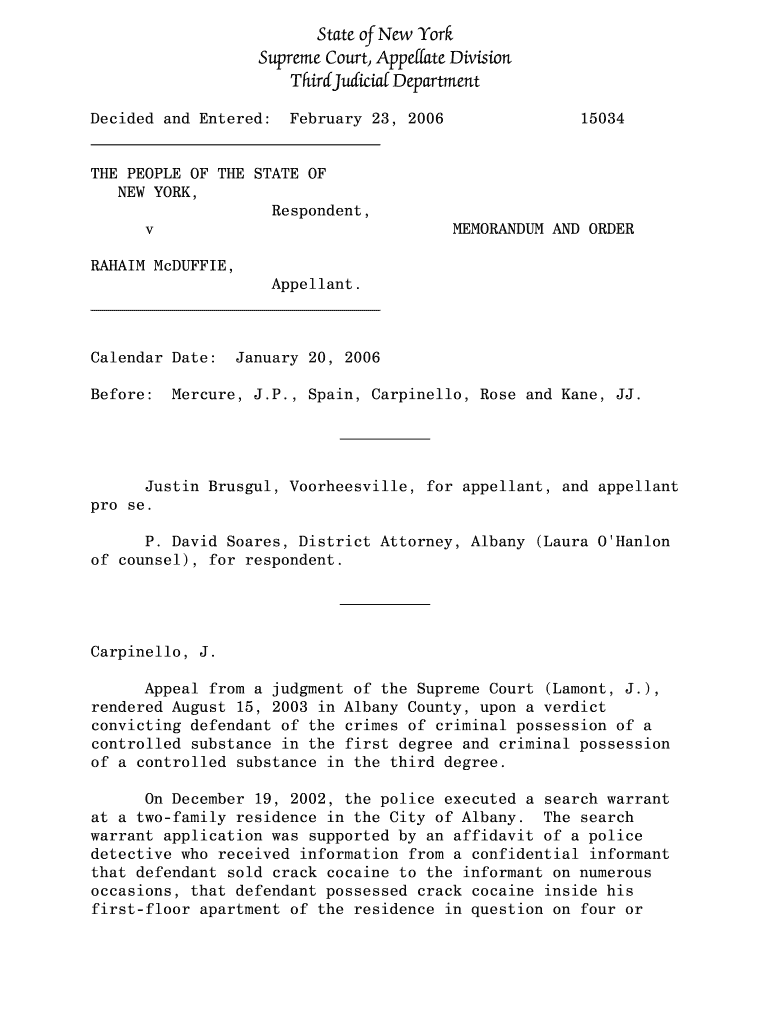
The phrase "Justin Brusgul, Voorheesville, for appellant, and appellant - decisions courts state ny" seems to refer to a legal context involving an individual named Justin Brusgul from Voorheesville, New York, acting as or representing an appellant in appellate decisions. This typically involves appealing a legal decision in the state courts of New York. An appellant is a party who makes an appeal, seeking a different outcome in a higher court, and this process usually challenges a decision made by a lower court.
Key Elements of the Appeal Process
- Appellant: The individual or entity filing the appeal, contesting a decision made by a lower court.
- Appellate Court: A higher court reviewing the decision of a lower court. In this context, it is likely a New York state appellate court.
- Legal Representation: In many cases, appellants are represented by attorneys, such as Justin Brusgul, who would argue on behalf of the appellant.
- Grounds for Appeal: Appeals must typically assert that a legal error occurred during the trial that affected the outcome.
Steps to Complete the Appeal
- Filing a Notice of Appeal: The appellant must formally notify the court and the opposing party of the intent to appeal.
- Preparation of the Appellate Record: This includes the trial transcript and relevant documents submitted during the trial.
- Submitting Briefs: The appellant and appellee (the party opposing the appeal) submit written arguments to the appellate court.
- Oral Arguments: Both parties may present their arguments in court verbally.
- Awaiting Decision: After reviewing the materials and arguments, the appellate court issues its decision.
Who Typically Uses This Form
- Attorneys: Legal professionals like Justin Brusgul often handle appellate cases on behalf of their clients.
- Individuals and Corporations: Parties dissatisfied with a trial court decision, seeking a reevaluation by a higher court.
- Legal Institutions: Courts and legal databases track and document these appeals as part of the public record.
Legal Use of the Appeal in New York
In New York, appealing a case involves specific procedural rules that must be followed strictly. Failure to adhere to these can result in the dismissal of the appeal. In certain cases, appeals can serve as a legal strategy to challenge perceived errors in trial proceedings, such as improper jury instructions or admission of evidence.
State-Specific Rules for Appeals in New York
- Filing Deadlines: There are strict timelines for submitting a notice of appeal, typically within 30 days of the decision.
- Court Hierarchy: Appeals may start in lower appellate divisions before reaching the Court of Appeals, New York’s highest court.
- Standard of Review: The appellate court will review legal questions rather than re-evaluate factual determinations from the trial court.
Important Terms Related to the Appeal Process
- Brief: A written argument submitted by each party outlining their points and legal reasons.
- Respondent/Appellee: The party opposing the appeal, seeking to uphold the lower court’s decision.
- Amicus Curiae: "Friend of the court" briefs that may be submitted by non-parties to provide additional perspectives.
Examples of Using Appeals in New York Courts
One common scenario involves a defendant convicted of a crime seeking to appeal the conviction based on allegations of trial errors. For example, if a judge improperly admitted evidence, this could form the basis of an appeal asserting that such an error prejudiced the defendant's right to a fair trial. Another example involves civil cases where parties appeal due to what they perceive as judicial misinterpretations of law or procedural mishandlings that impacted the judgment.
Filing Deadlines and Important Dates
- Notice of Appeal Deadline: In most New York appellate cases, this must be filed within 30 days of receiving the challenged order or judgment.
- Brief Submission: Deadlines for submitting briefs vary but generally follow a strict schedule set by the court.
- Oral Argument Schedule: Determined by the court and communicated to both parties once briefs are filed and reviewed.
By understanding these aspects of the appellate process involving "Justin Brusgul, Voorheesville, for appellant, and appellant - decisions courts state ny," individuals and legal practitioners can better navigate the complexities of appealing a court decision in New York State.