Definition and Meaning
The term "Child Maltreatment - Minnesota State Legislature - leg state mn" primarily refers to the legislative measures, regulations, and guidelines enacted by the Minnesota State Legislature concerning issues of child maltreatment. Child maltreatment is defined as any act or series of acts of commission or omission by a parent or caregiver that results in harm, potential for harm, or threat of harm to a child. In Minnesota, this encompasses a range of abuses including physical, sexual, and emotional abuse, as well as neglect.
Types of Child Maltreatment
- Neglect: The most commonly reported form of maltreatment in Minnesota, characterized by the failure to provide for a child's basic needs.
- Physical Abuse: Involves physical harm or injury to the child. Minnesota hospitals frequently treat such cases.
- Emotional Abuse: Acts that harm a child's self-worth or emotional well-being, including verbal abuse.
- Sexual Abuse: Any sexual activity with a child, including fondling, rape, and indecent exposure.
How to Use the Child Maltreatment Resources
Individuals dealing with instances of child maltreatment or those working in related fields should be familiar with the statutory framework provided by the Minnesota State Legislature. Utilizing these resources involves understanding the guidelines for reporting suspected cases, knowing the responsibilities of mandated reporters, and navigating the child protective services (CPS) systems in Minnesota.
Steps for Using Resources
- Identify Reporting Procedures: Familiarize yourself with how and where to report suspected child maltreatment in Minnesota.
- Understand Mandated Reporter Obligations: Know who is legally required to report and under what circumstances.
- Access Support Services: Utilize available state and local support services for victims and families.
Steps to Complete the Form
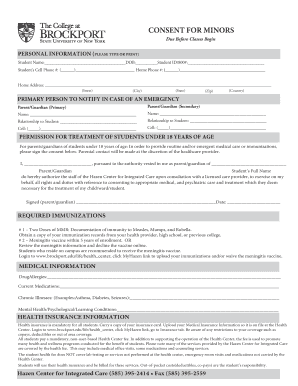
For professionals involved in reporting child maltreatment or needing to comply with legislative requirements, completing related forms accurately is crucial. Here is a breakdown of the necessary steps:
- Gather Information: Collect all relevant details about the child's situation, including evidence of maltreatment.
- Fill Out Required Sections: Complete each section of the form with accuracy, ensuring all mandatory fields are filled.
- Submit on Time: Ensure the form is submitted within the stipulated timeframe to avoid penalties.
Example Steps
- Input the child’s demographic information.
- Describe the suspected or confirmed maltreatment.
- Provide any additional documentation as evidence.
Important Terms Related to Child Maltreatment
Understanding key legislative and procedural terms is essential for anyone working with child maltreatment issues:
- Mandated Reporter: Individuals who are required by law to report suspected child maltreatment, such as teachers and healthcare workers.
- CPS (Child Protective Services): A government agency tasked with responding to reports of child abuse and neglect.
- Substantiated Report: A report that has been verified by authorities as fitting the criteria for child maltreatment.
Legal Use and Compliance
Working within the legal parameters set by the Minnesota State Legislature ensures that responses to child maltreatment are effective and lawful.
Ensuring Compliance
- Understand State Laws: Stay informed of any legislative changes affecting child maltreatment.
- Adhere to Confidentiality Standards: Protect the privacy of the child and family during reporting and investigation.
Key Elements of Child Maltreatment Legislation
Minnesota's legislative framework includes several critical components designed to safeguard children:
- Protective Measures: Statutes focusing on immediate and long-term protection of affected children.
- Preventative Strategies: Programs aimed at preventing maltreatment before it occurs.
- Intervention Protocols: Guidelines on how and when to intervene in suspected cases.
State-Specific Rules
The Minnesota State Legislature has particular rules and norms that differ from other states, impacting how cases of child maltreatment are handled:
- Unique Reporting Channels: Specific state departments and local agencies receive and process reports.
- Differing Definitions: Slight variations in how maltreatment is categorized compared to other states.
Examples of Using the Resources
Practical applications of the child maltreatment resources in Minnesota can be illustrated through various scenarios:
- Case Investigation: A social worker uses legislative guidelines to assess a reported case of neglect.
- Community Awareness Programs: Agencies use state-produced materials to educate the public about recognizing and preventing child maltreatment.
By understanding and utilizing these diverse aspects of Minnesota's child maltreatment resources, professionals and citizens alike can contribute effectively to the safety and well-being of children.