






Understanding the Trustee Designation in New York Court Decisions
In New York, the role of a trustee involves significant responsibilities, particularly in court rulings involving estate and financial management. Trustees are often appointed to manage assets or oversee the distribution of a deceased person's estate, or in financial reorganization cases. Understanding the precise function and obligations of a trustee in the New York court system is critical for anyone involved in such proceedings.
Responsibilities of a Trustee
Trustees are expected to act in the best interests of the beneficiaries, managing assets prudently and transparently. This includes:
- Administering trust assets according to the terms laid out in the trust document or court order.
- Filing necessary tax returns and paying appropriate taxes.
- Making informed investment decisions that align with the trust’s objectives.
- Distributing assets to beneficiaries as specified in the trust agreement or court directives.
How to Use Trustee Decisions in Court Cases in NY
Court decisions regarding trustees can guide trustees and beneficiaries in understanding compliance requirements and outlining their rights and responsibilities. These decisions often set precedents for:
- Validating trustee actions or decisions.
- Resolving disputes between trustees and beneficiaries.
- Interpreting provisions in the trust document.
How to Obtain Trustee Court Decisions in New York
Accessing court decisions related to trustees in New York can be achieved through:
- Visiting state court websites where recent decisions are published.
- Utilizing legal databases such as Westlaw or LexisNexis for comprehensive research.
- Consulting with a legal professional who can provide insights and summaries of relevant cases.
Completing Trust-related Forms and Documents
When dealing with trustee-related court documents in New York, understanding the essential steps to complete them correctly is crucial for legal compliance and effective trust administration.
Steps to Completing Trustee Documents
-
Review Court Orders: Begin by thoroughly understanding any court orders related to the trust, as they dictate specific tasks and obligations.
-
Gather Necessary Information: Collect all relevant trust documents, beneficiary information, and financial data.
-
Fill Out Required Information: Accurately complete each section of the court document, ensuring all entries comply with court directives.
-
Seek Legal Counsel: Consult with an attorney to verify the document's accuracy and compliance with applicable laws.
-
File with Appropriate Court: Submit the completed forms to the court in a timely manner, following any submission guidelines provided.
Importance of Trustee Court Decisions
Trustee court decisions in New York are foundational for ensuring that trust administration aligns with legal standards and the trustee's fiduciary duties.
Why Trustee Court Decisions Matter
- Legal Compliance: Decisions provide clarity on legal requirements and responsibilities.
- Precedential Value: They serve as precedents that can influence future trust-related cases.
- Conflict Resolution: They offer guidance on resolving disputes between parties involved in trust arrangements.
Key Terms Related to Trustee Decisions in NY
Understanding specific legal terminology is essential for navigating trustee-related court decisions:
- Fiduciary Duty: The obligation of a trustee to act in the best interest of the beneficiaries.
- Beneficiary: An individual or entity entitled to receive benefits from a trust.
- Trust Instrument: A legal document that establishes the trust and outlines its terms.
- Settlement: The formal conclusion of trust-related litigation, often involving a distribution agreement.
Legal Application of Trustee Decisions
Trustee court decisions are integral in shaping legal interpretations and practices related to trust administration.
Legal Use Cases
- Trust Administration: Guides trustees in effectively managing trust assets and fulfilling their duties.
- Litigation References: Used by attorneys to support claims or defenses in trust-related litigation.
- Legislative Framework: Informs lawmakers and regulators of prevalent issues and potential reforms.
State-Specific Rules for Trustees in NY
New York state has unique statutes and regulations governing trustees and their responsibilities.
State-Specific Considerations
- Unique Statutes: New York has specific laws, such as the New York Estates, Powers, and Trusts Law, which outline trustee powers and duties.
- Court Procedures: Understanding the procedural rules of New York courts is crucial for legal compliance and effective trust management.
- Case Law: Familiarity with New York case law is essential for understanding how courts interpret and apply trust-related laws.
Relevant Examples of Trustee Decisions
Examining past court decisions in New York provides valuable insights into the application of trust law.
Case Studies
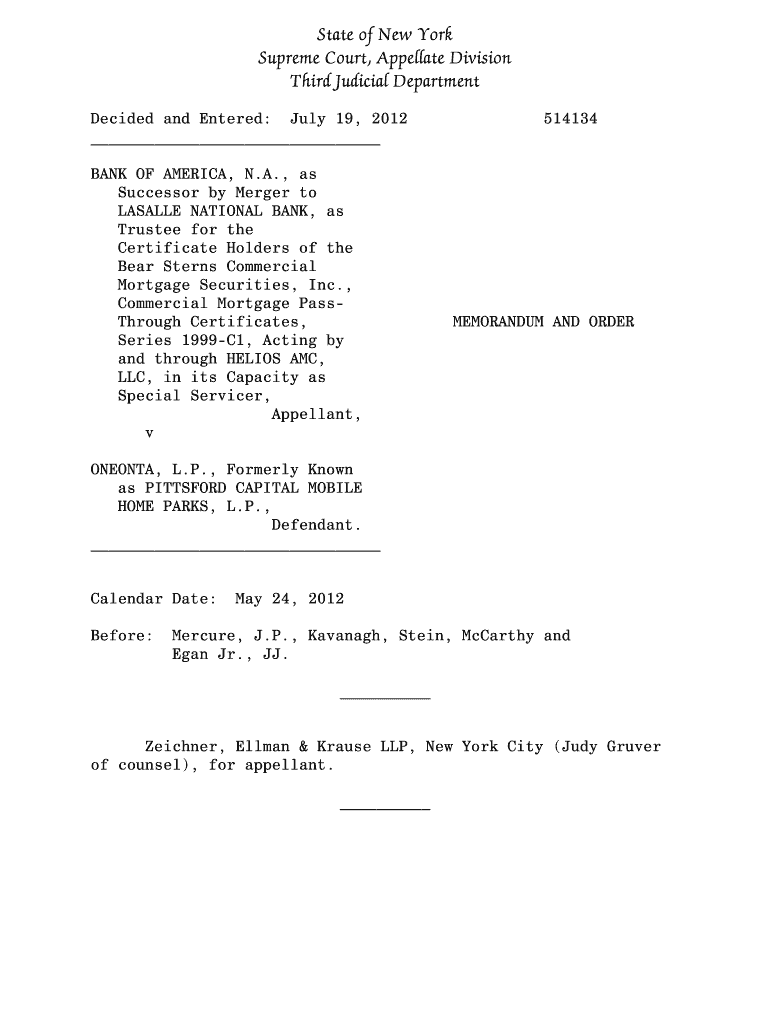
- Foreclosure and Receivership: Cases involving trustees overseeing property in foreclosure or receivership scenarios, such as those involving major financial institutions.
- Estate Litigation: Disputes over trustee decisions in managing and distributing estate assets, providing a framework for future cases.
- Investment Decisions: Court decisions assessing the prudence of trustee investment strategies, impacting fiduciary obligations.
Utilizing these comprehensive insights into trustee designations, responsibilities, and court decisions in New York can enhance understanding and execution of duties for those involved in trust administration.